

If you only take one thing from this guide, let it be this. Retinol works best when you introduce it slowly, pair it with a proper moisturiser and never leave the house the next morning without SPF. Everything else is detail, but that detail is where most people go wrong, so let us get into it properly.
Retinol is the ingredient every skincare conversation eventually circles back to and unlike most trends this one has the research behind it. Whether you are picking up your first tube or you have been using it for years and are ready to go further, there is a version of retinol that suits your skin and where it is at right now.
What Is Retinol and Why Does Skin Respond to It So Well
Retinol is a form of vitamin A that speeds up skin cell turnover. In practice, that means fewer fine lines, brighter tone, smoother texture and less visible pigmentation over time, because it encourages fresher cells to reach the surface faster.
It is also one of the few ingredients proven to support collagen production, which is why it comes up so often in conversations about ageing skin. That said, retinol is not only for mature skin. It is just as useful for skin that is prone to breakouts and for anyone dealing with an uneven tone.
It is worth knowing the difference between the retinol and retinal (also called retinaldehyde) you will see across our edit. Retinal converts to retinoic acid in fewer steps than retinol, which generally makes it faster acting. Both are effective, they simply work at a different pace.
What Not to Mix With Retinol
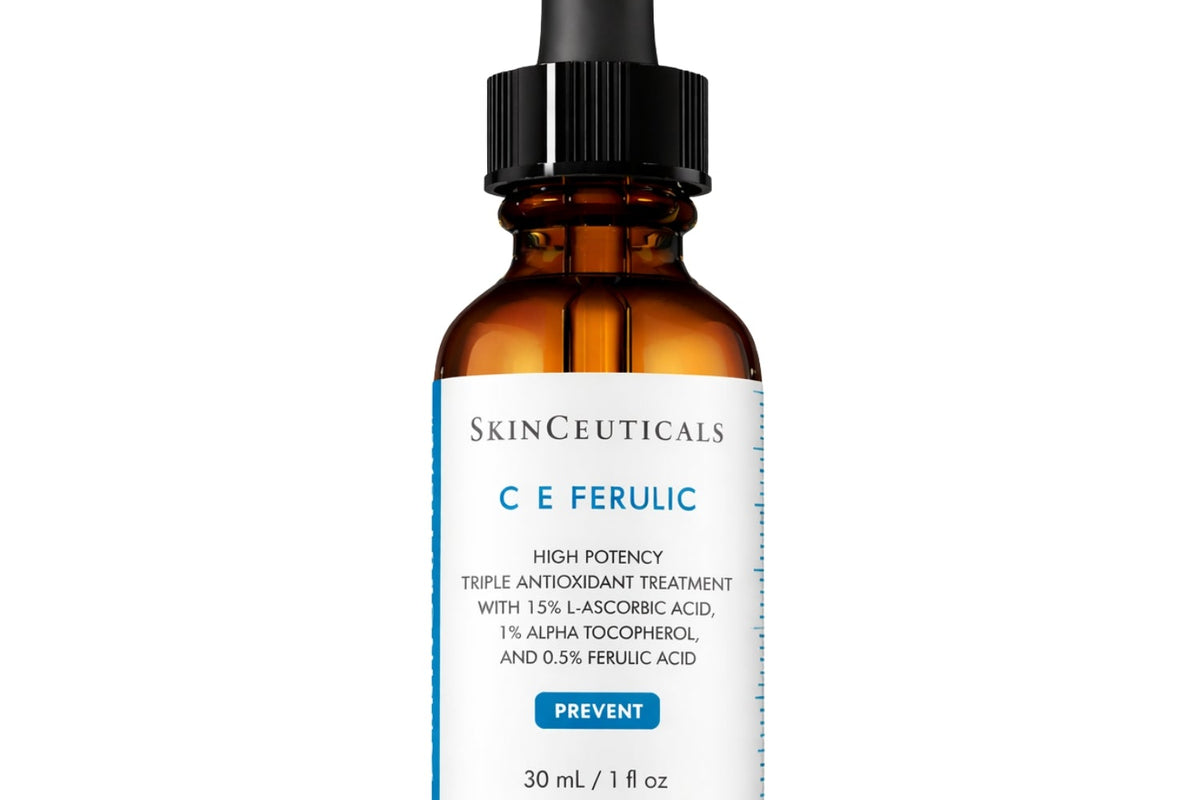
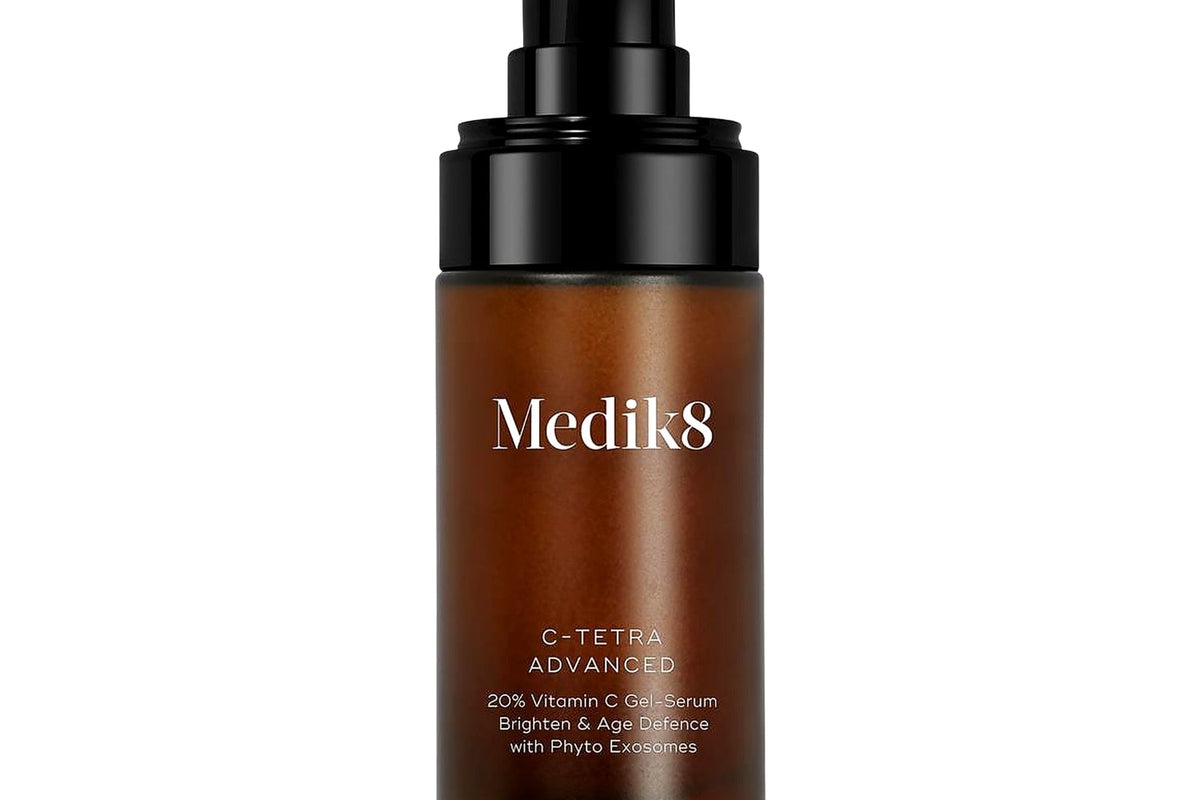
This is the part most guides skip and it matters. Retinol does not play well with direct acids like glycolic or salicylic, with vitamin C in its pure form or with benzoyl peroxide, since layering these together tends to overwhelm the skin barrier rather than improve results.
If your routine already includes an exfoliating acid or a vitamin C serum, keep them for the morning and save your retinol for night, or alternate the nights you use each one until your skin tells you it can handle more.

Why Autumn and Winter Are the Moment to Start
Retinol increases how sensitive your skin is to sunlight, which is why most experts suggest starting in the cooler months when UV exposure is naturally lower. That does not mean retinol is off limits for the rest of the year.
As long as you are wearing an SPF that protects against a broad range of UV rays every single morning, which you should be doing regardless, retinol can stay in your routine throughout the year.
How to Start Using Retinol if You Are New to It
Less is genuinely more here. The goal is to build tolerance gradually so your skin barrier stays intact and irritation stays minimal.
- Patch test on a small area first, particularly if your skin tends to react easily.
- Start with a retinol formulated at a lower strength.
- Use it once or twice a week to begin with, then build up frequency slowly.
- Follow with a moisturiser to keep the skin barrier supported.
- Wear SPF every morning without exception.
Retinol Picks to Start With
Looking to begin your retinol journey without overwhelming your skin. These two are our most reached for starting points.
Medik8 Crystal Retinal 1: A gentle entry point that still delivers visible results without asking too much of sensitive skin. Hydrating, brightening and genuinely comfortable to build a habit around.
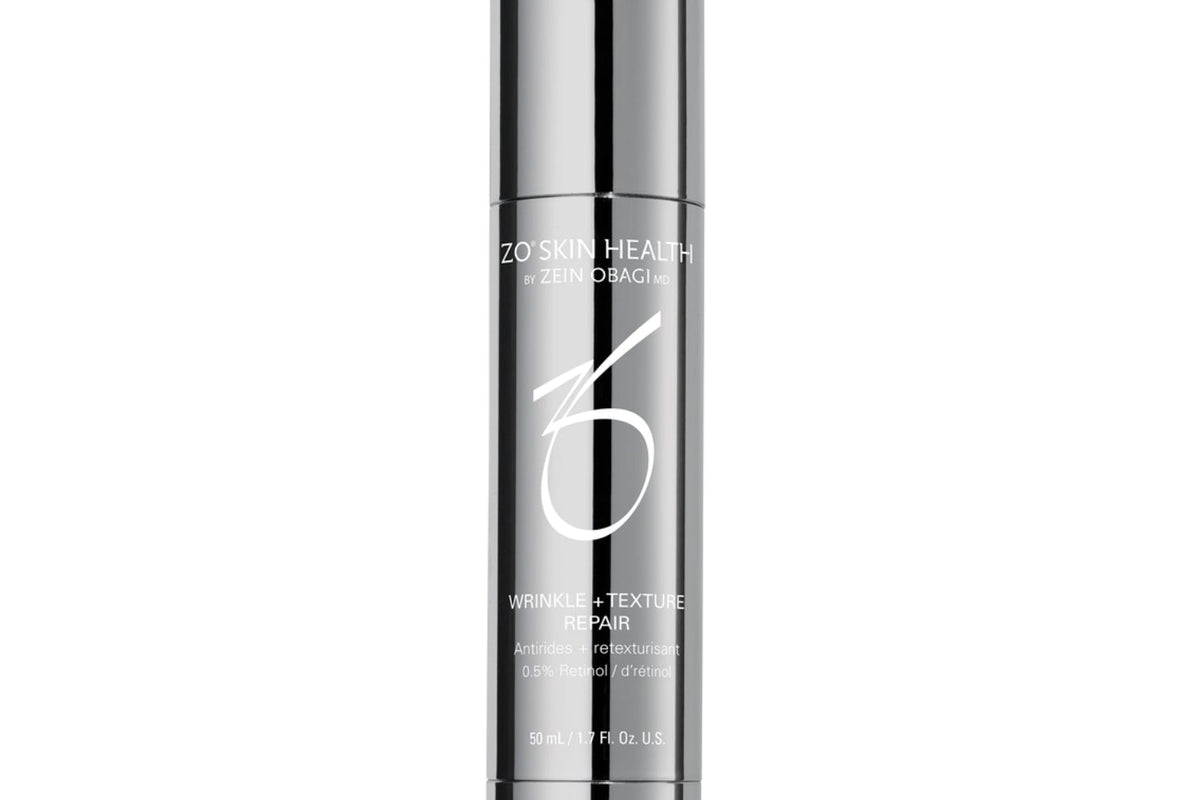
Obagi Retinol 0.5 Cream: A step up for anyone who has built some tolerance already. It works on fine lines, brightens overall tone and refines texture without tipping into irritation.
Ready to Go Further With Retinol?
Once your skin has adjusted, a stronger formula or a next generation retinoid can deliver results more quickly. This is where you move from maintenance into visible, measurable change.
Advanced Retinol Picks
Medik8 Crystal Retinal 24: Among the more potent formulas in our edit, this one is built for skin that has already done the groundwork. Expect support for fine lines, a firmer look and a genuine lift in radiance.
Murad Retinal ReSculpt Overnight Treatment: A next generation retinoid treatment aimed at loss of firmness and fine lines, formulated for those who want to work on facial contours and elasticity specifically.
Retinol for Specific Skin Concerns
Retinol is not only an anti ageing ingredient. Depending on what you are trying to address, one of these may suit you better than a general formula.
- Skin prone to breakouts: asap Super A+ Serum
- Uneven skin tone: Elementré 0.5 Retinol Complex
- Fine lines and visible signs of ageing: SkinCeuticals Retinol 0.3
Common Retinol Myths, Sorted
Myth: You cannot use retinol in summer.
Fact: You can, provided SPF is part of your daily routine regardless of season.
Myth: Retinol thins your skin over time.
Fact: The opposite is true. It actually thickens the dermis, the deeper layer of skin, which improves overall texture and resilience long term.
Myth: Peeling means retinol is damaging your skin.
Fact: Peeling usually signals that your skin is adjusting to a new active. A hydrating moisturiser will help manage it while your barrier catches up.
Getting the Most Out of Your Retinol
- Apply it at night, never in the morning.
- Use an amount about the size of a pea. More is not more effective, it just increases irritation.
- Follow with a hydrating moisturiser to offset any dryness.
- Wear SPF every single morning, no exceptions.
The Takeaway : How to Use Retinol?
Retinol rewards consistency far more than intensity. Start slowly, build up gradually and choose the strength that matches where your skin is right now rather than where you want it to be in a month. Done properly, it is one of the most reliable ingredients you can add to a routine, whichever stage you are starting from.
Shop the full retinol edit at SkinShop.ie.
How do I start using retinol as a beginner?
How to use retinol: Begin with a retinol formulated at a lower strength, apply it once or twice a week at night and follow with a moisturiser. Increase frequency gradually as your skin builds tolerance and always wear SPF the next morning.
Can I use retinol every night straight away?
It is best not to. Building up frequency slowly gives your skin barrier time to adjust, which lowers the chance of redness, dryness or peeling.
What should I avoid combining with retinol?
Avoid layering retinol with direct acids such as glycolic or salicylic, with pure vitamin C or with benzoyl peroxide in the same routine, since combining actives like this tends to overwhelm the skin rather than improve it.
Is retinol safe to use if I have sensitive skin?
Yes, provided you start with a gentler formula and introduce it gradually. Patch testing first is a good habit if your skin reacts easily to new products.
How long does it take to see results from retinol?
Most people notice a difference in texture and tone within several weeks of consistent use, with more visible changes to fine lines and pigmentation building over a few months.

