Filters
Sort by

Exfoliators & Scrubs FAQs

What is the difference between a physical and a chemical exfoliant?

How the dead skin comes off, and it is the only real difference between the two shelves here.

  • Physical exfoliants lift it off with texture, so scrubs, powders and polishes. You feel them working and the result is immediate. Dermalogica Daily Microfoliant and ZO Exfoliating Polish are the two most people know
  • Chemical exfoliants dissolve the bonds holding it on, using acids or enzymes. Nothing to feel and nothing to rub, and they reach into pores in a way a scrub cannot. Epionce Lytic Tx and ZO Exfoliation Accelerator sit here

Neither is better. Physical suits people who want to feel something happening and works well on rough or flaky patches. Chemical suits congestion, pigmentation and texture, and is usually the gentler choice over time.

How often should I exfoliate?

Less often than most people do. Two or three times a week is plenty for most skin, and once a week is enough if you are also using a retinoid.

Some products are built for daily use and say so on the pack, and a few of the gentler powders genuinely are fine every morning. Even then, daily in the name is permission rather than instruction. Start at twice a week and work up only if your skin is clearly happy.

The mistake is not the product, it is stacking. An acid toner, an exfoliating cleanser and a weekly scrub add up to far more than any of them alone.

Which exfoliant should I choose?

Pick by what your skin is doing rather than by how satisfying it feels.

  • Sensitive or dry: Dermalogica Daily Milkfoliant or Caudalie Gentle Buffing Cream
  • Normal skin wanting an everyday option: Dermalogica Daily Microfoliant or iS Clinical Cleansing Complex Polish
  • Oily and congested: Dermalogica Daily Superfoliant or ZO Dual Action Scrub
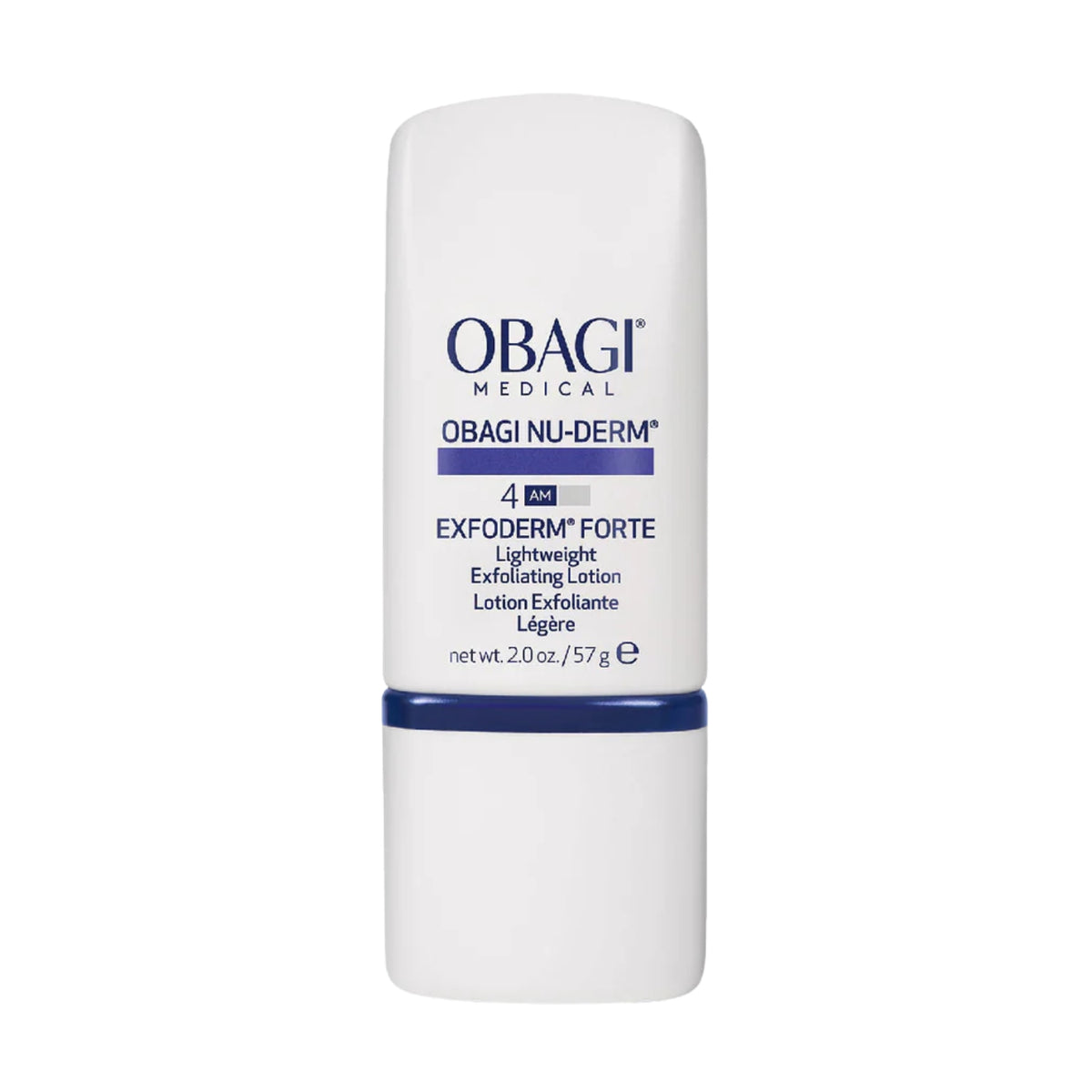
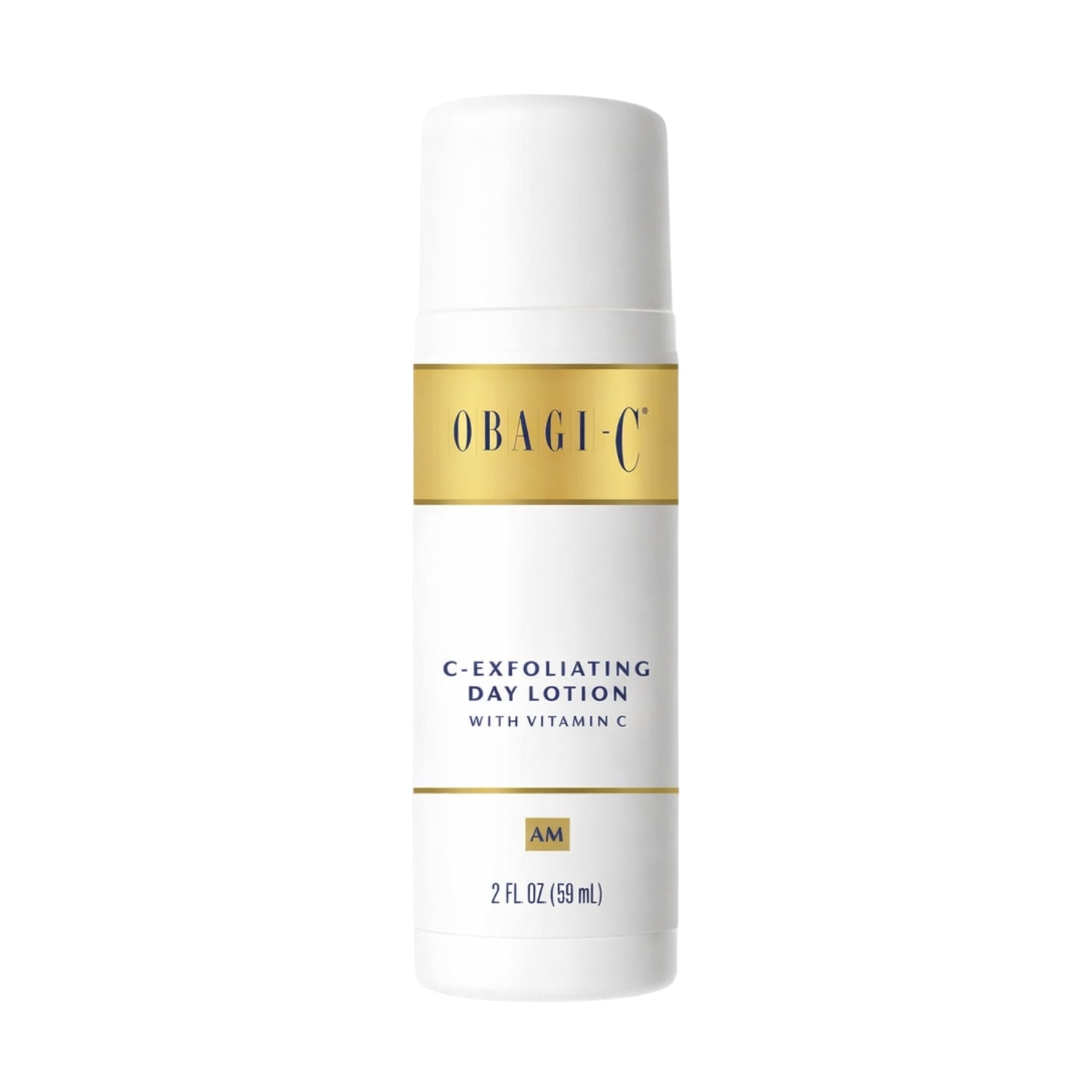
  • Rough texture and dullness: ZO Exfoliation Accelerator or Obagi Exfoderm
  • Breakouts: Epionce Lytic Tx, or Lite Lytic Tx if your skin is also sensitive
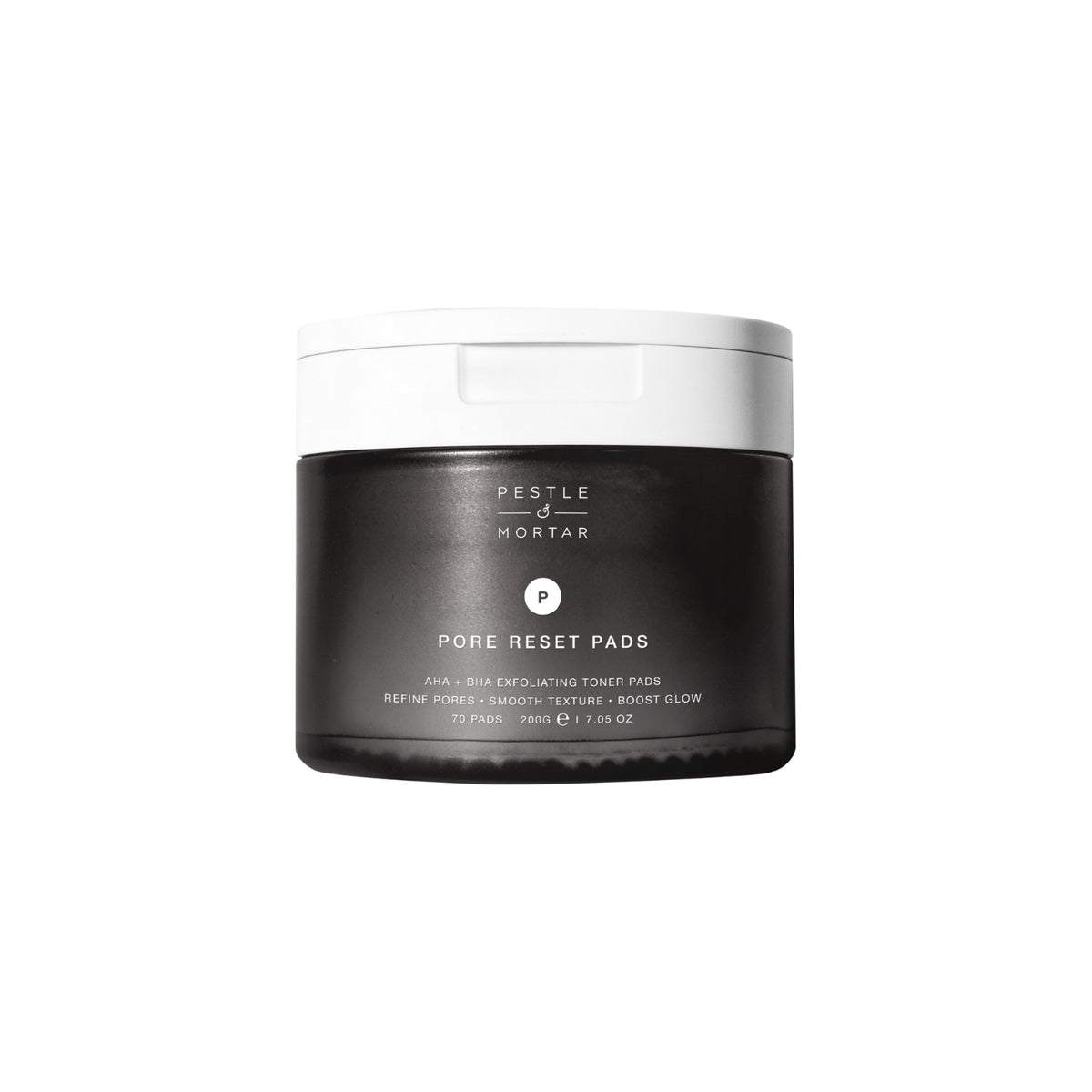
  • Wanting a pad you do not have to think about: Pestle & Mortar Pore Reset Pads or Skinbetter Science AlphaRet Exfoliating Peel Pads

One is enough. If you already have an exfoliating toner or cleanser in your routine, you do not need anything from this page as well.

Can I exfoliate if I use retinol?

Yes, but not on the same night and not as often as you would without it. A retinoid is already speeding up how quickly skin turns over, so exfoliating on top of it is doing the same job twice.

  • Keep exfoliating to the mornings, or to a night you are not using your retinoid
  • Once a week is usually enough alongside a retinoid, twice at most
  • Skip it entirely for the first month or two of starting a retinoid, until you know how your skin is coping

Wear sun protection either way. Both exfoliation and retinoids leave skin more vulnerable to sun damage.

Are scrubs bad for your skin?

No, and the reputation comes from a real problem that has largely been fixed. The scrubs people were warned off used coarse, jagged particles that could scratch. Modern formulations use rounded particles, rice powder, enzymes or dissolving granules, which is a different thing entirely.

What still causes damage is pressure and frequency. Scrubbing hard, for a long time, several times a week will upset any skin regardless of what is in the tube.

Use light pressure, keep it brief, let the product do the work and stop if skin feels hot or tight afterwards.

How do I know if I have over-exfoliated?

It rarely looks like irritation at first. It usually looks like skin that seems to be going well and then suddenly is not.

  • A tight feeling that does not go away after moisturising
  • A shine that is not oil, more like skin looks polished and thin
  • Stinging from products that never used to sting
  • Redness, flushing or small breakouts appearing out of nowhere

The fix is to stop. Drop every exfoliant and every active, go back to a gentle cleanser, a plain moisturiser and sun protection, and give it two to four weeks. It will settle. Then reintroduce one thing at a time rather than everything at once.

If it does not settle, or the redness is persistent rather than occasional, that is worth a conversation with a GP or a dermatologist.