Filters
Sort by

SPF FAQs

Do I need SPF in Ireland all year?

Short answer, yes, and the reason is worth knowing.

There are two kinds of UV to think about. UVB is the one that burns. It is genuinely weak here through the winter months, which is why nobody gets sunburnt in Cork in January. UVA is the one linked to ageing and pigmentation, and it is around all year, comes through cloud and comes through glass. A grey Irish day is not a day off from UVA.

So the honest version is this. From spring through to autumn, SPF every morning, no debate. Through the winter it matters most if you are using retinol or acids, treating pigmentation or sitting beside a window all day. Daily all year is the simplest habit to keep, and it is the one that pays off.

How much should I apply and how often?

Most people use a third of what they should. For the face alone, aim for roughly two finger lengths squeezed onto your index and middle fingers, or a generous half teaspoon. Do not forget ears, neck and the back of your hands.

Reapply every two hours if you are outdoors and after swimming or heavy sweating. Indoors at a desk all day, the morning application is doing its job.

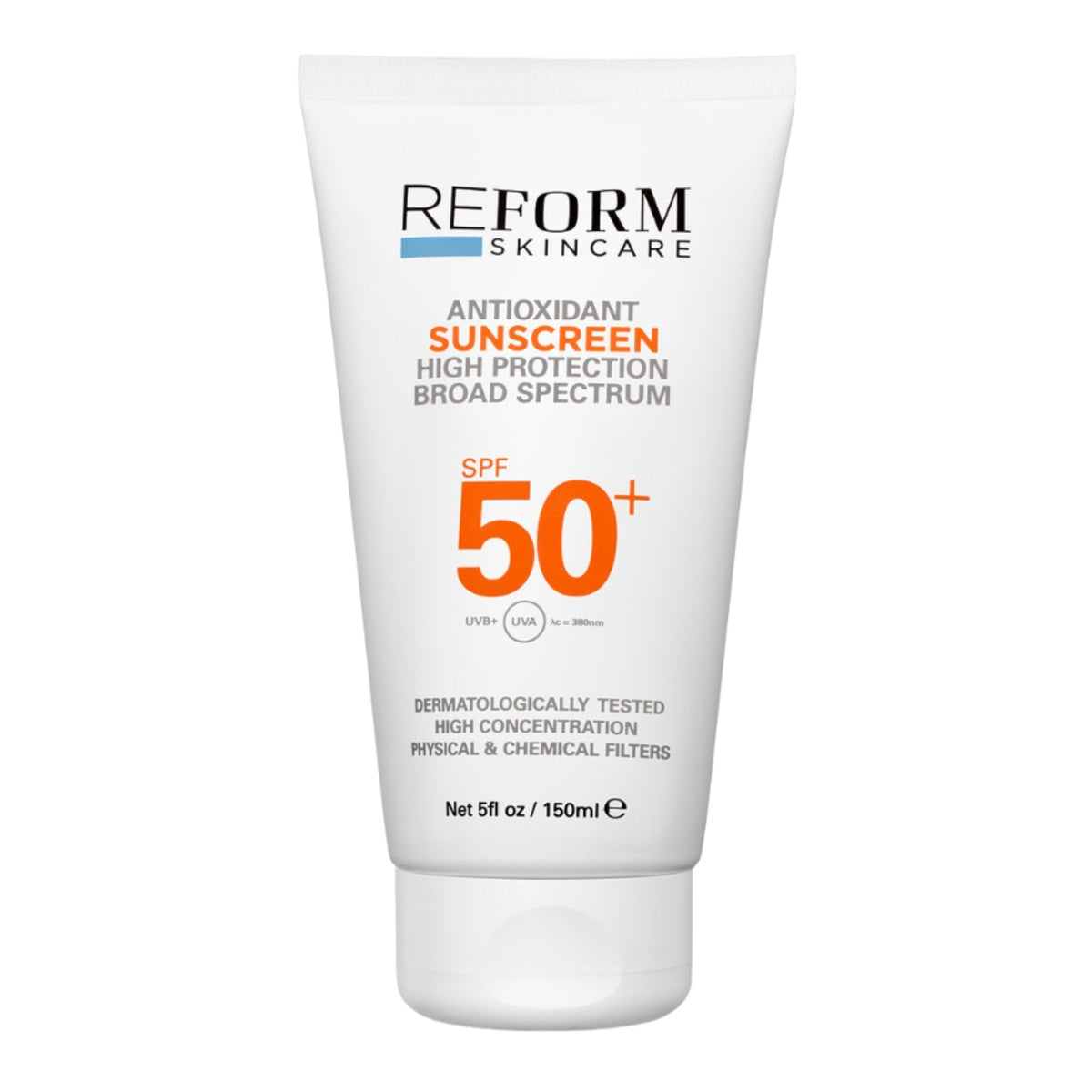
If reapplying over makeup is the sticking point, a stick or a mist is easier to keep up. Caudalie Vinosun Protect Invisible Stick SPF50, Dermalogica Golden Hour Hydrating SPF30 Stick and Reform Skincare SPF50+ Invisible Mist Spray are all made for that.

What is the difference between mineral and chemical SPF?

Mineral filters, zinc oxide and titanium dioxide, sit on the surface and reflect light. They start working straight away and tend to suit reactive skin. The trade off is that they can leave a cast.

Chemical filters absorb UV and convert it. They are lighter, sink in clear and layer better under makeup.

Both work. The one you will actually put on every morning is the one that protects you.

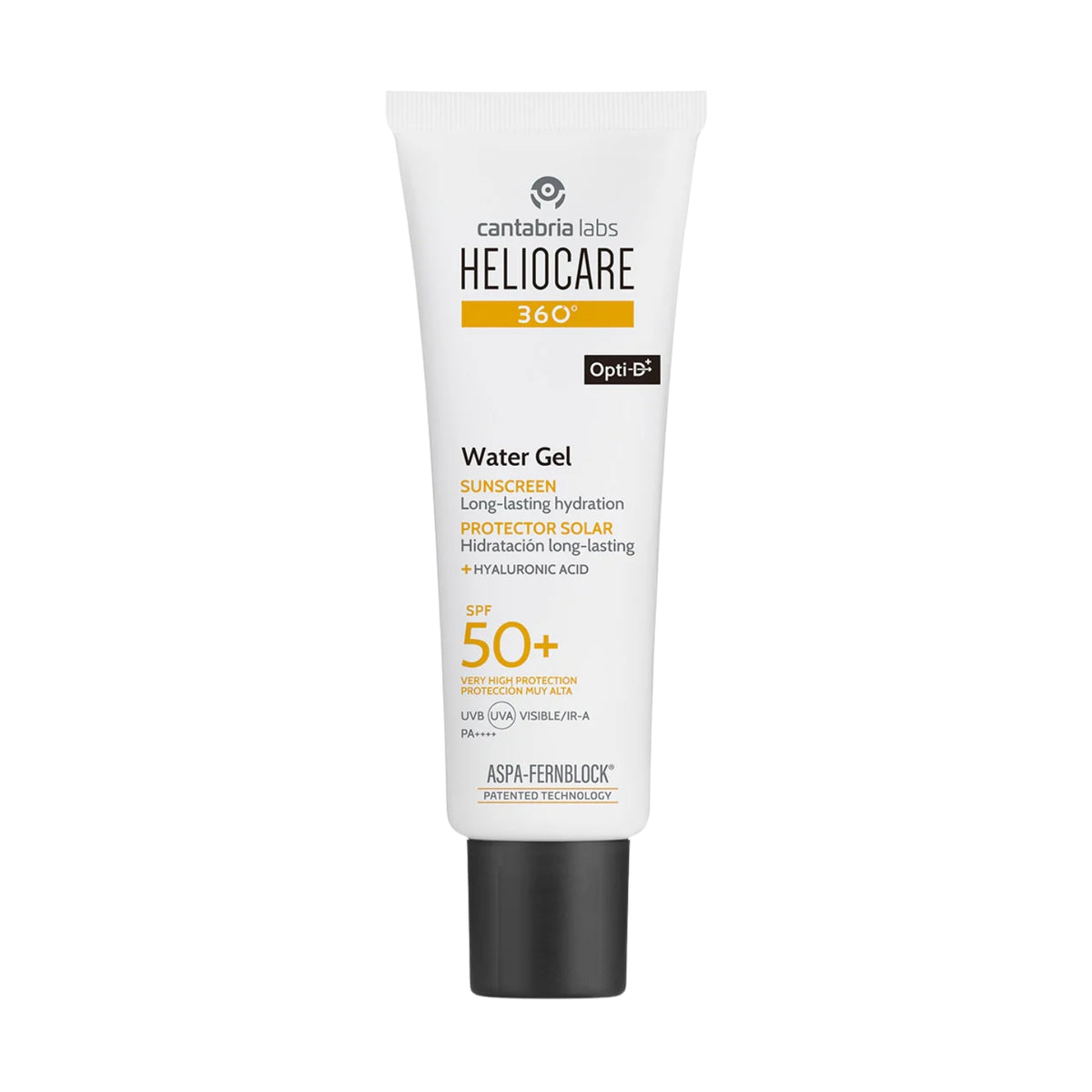
  • Mineral: Medik8 Physical Sunscreen SPF50, Dermalogica Invisible Physical Defense SPF30, Heliocare 360 Mineral Tolerance Fluid SPF50
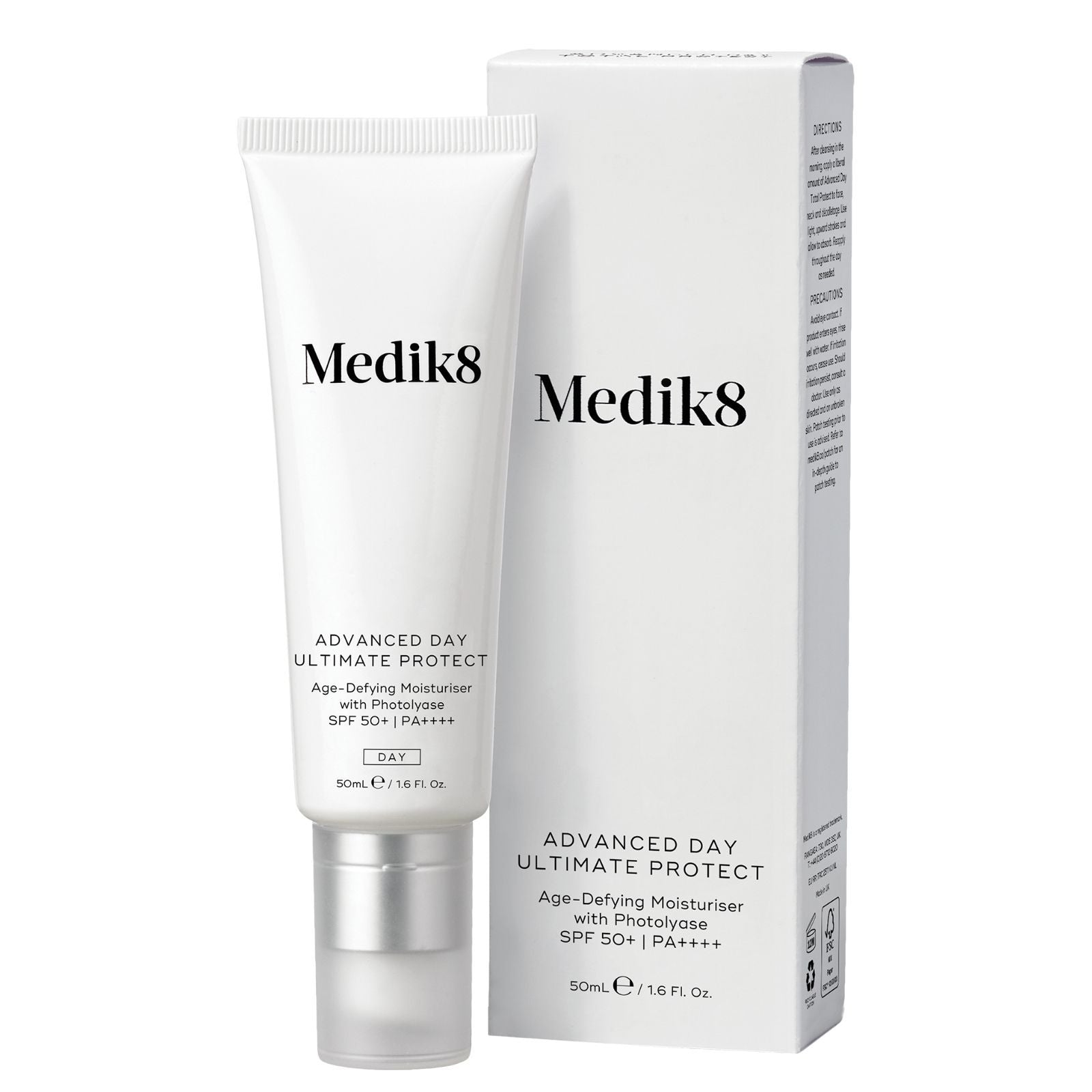
  • Chemical or blended: SkinCeuticals Ultra Facial UV Defense SPF50, Medik8 Advanced Day Ultimate Protect SPF50+, Image Skincare Daily Prevention Ultra Defense Moisturizer SPF50

Will SPF leave a white cast or break me out?

Not if you pick the right one, and there are more good options now than there have ever been.

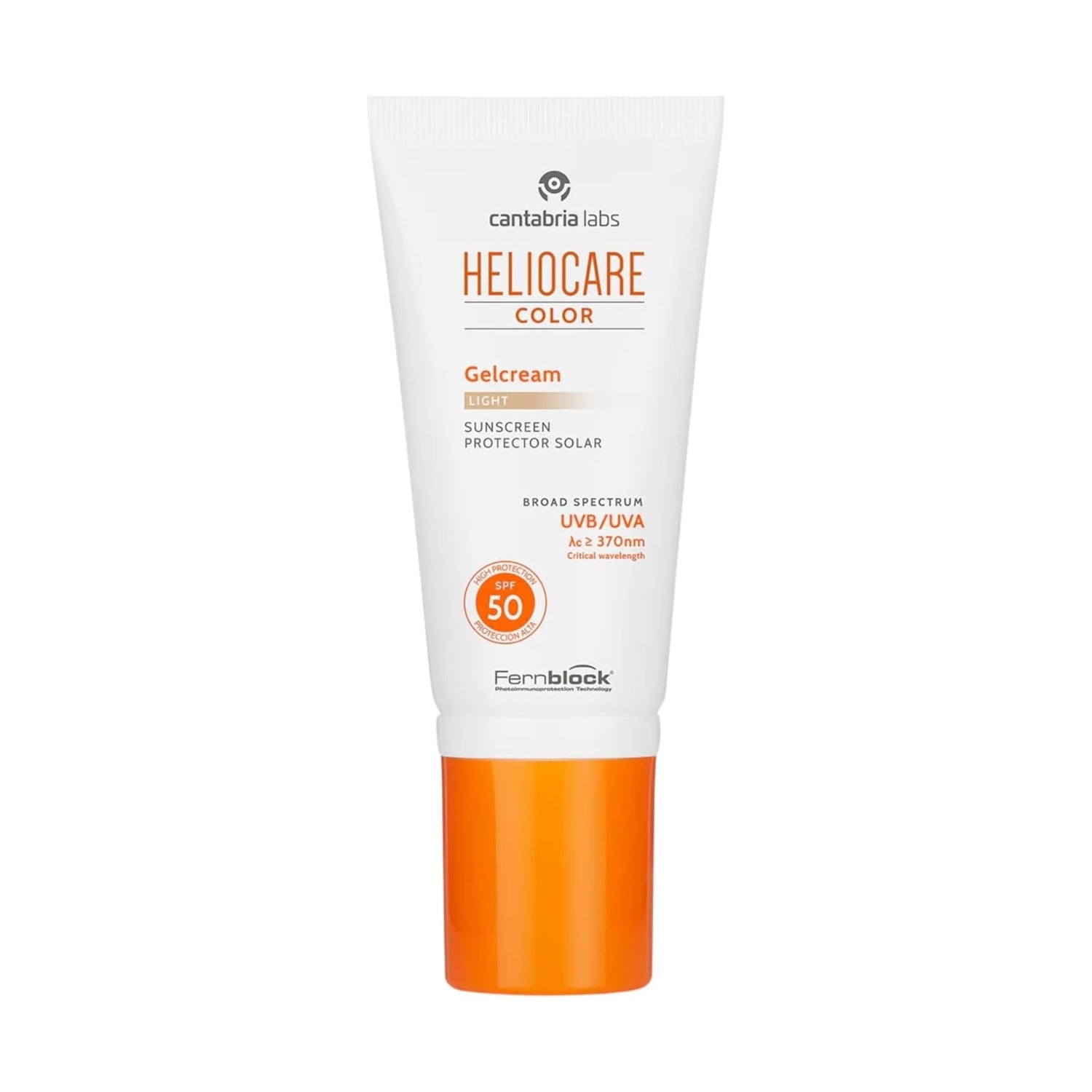
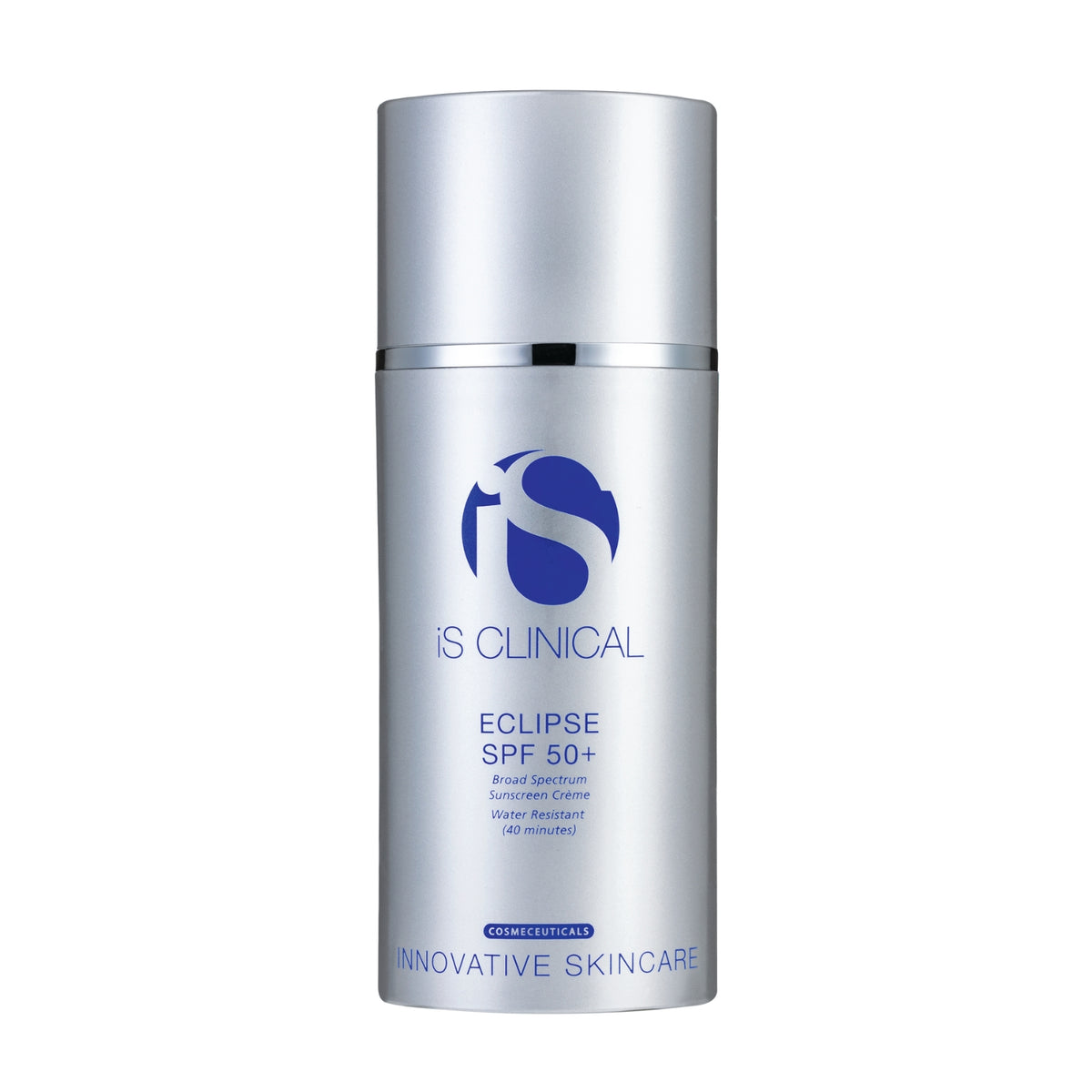
For deeper skin tones a tinted formula avoids the cast entirely. iS Clinical Eclipse SPF50+ PerfecTint Beige, Obagi Sun Shield Tint Broad Spectrum SPF50 and Heliocare 360 Color Gel Oil-Free SPF50 Bronze all come in shades.

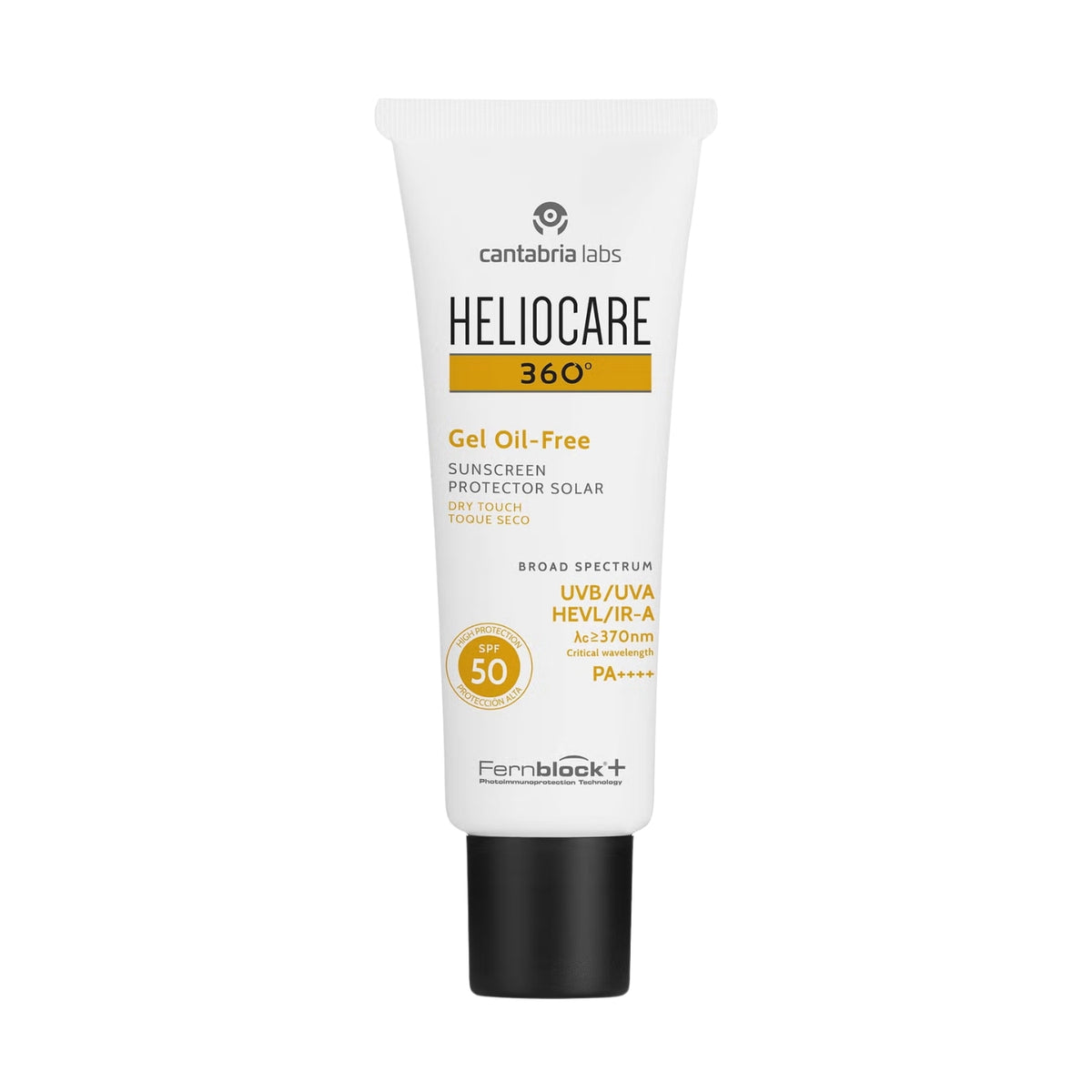
For oily or blemish prone skin, look for oil free and matte finishes. Heliocare 360 Gel Oil-Free SPF50 and SkinCeuticals Oil Shield UV Defense Sunscreen SPF50 are both built for it.

There is a filter for both of these in the menu at the top of this page.

Is the SPF in my moisturiser or foundation enough?

Usually not, and it comes down to how much you apply.

An SPF rating is measured at a thickness most people never reach with a moisturiser or a foundation. Spread thin over the face, real protection drops well below the number on the label.

A moisturiser with SPF is fine if you apply it properly and generously. Foundation is a bonus on top, not a substitute. If you want one step instead of two, use a proper SPF moisturiser like Dermalogica Dynamic Skin Recovery SPF50 or Image Skincare Daily Prevention Pure Mineral Hydrating Moisturizer SPF30 and apply plenty of it.

Which SPF should I choose?

Work backwards from what will make you wear it daily.

  • Dry skin: something moisturising, like Dermalogica Dynamic Skin Recovery SPF50
  • Oily or blemish prone: oil free and matte, like Heliocare 360 Gel Oil-Free SPF50
  • Reactive skin: mineral, like Medik8 Physical Sunscreen SPF50
  • Under makeup: light and quick to sink in, like SkinCeuticals Ultra Facial UV Defense SPF50
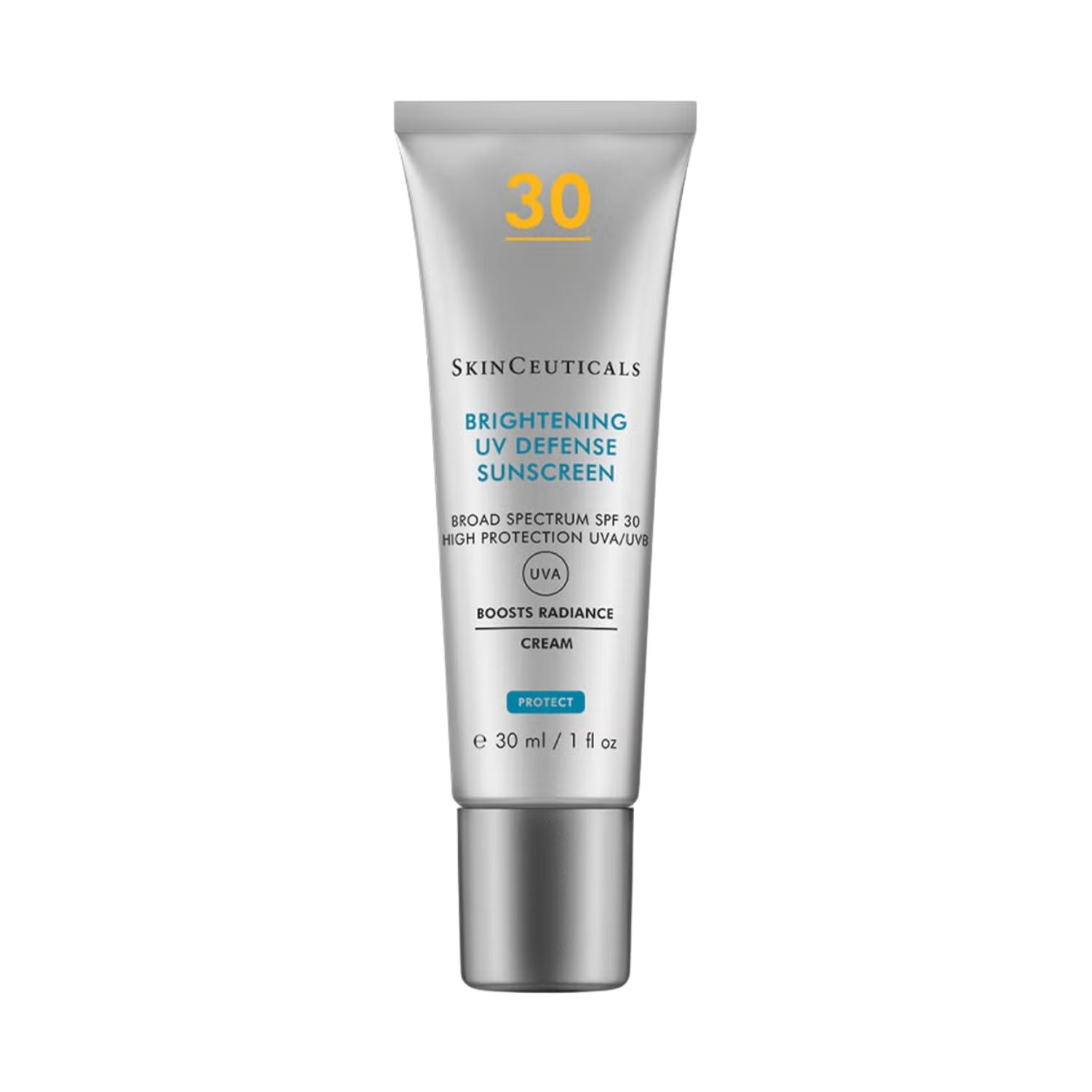
  • Pigmentation: a brightening SPF, like SkinCeuticals Advanced Brightening UV Defense Sunscreen SPF50

Go for SPF30 as a minimum and SPF50 if you are treating pigmentation or using actives.