Filters
Sort by

Glycolic Acid in Skincare FAQs

What does glycolic acid actually do?

It is the smallest of the AHAs, which means it gets into the skin more easily than the others. It loosens the bonds holding dull dead cells on the surface so they shed instead of sitting there.

What you notice is smoother texture, a brighter look and fewer clogged pores. Over time it also helps with the look of fine lines and uneven tone.

It is the most researched acid in skincare, which is why it turns up in everything from cleansers to overnight treatments.

How do I start using it without wrecking my skin?

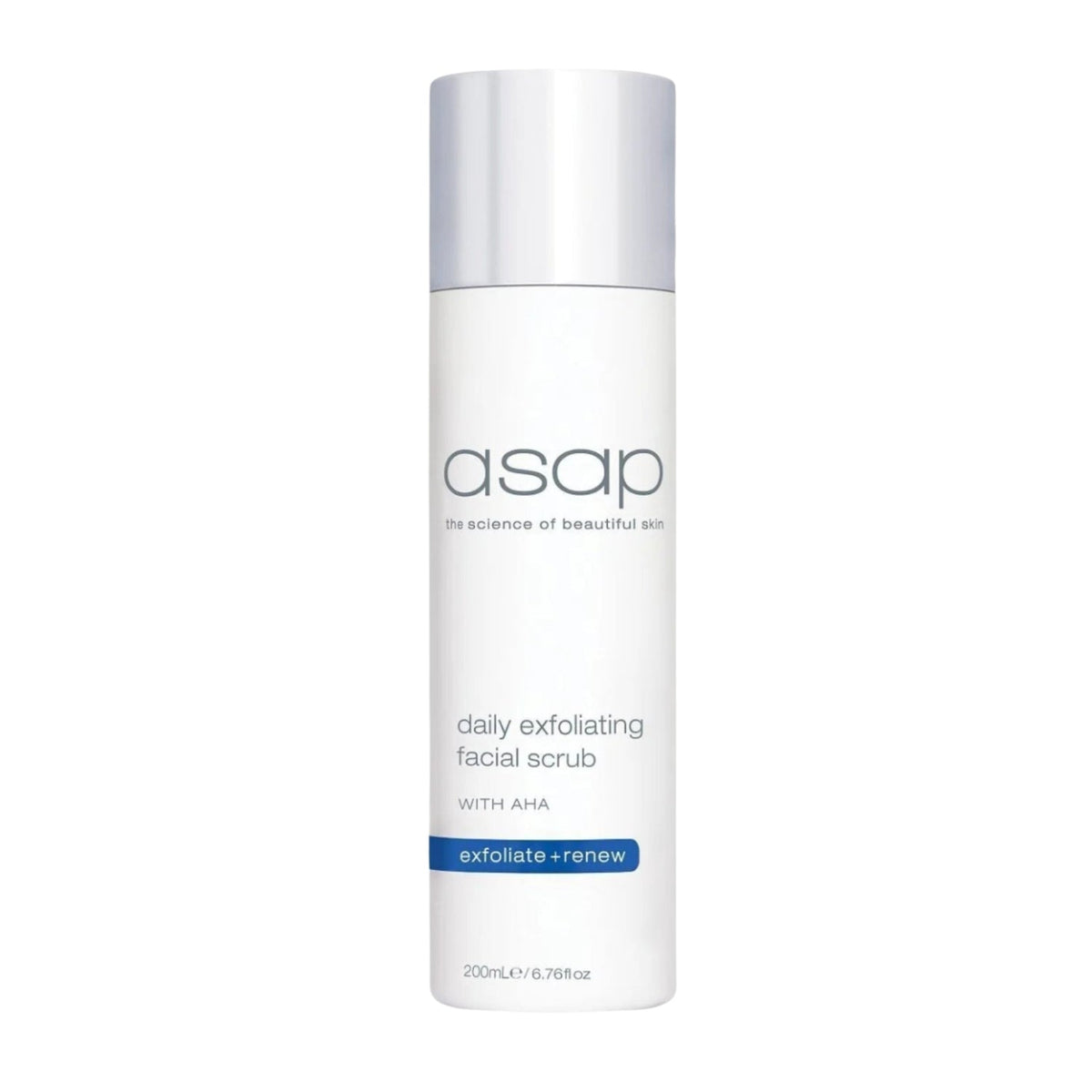
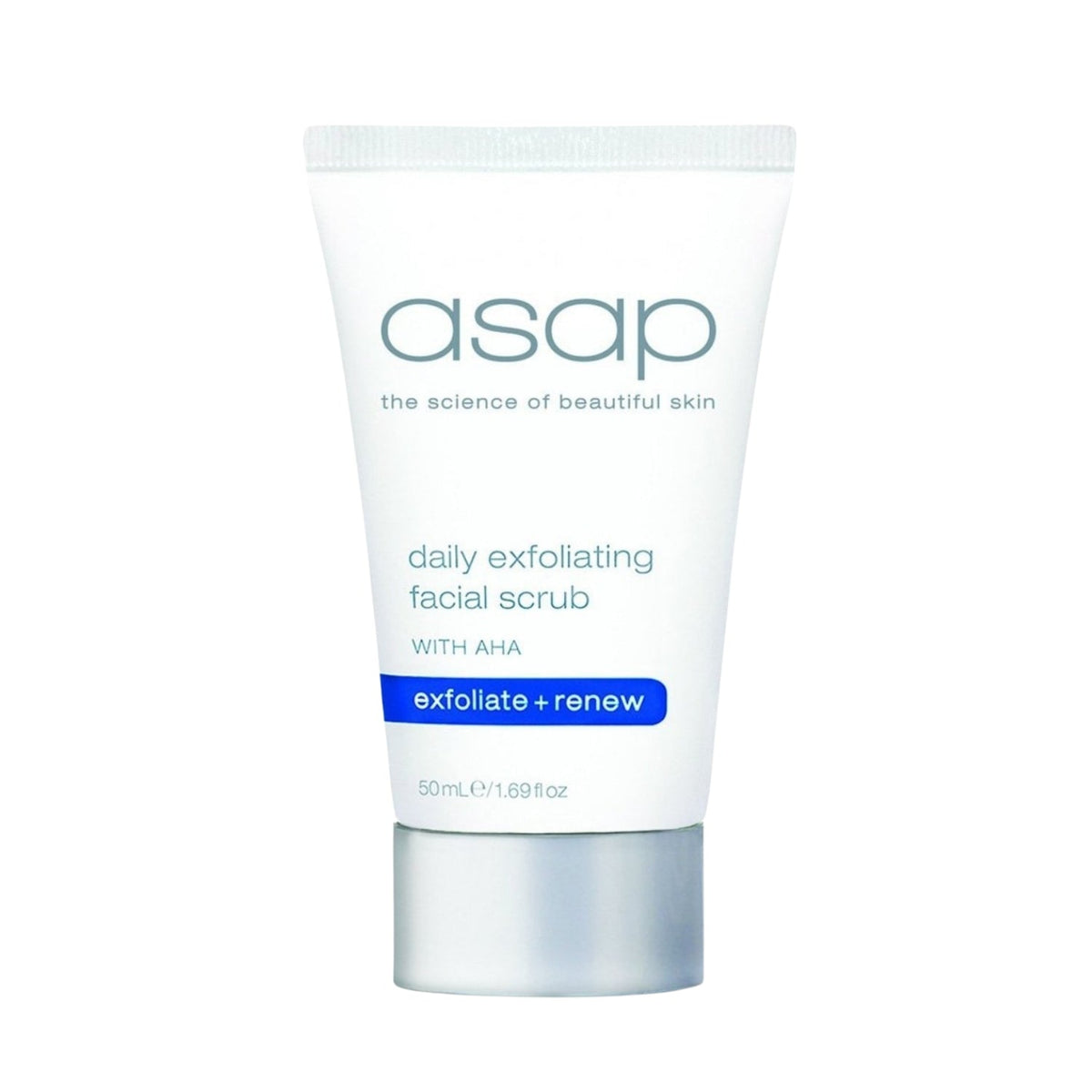
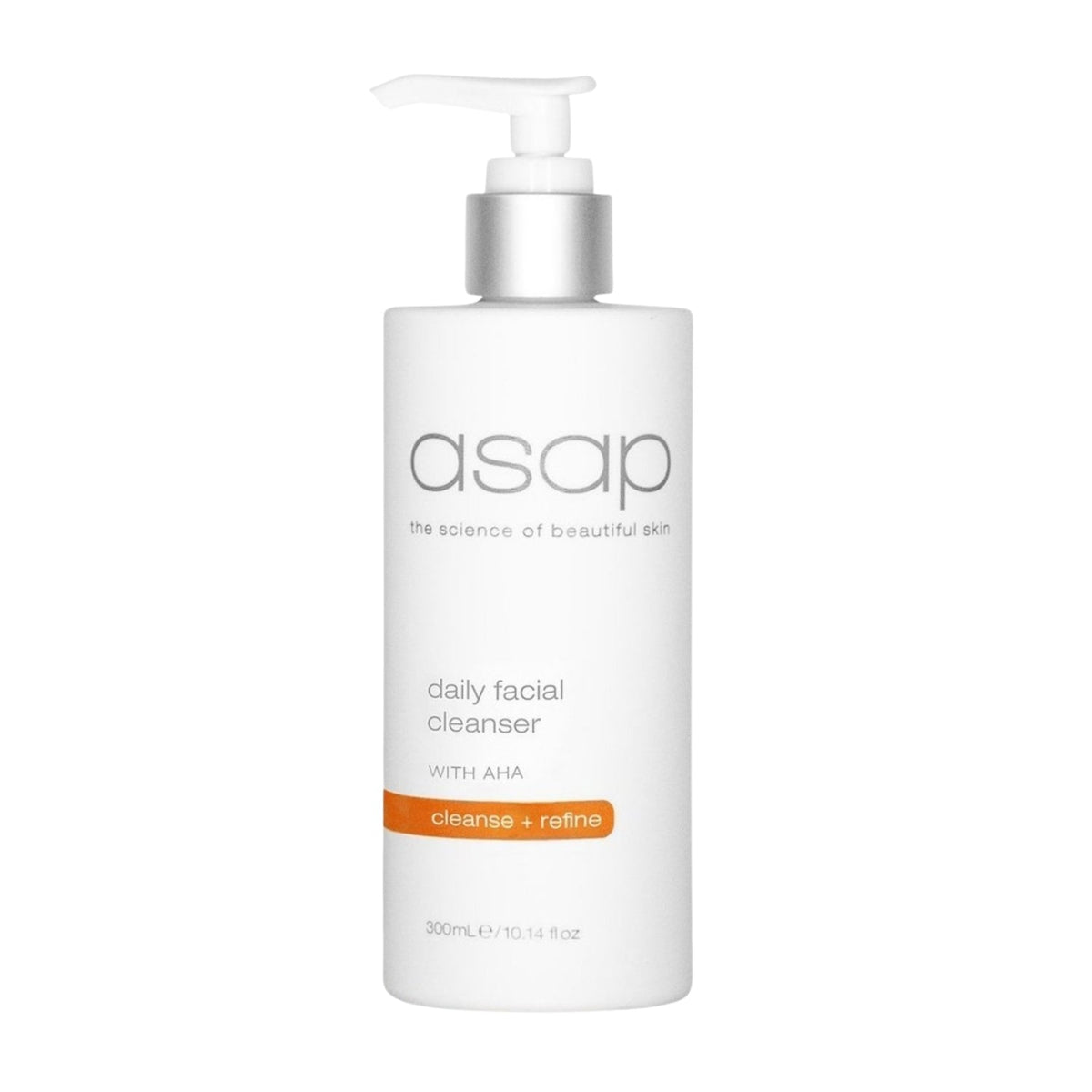
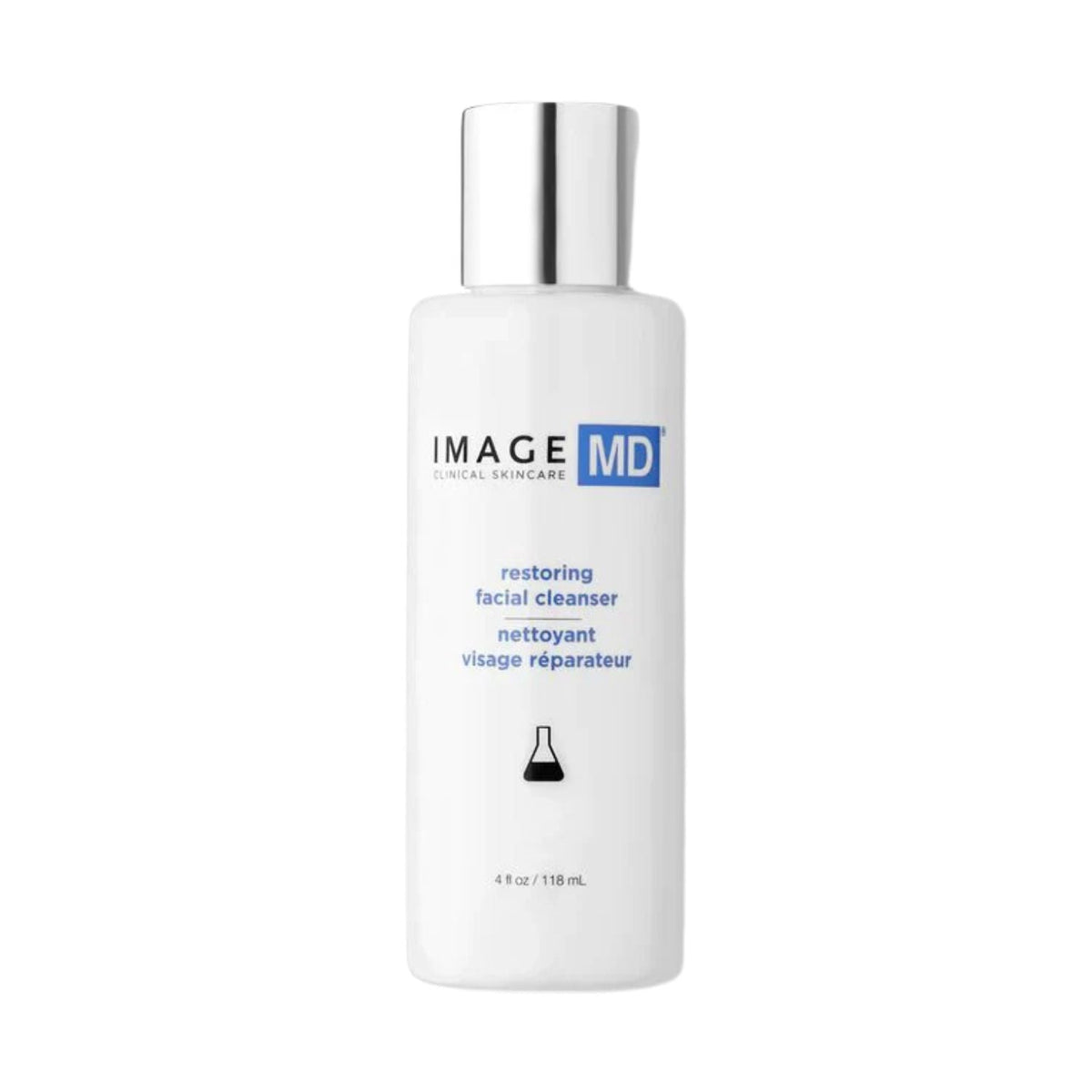
Start in a wash off format. A cleanser gives you the acid for sixty seconds and then it is gone, which is a far gentler introduction than a leave on product.

  • SkinCeuticals Glycolic Renewal Cleanser or Reform Skincare Glycolic Acid Foaming Cleanser if you want to ease in
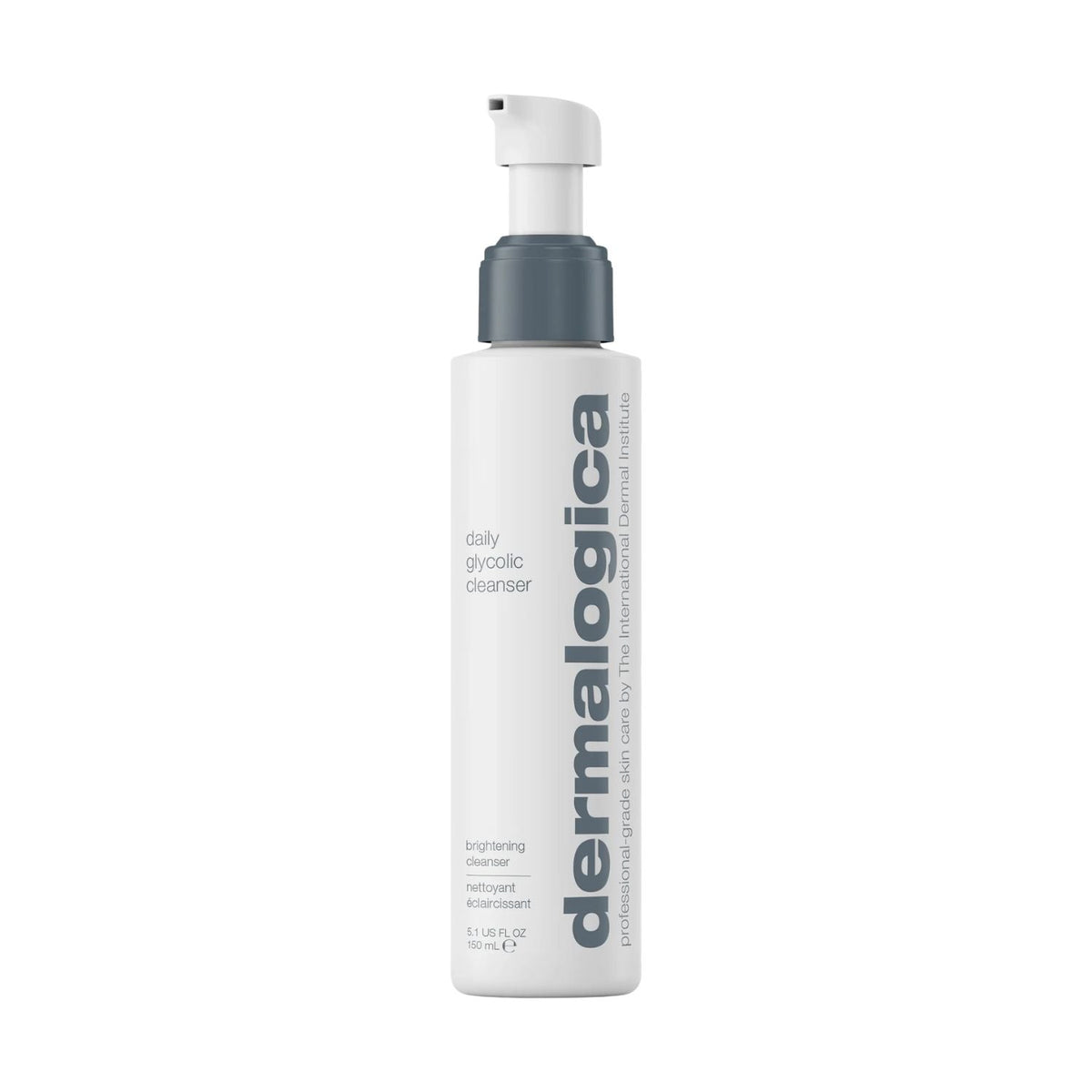
  • Dermalogica Daily Glycolic Cleanser if you want something for every day
  • Image Skincare Ageless Total Facial Cleanser if you also want the other AHAs in the mix

Once that feels fine, move to a leave on product two nights a week and build from there. Most skin settles at three or four nights.

Which glycolic product should I pick?

It depends how much you want it working and for how long.

  • Cleansers give the gentlest exposure. Good for sensitive skin or a first go
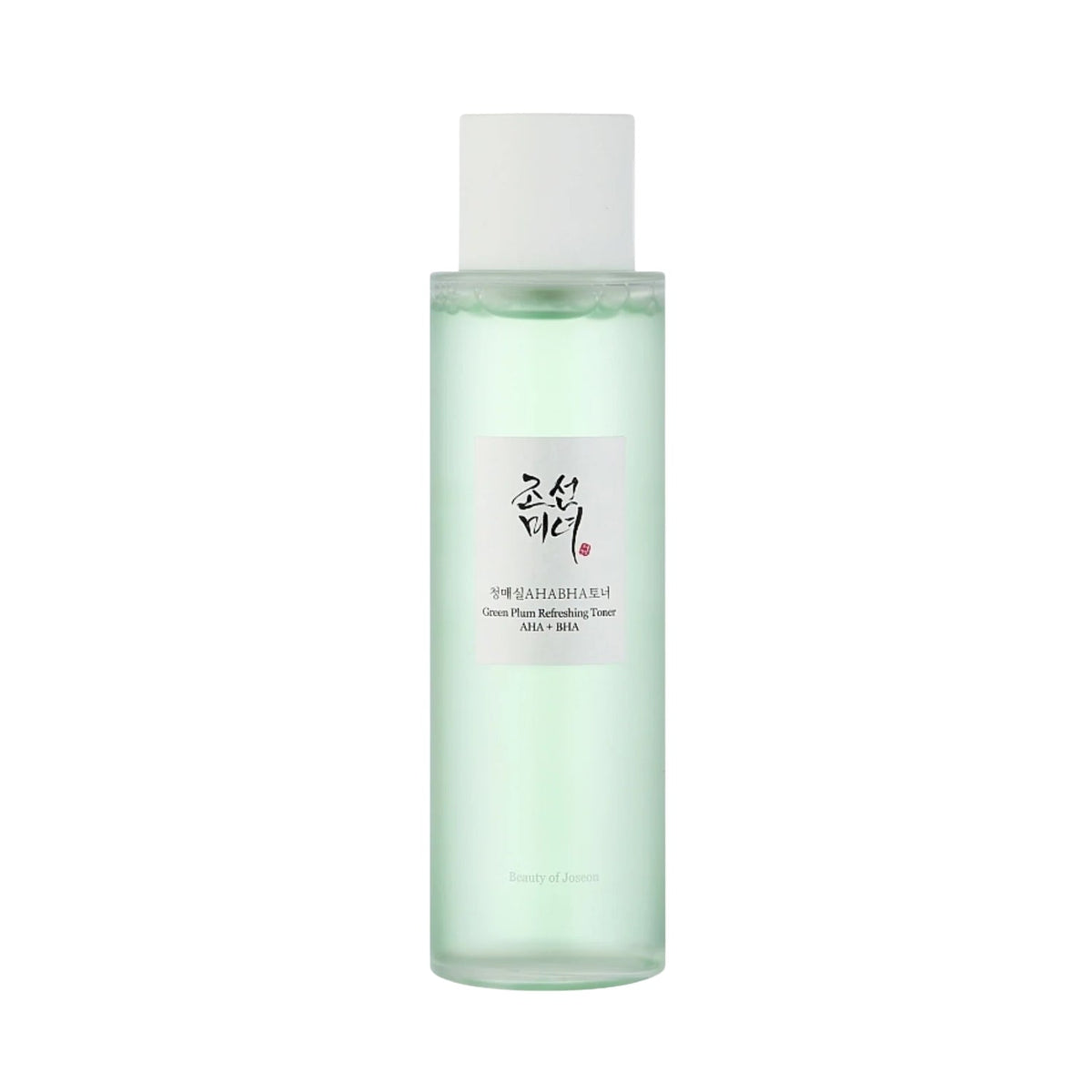
  • Toners and pads like SkinCeuticals Blemish + Age Toner or ZO Skin Health Complexion Renewal Pads sit somewhere in the middle and suit oilier skin
  • Serums like SkinCeuticals Retexturing Activator or Image Skincare Ageless Total Anti-Ageing Serum work hardest on texture and tone
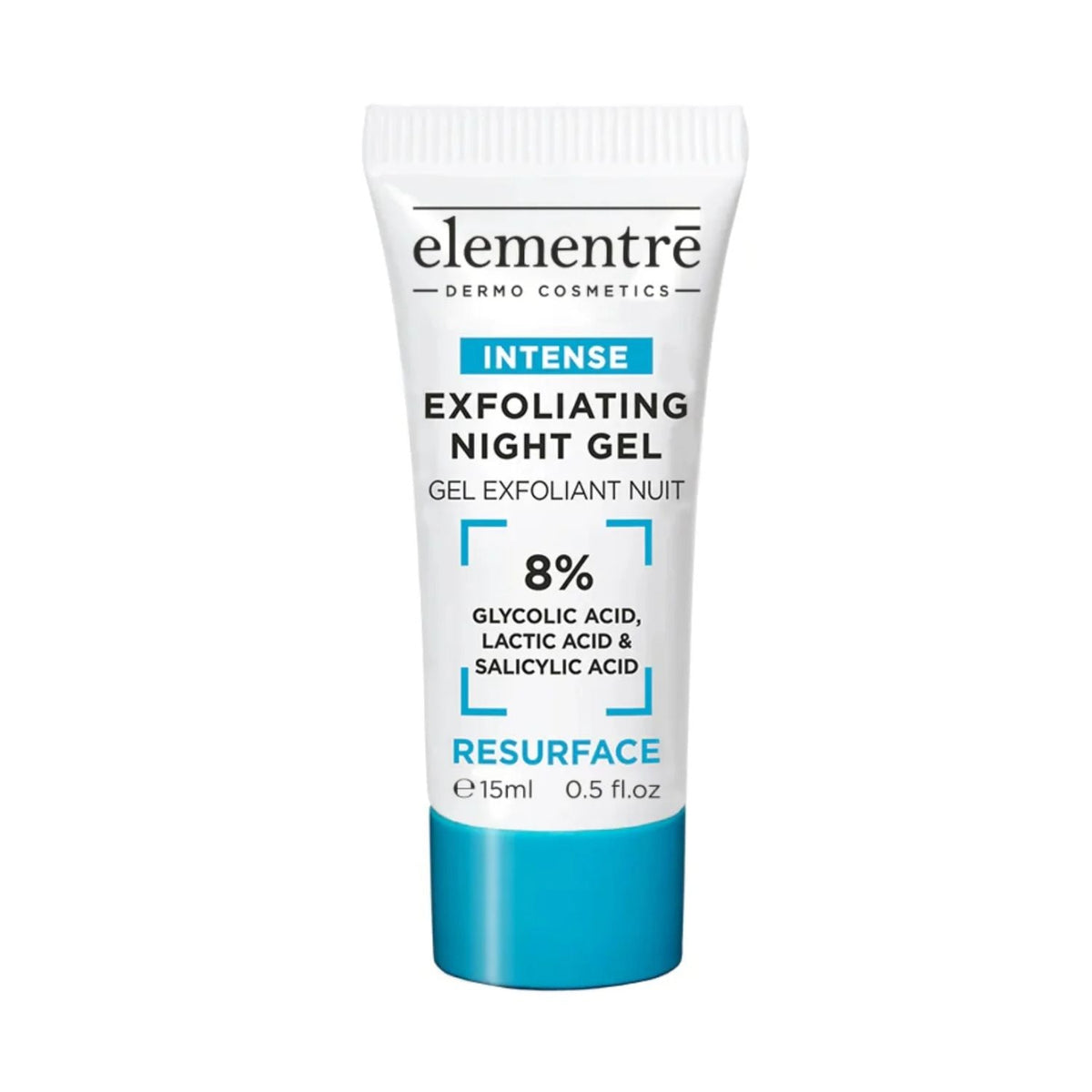
  • Overnight treatments like SkinCeuticals Glycolic 10 Renew Overnight are the strongest option and are meant for occasional use, not nightly
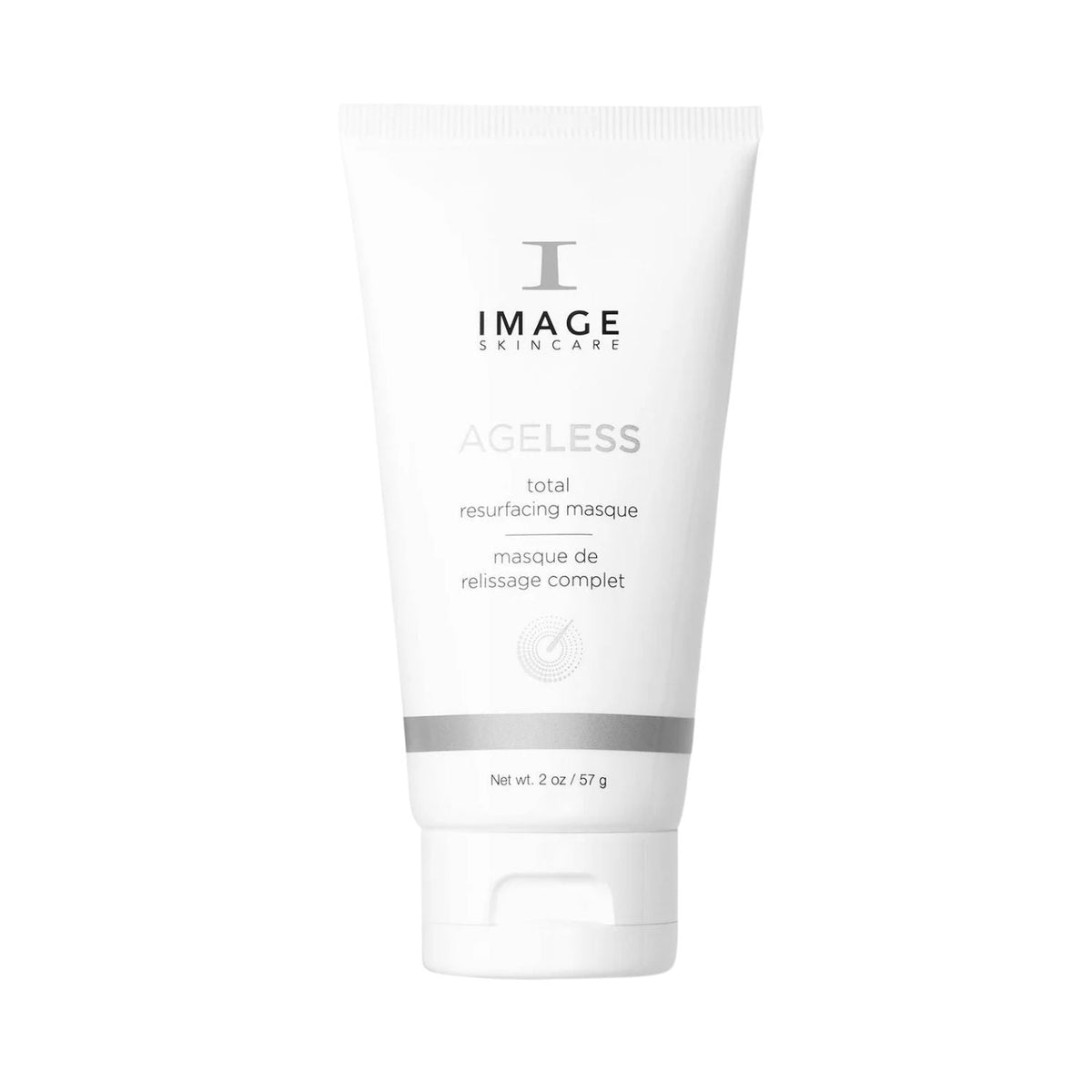
  • Masks like Image Skincare Ageless Total Resurfacing Masque or Yonka Paris Glyconight 10% Masque are a once a week reset

Can I use glycolic acid with retinol?

Not in the same routine, at least not at first. Both speed up cell turnover and together they will usually tip skin into stinging and flaking.

Alternate them instead. Retinol on Monday and Thursday, glycolic on Tuesday and Friday, nothing active on the other nights. Once your skin has months of both under its belt you can experiment with layering, but there is no prize for rushing.

If you are already red or peeling, stop both for two weeks and go back to a cleanser, a moisturiser and SPF.

Do I have to wear SPF with it?

Yes, and this is not optional. Glycolic acid makes skin more sensitive to UV for about a week after you use it, so the sun damage undoes what the acid was doing.

Use a broad spectrum SPF 30 or higher every morning, even in Irish weather. Cloud does not block UVA.

This collection has no sunscreen in it, so pick one from the Sun Protection range.

Is it safe for sensitive skin?

Often yes, but at a lower dose and less often. Sensitive is not the same as intolerant.

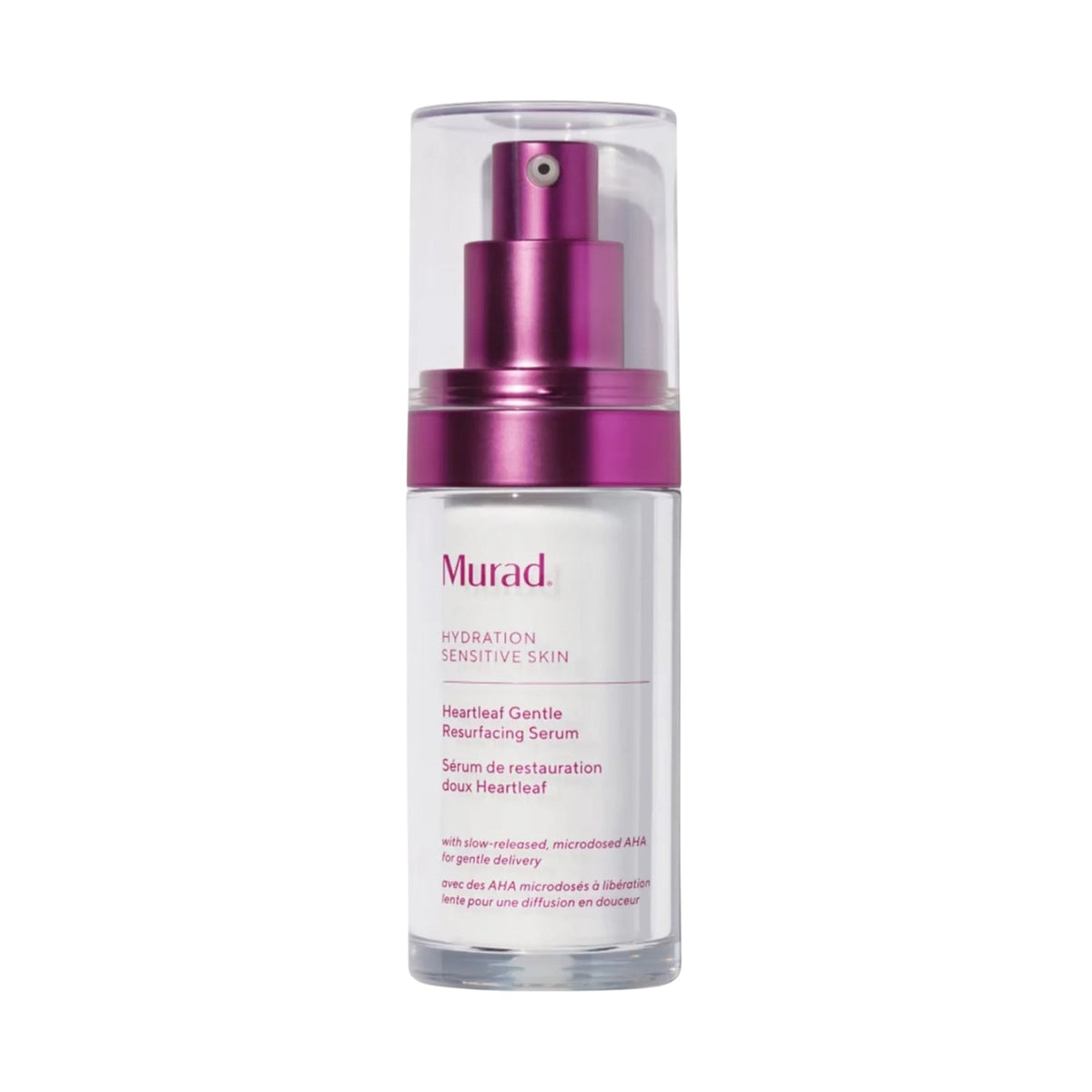
Go with a cleanser or a mild toner rather than a serum, use it twice a week and pair it with something calming. Neostrata Resurface Glycolic Mousse Cleanser and Melumé Skinscience Daily Hydra Lock Resurfacing Essence are both on the gentler end.

If you have active rosacea, eczema or a broken barrier, leave acids alone until the skin has calmed down. Mandelic acid is the kinder alternative when you are ready.