Filters
Sort by

Advanced Skincare FAQs

What counts as advanced skincare?

Skincare that is genuinely active led and that you can choose for yourself without a consultation. Real ingredients at useful strengths, formulated properly, and sold to be understood rather than prescribed.

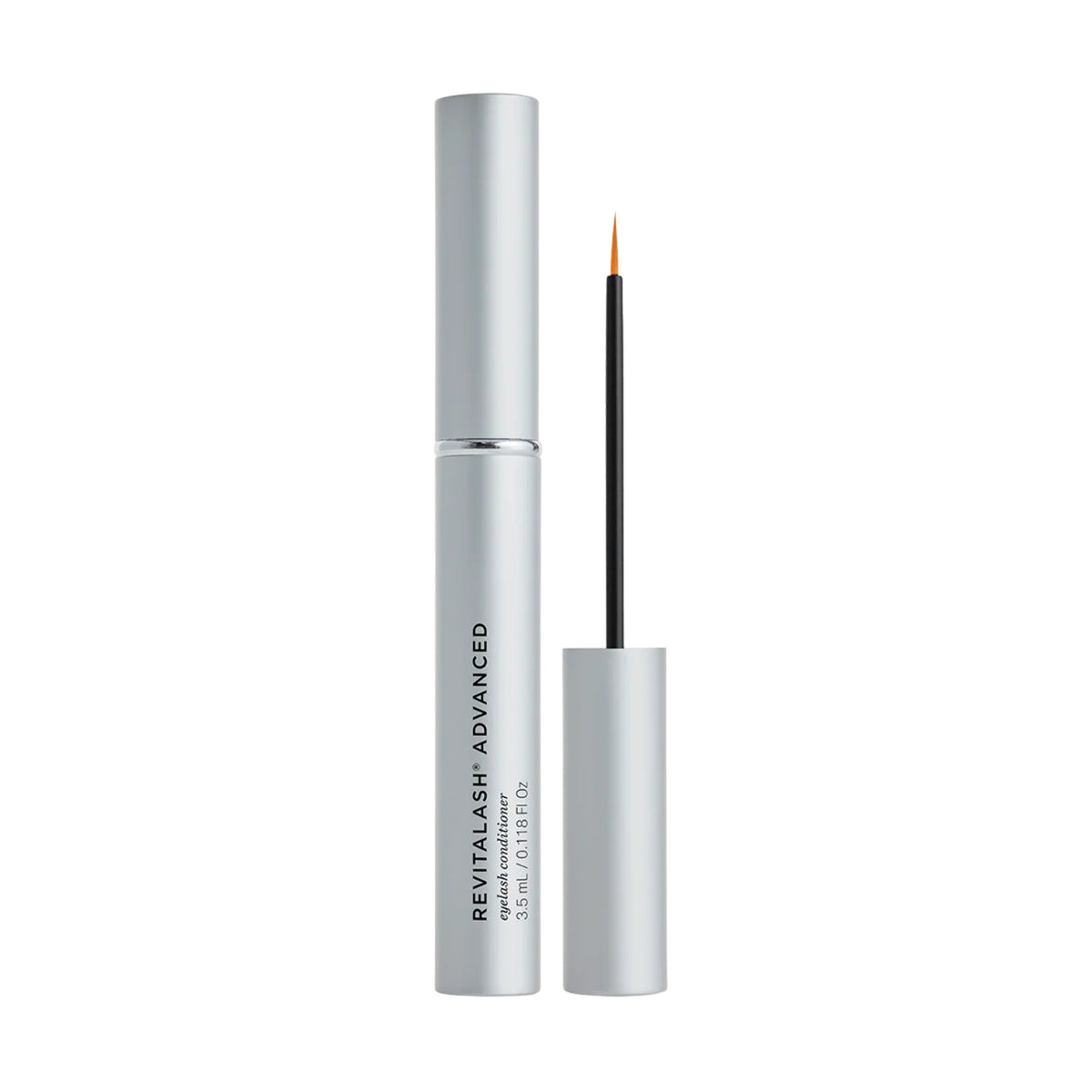
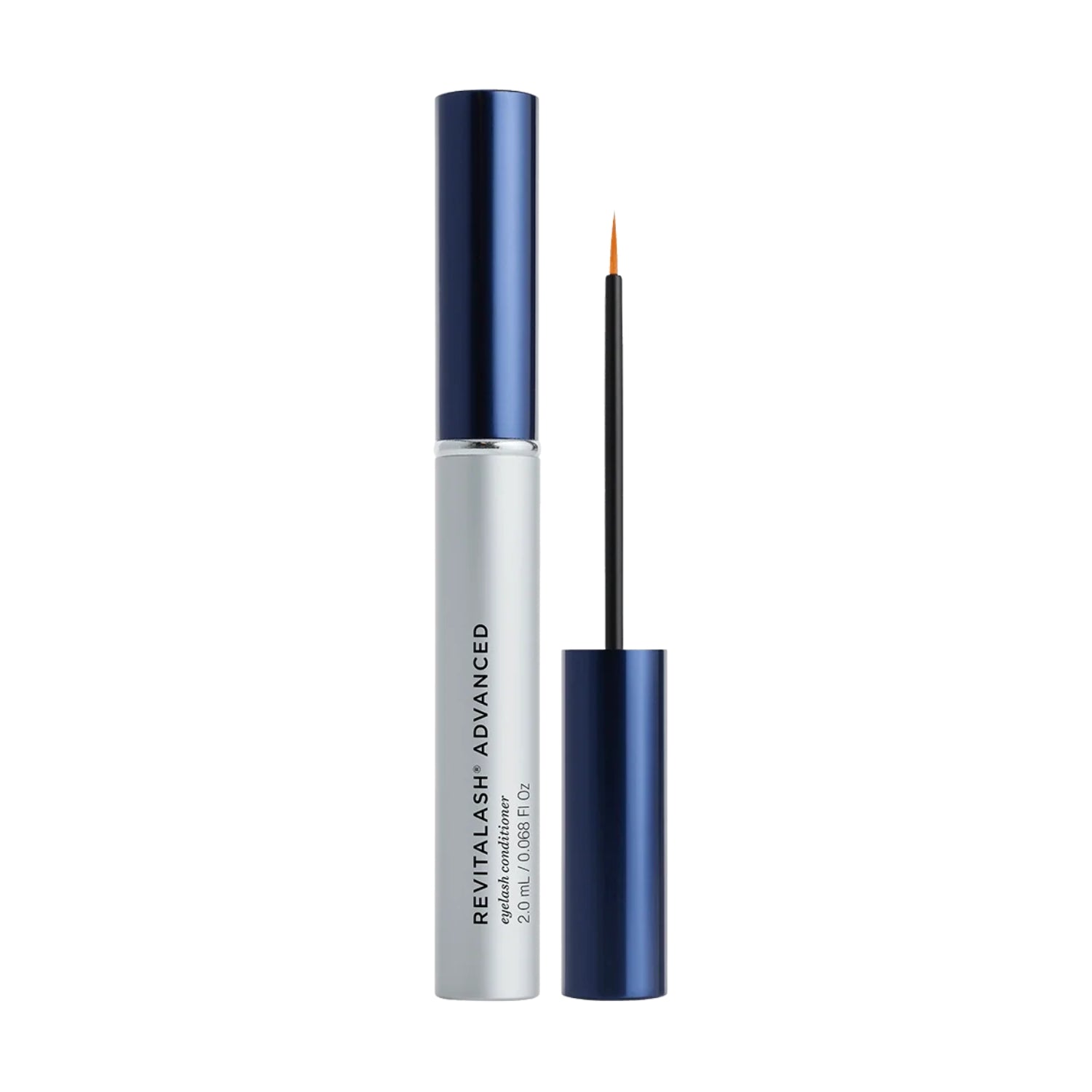
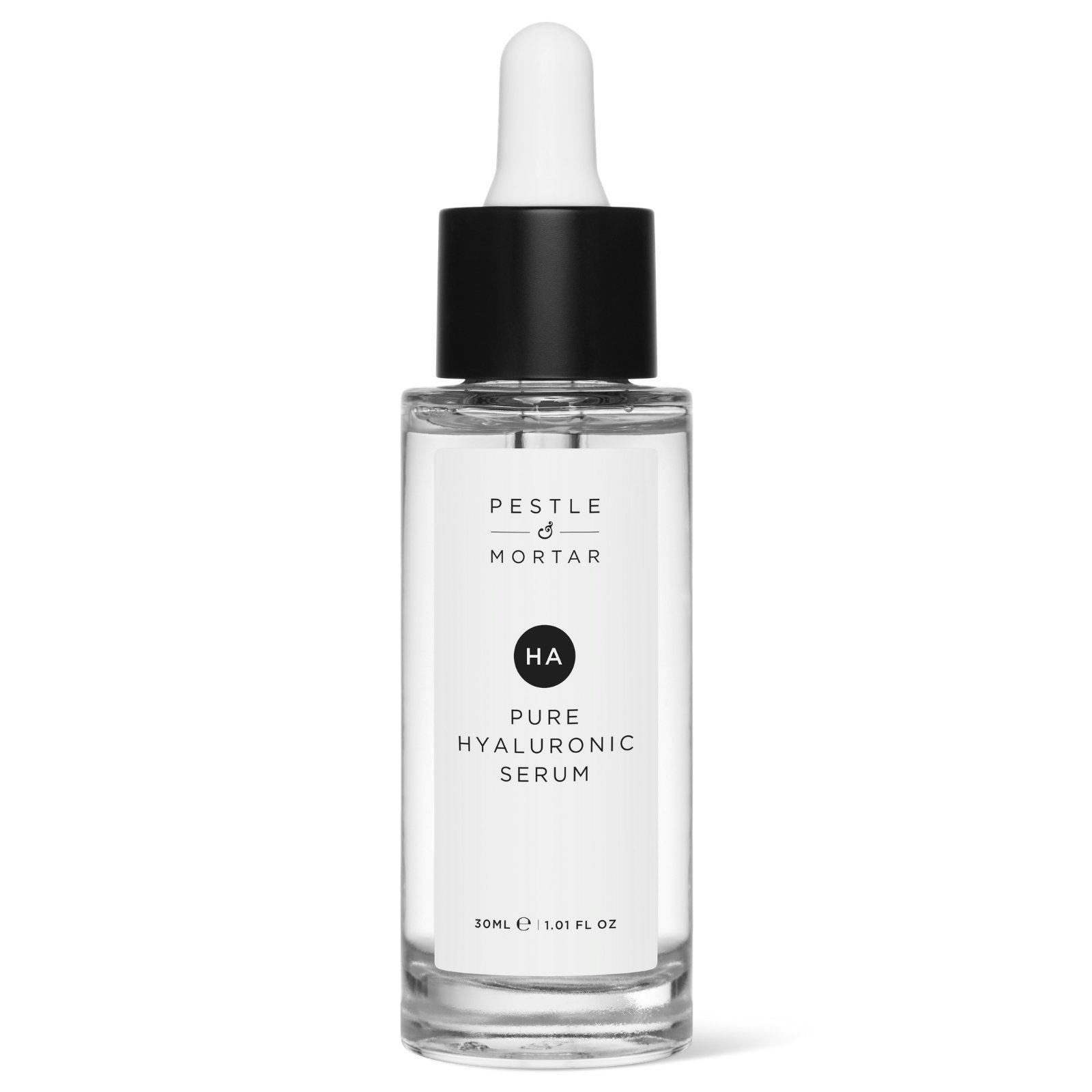
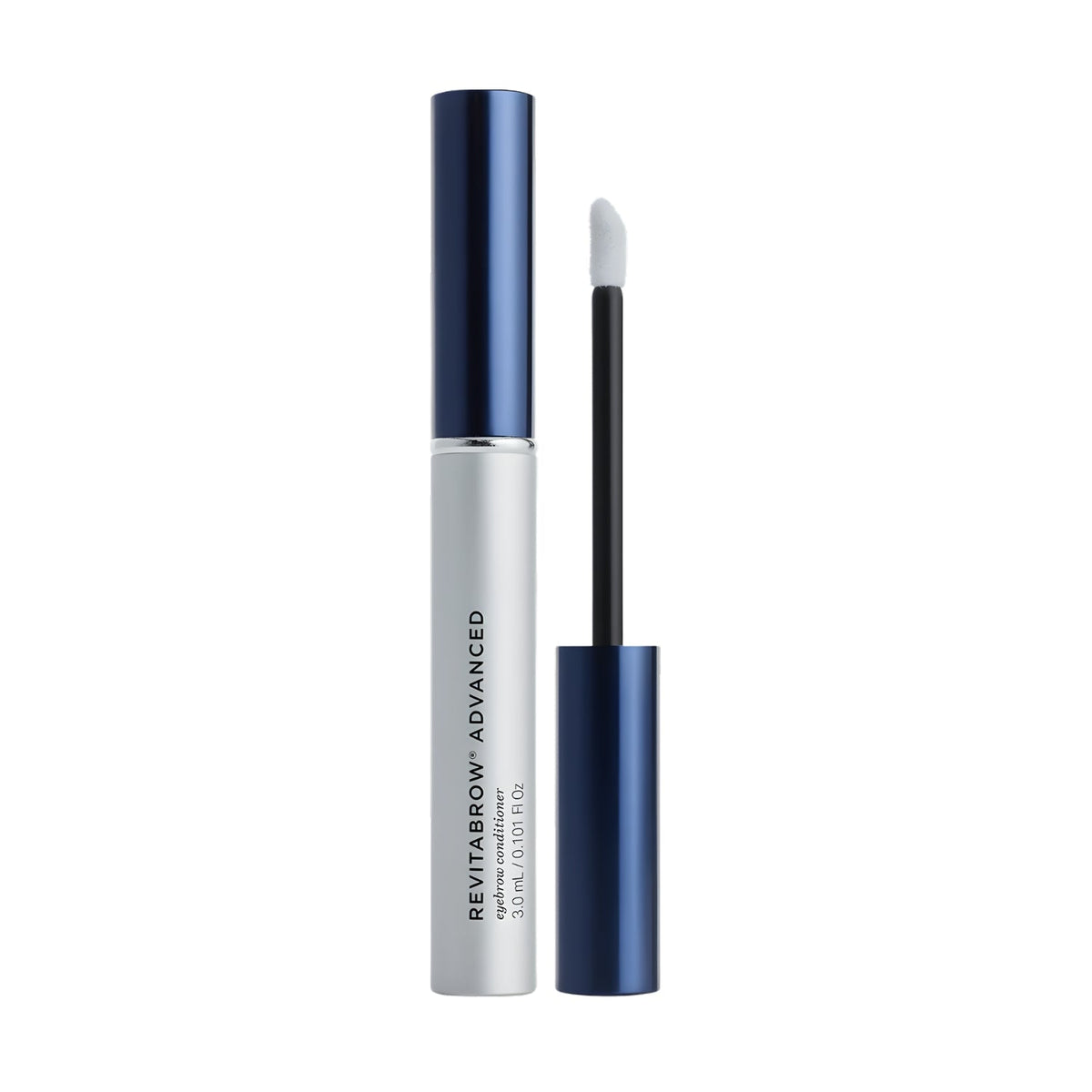
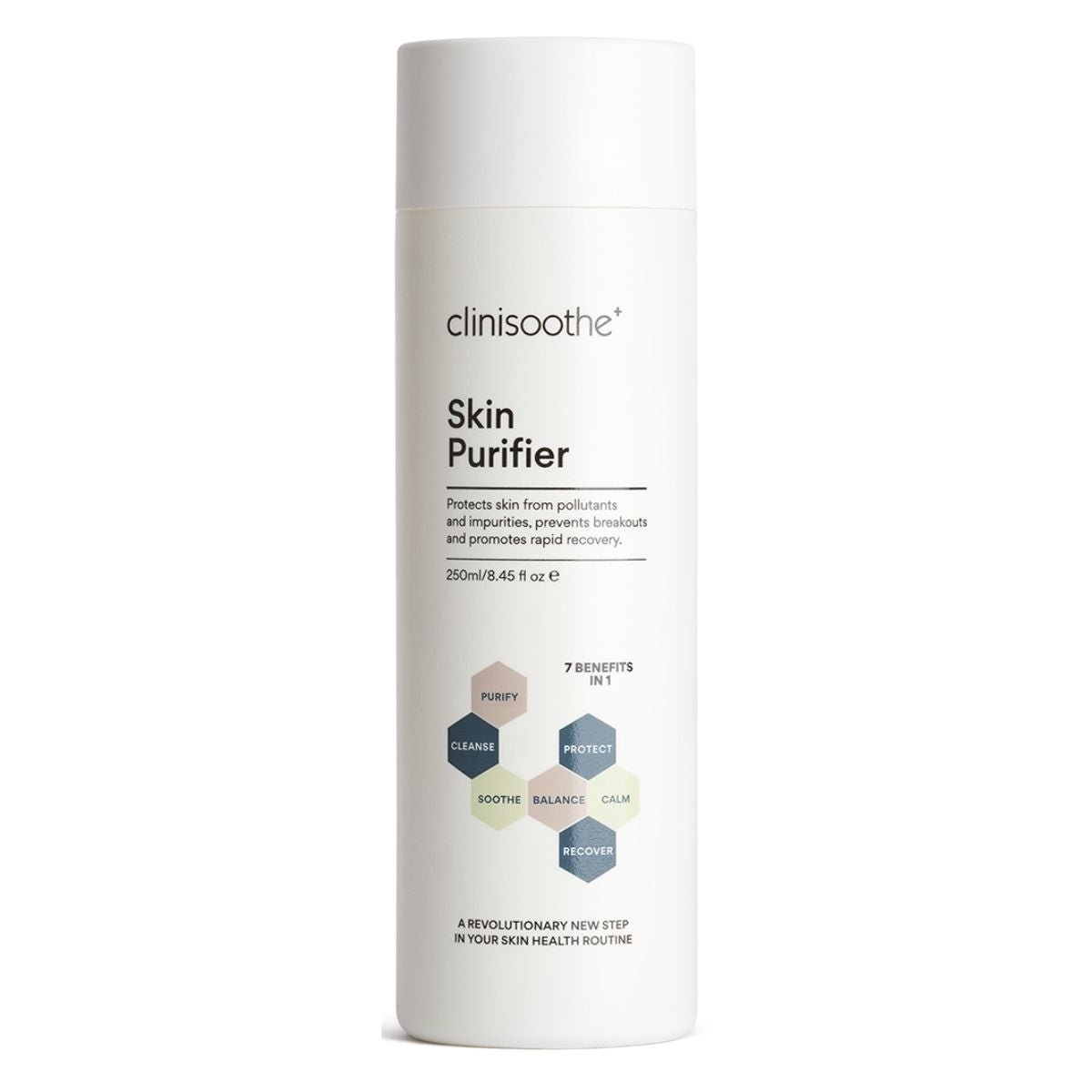
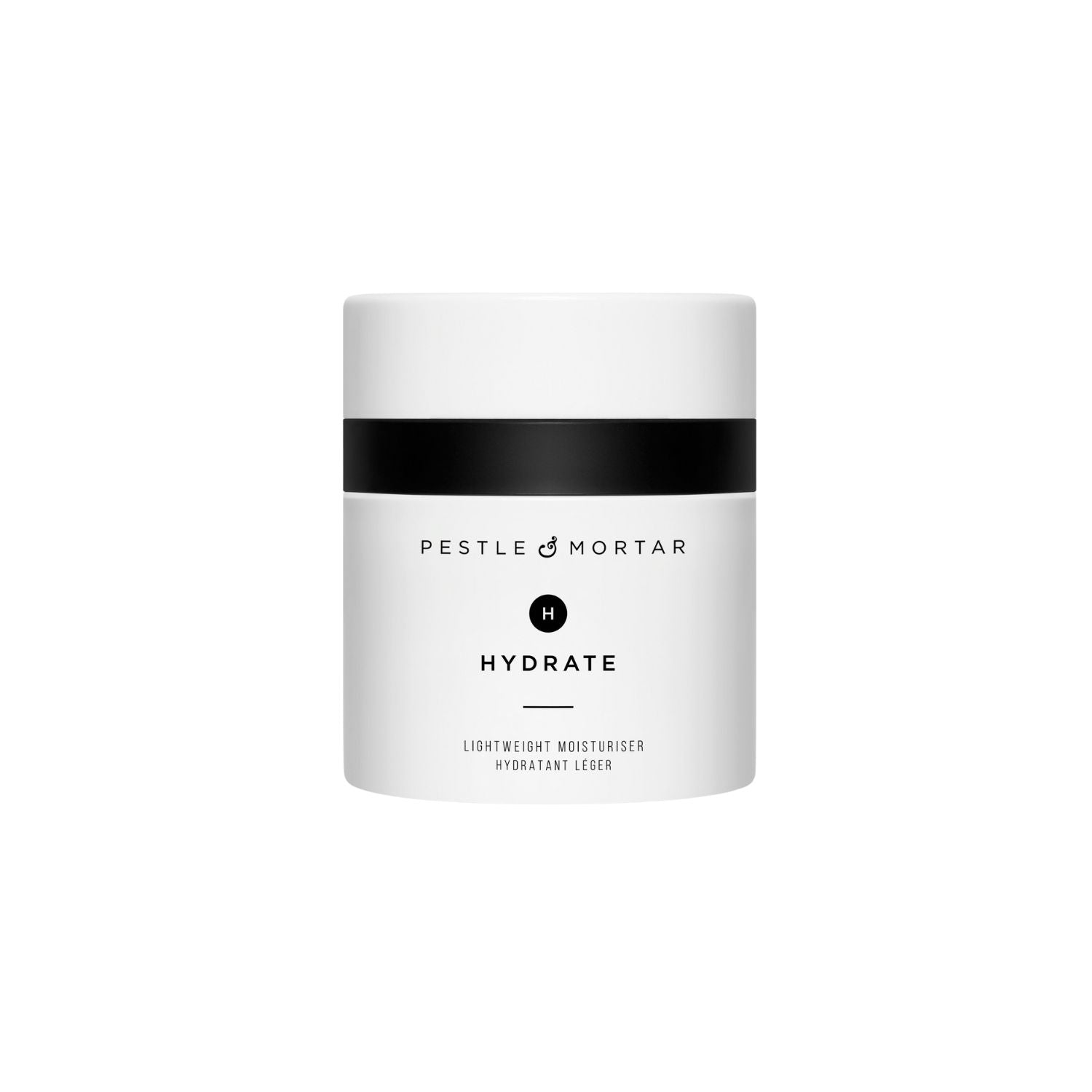
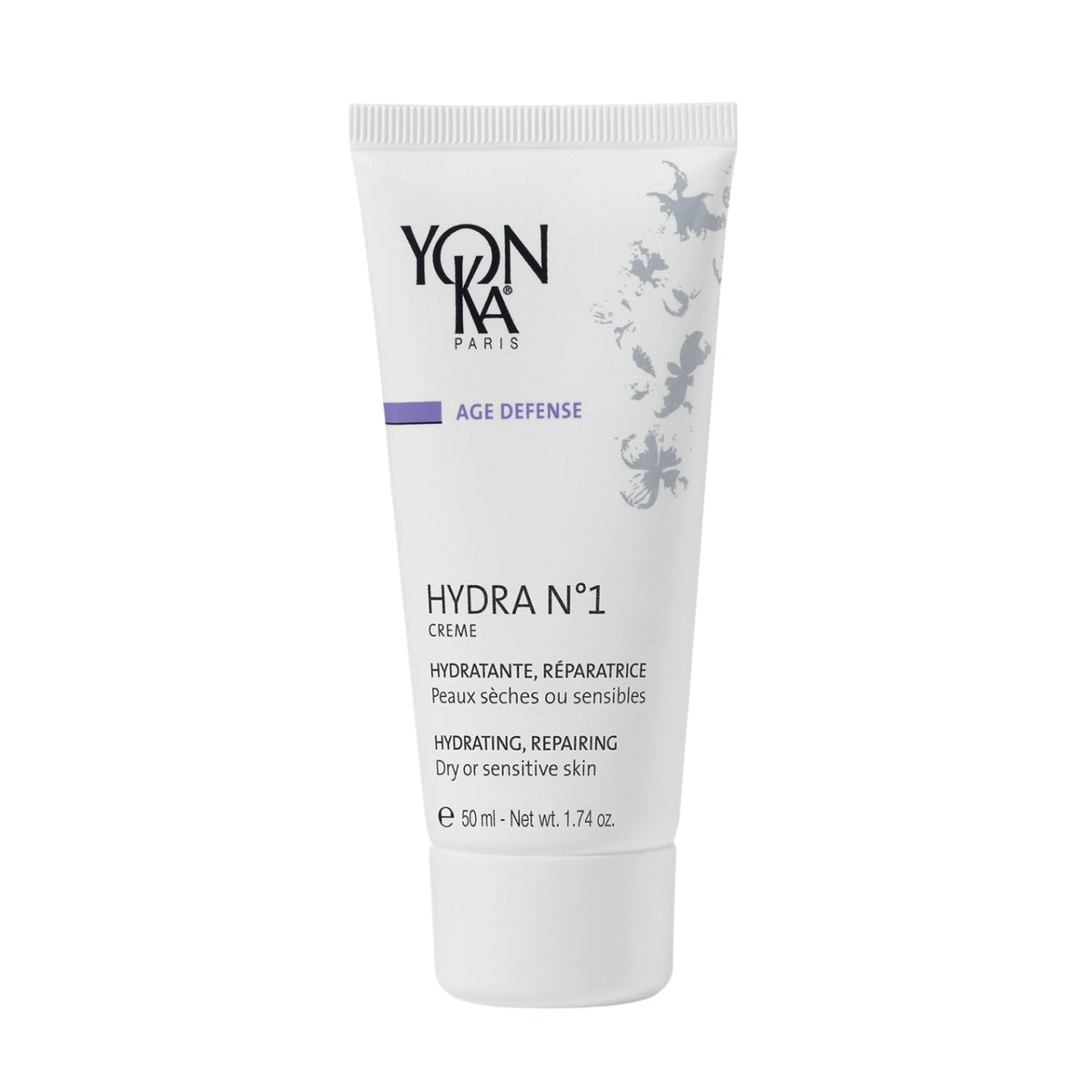
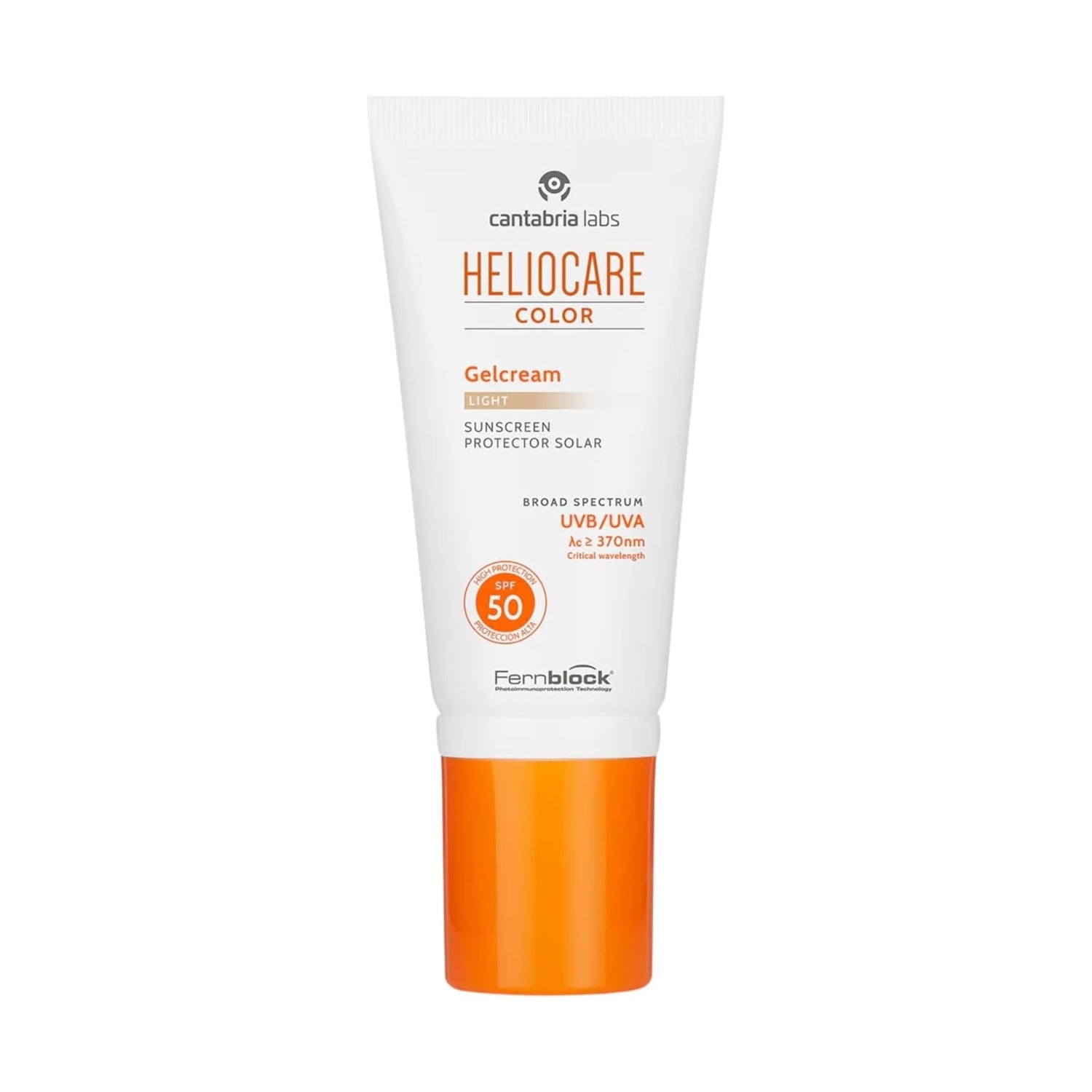
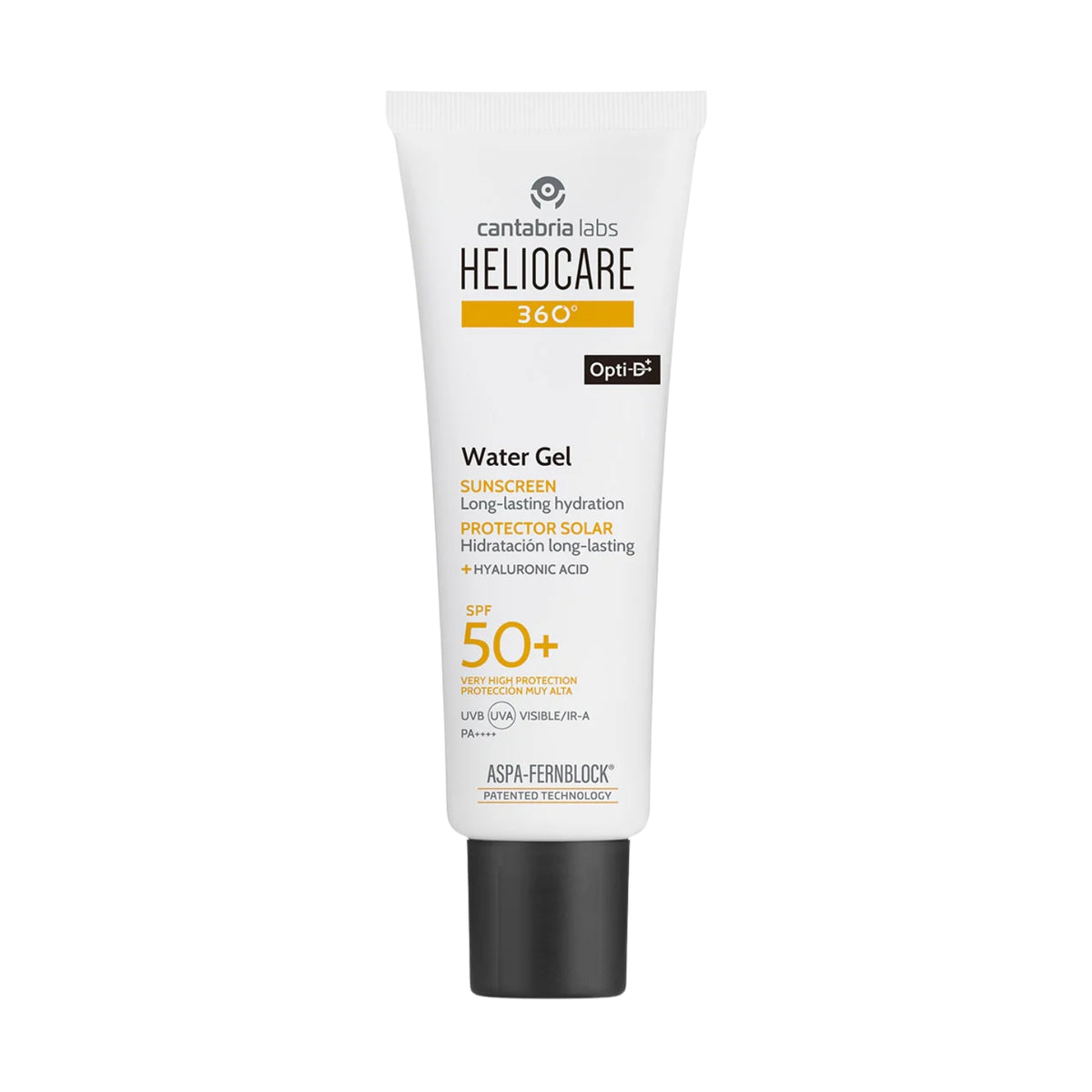
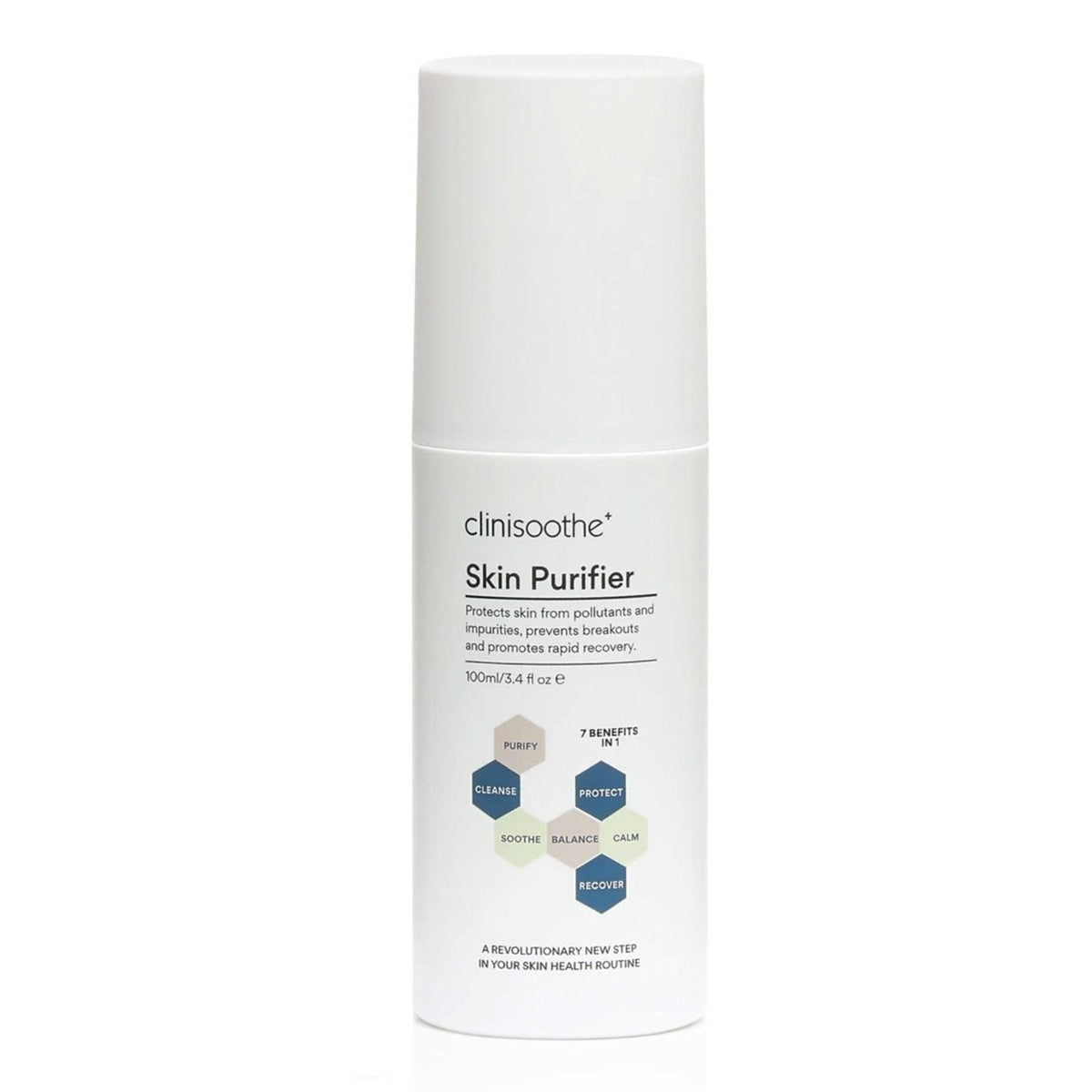
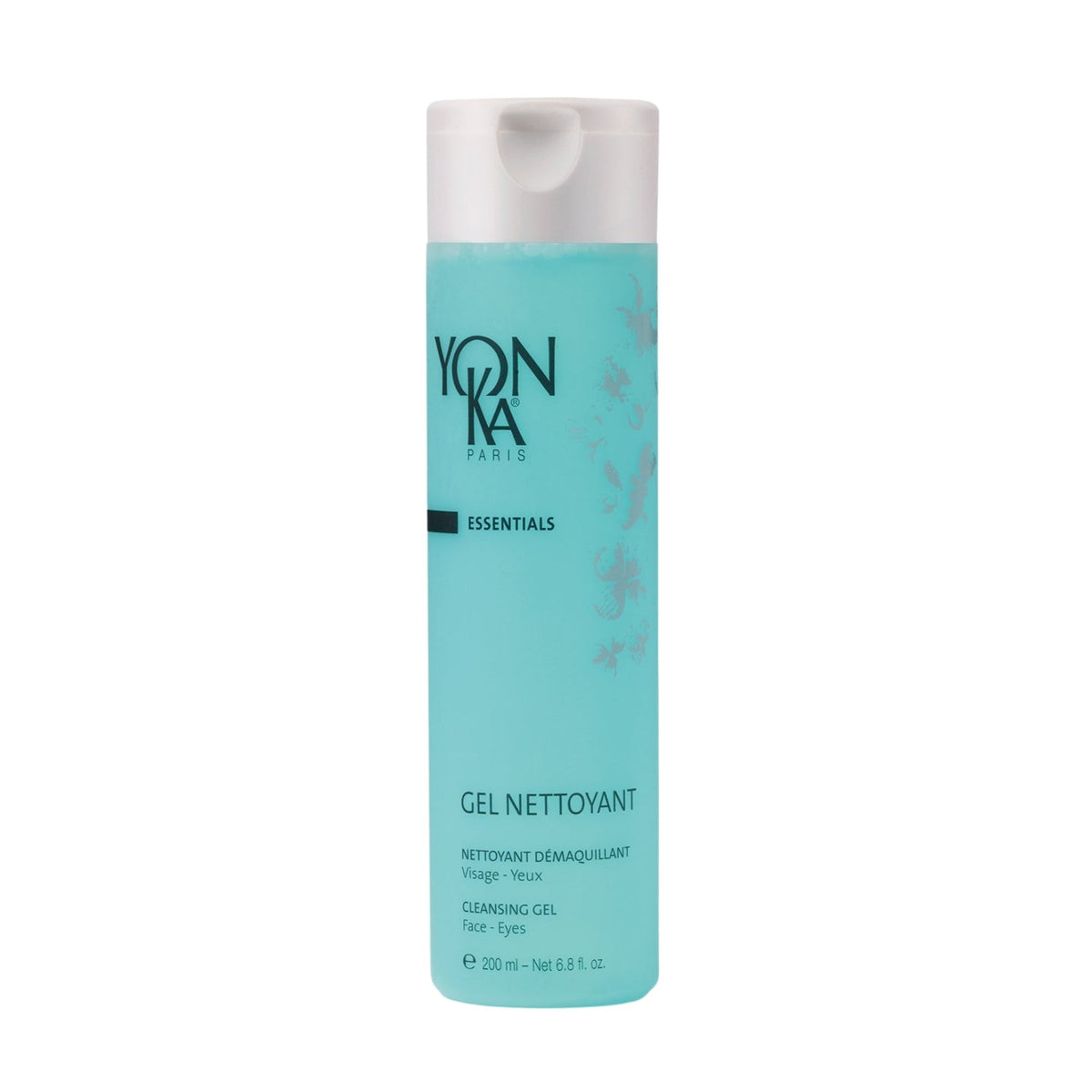
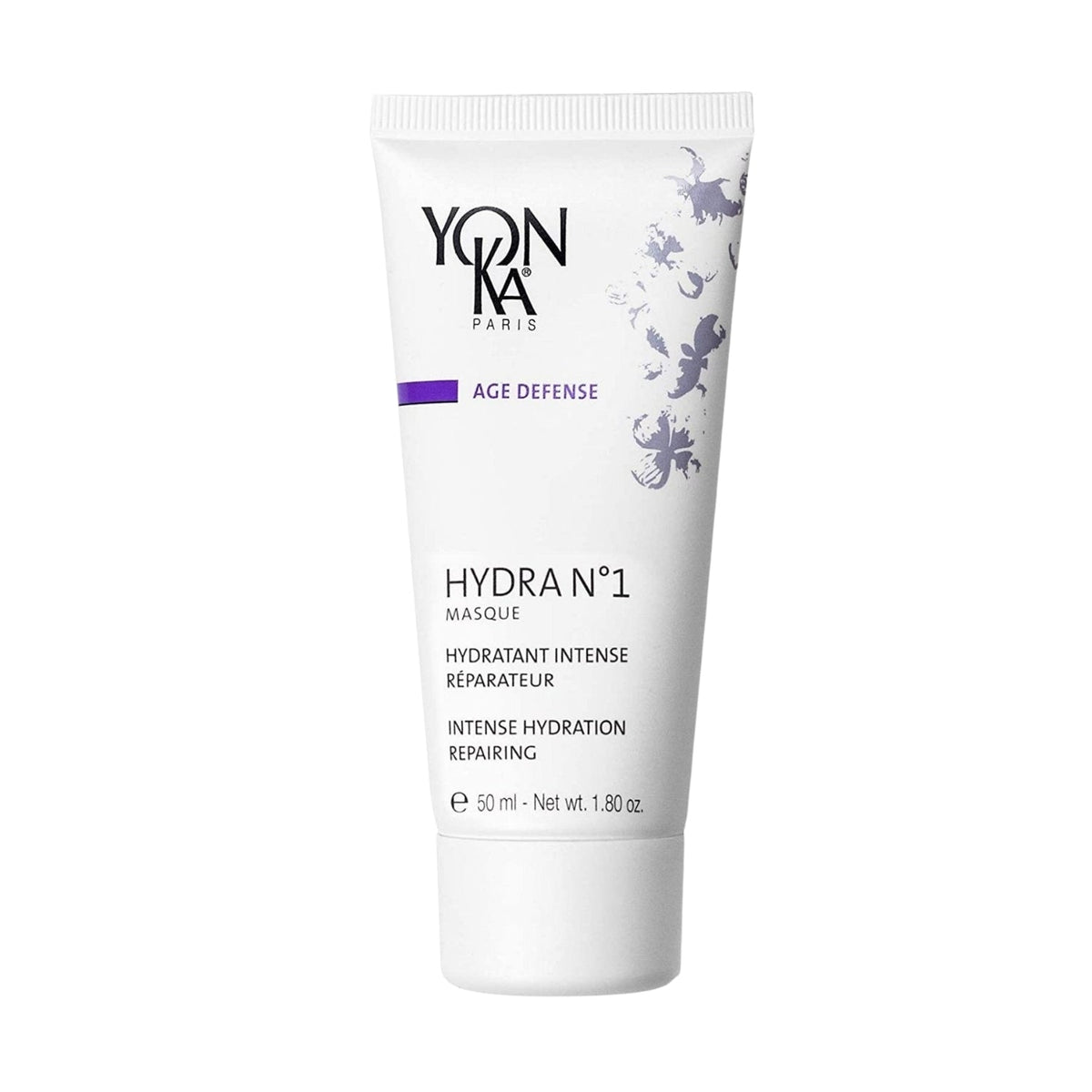
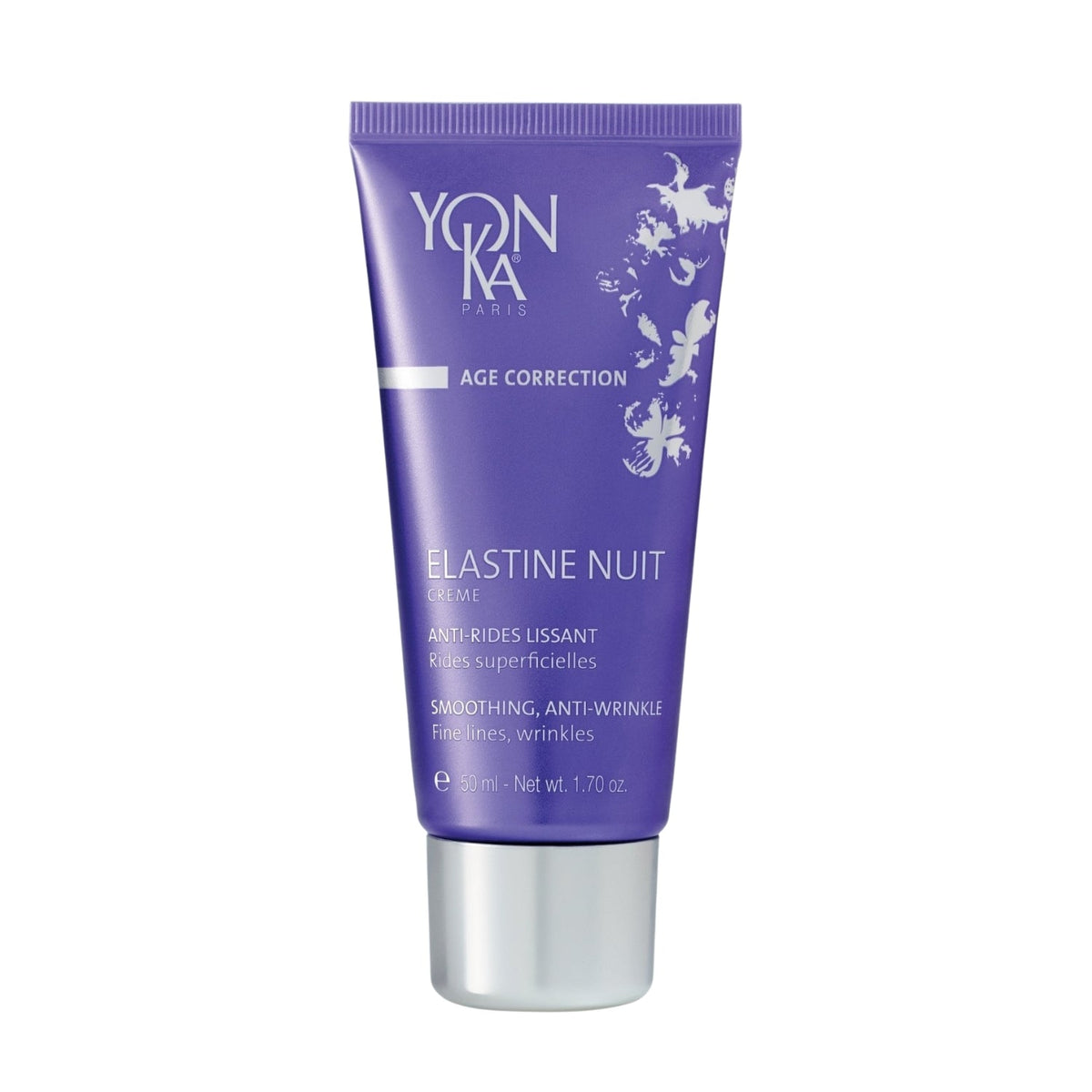
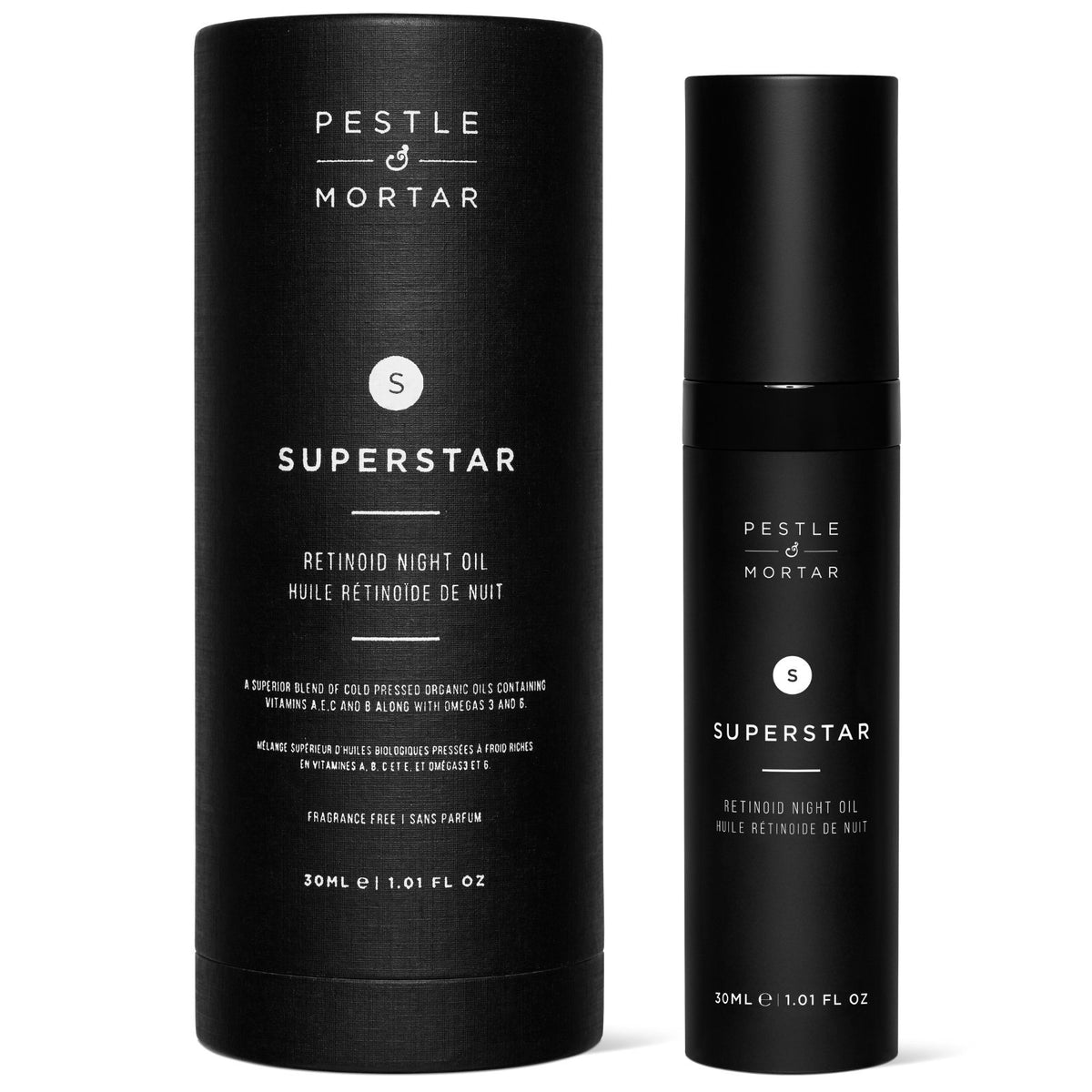
On this page that runs from Neostrata, Murad, Yonka Paris, DIBI Milano and Caudalie through to Allies of Skin, Skin Formulas, Melumé Skinscience, Pestle & Mortar, Heliocare, Doctrine, Rosalique, Seabody, Clinisoothe+, Revitalash, The Inkey List and CeraVe.

It is a wide range on purpose. A good niacinamide serum at fifteen euro and a peptide serum at a hundred and fifty are both doing real work, just at different levels of ambition.

How is this different from Clinical Skincare?

Both are active led and neither is a lesser version of the other. The split is about how the brands are set up.

  • Advanced Skincare is what you can pick up and work out yourself, built to be chosen without a professional in the room
  • Clinical Skincare is the professional side, brands normally sold through clinics and skin therapists, usually stronger and intended as a complete system

No product sits in both, so the two pages never show you the same thing twice. Plenty of people use one from each and there is no reason not to.

Where should I start?

Get the three boring ones right before buying anything interesting.

  • A cleanser that leaves your skin comfortable rather than squeaky
  • A moisturiser you will actually use twice a day
  • A sunscreen, every morning, which does more for how your skin ages than anything else on this page

Then add one treatment for whatever actually bothers you, and give it three months before judging it. One serum used properly beats four used occasionally, every time.

Is more expensive skincare actually better?

Sometimes, and not in the way the price suggests.

Where money genuinely buys something is formulation and stability. Vitamin C that has not oxidised in the bottle, a retinoid that is gentle enough to keep using, delivery that gets the ingredient somewhere useful, packaging that keeps air out. Those are real and they are not cheap to do well.

Where it buys nothing is a cleanser you rinse off after thirty seconds, or an expensive version of an ingredient that works perfectly well at ten euro. Niacinamide is niacinamide.

Spend on the treatment step and the sunscreen you will wear daily. Save on cleansers. That is why this page holds CeraVe and The Inkey List alongside brands ten times the price, and why we are not going to pretend the cheap ones are here to make up the numbers.

How many active products should I be using?

Fewer than you think. One antioxidant, one retinoid and one exfoliant across the whole routine is a full house for most people.

The trap is that actives hide inside products that are not sold as treatments. An acid in your cleanser, another in your toner, a retinal serum and a weekly exfoliant is four exfoliating steps, and skin will eventually object.

Go through what you own and write down what each one actually contains rather than what it is called. Most overloaded routines get better by removing something, not adding.

How long before I see results?

It depends entirely on what you are trying to change, and the honest timelines are longer than most packaging implies.

  • Hydration and how skin feels: days
  • Texture and general brightness: six to eight weeks
  • Breakouts: two to three months, often worse before better
  • Pigmentation and fine lines: three to six months, and only with daily sun protection

Take a photo in the same light on the day you start. Skin changes too slowly to notice in a mirror, which is why people abandon products that were working.