Filters
Sort by

Ceramides FAQs

What are ceramides and why does my skin need them?

Ceramides are fats that make up roughly half of your skin barrier. Think of skin cells as bricks and ceramides as the mortar holding them together.

When that mortar runs low, water escapes and irritants get in. That is the tight, flaky, stinging feeling you get after over exfoliating or a cold week.

Ceramide levels drop with age, with harsh cleansers, with hot water and in winter. Putting them back is one of the few genuinely simple fixes in skincare.

How do I know if my barrier is damaged?

The signs are consistent and easy to recognise.

  • Products that never used to sting now do
  • Skin feels tight right after cleansing and stays that way
  • Flaking or rough patches in places that are usually fine
  • Redness that does not settle
  • Breakouts alongside dryness, which feels contradictory but is not

The fix is usually less, not more. Stop the acids and the retinol, cleanse with something gentle and use a ceramide moisturiser twice a day for two weeks.

Which ceramide product should I choose?

Barrier repair lives mostly in moisturisers, and that is where this collection is strongest.

  • Dr. Althea 147 Barrier Cream and Dr.Reju-All All Advanced LC-Ceramide Barrier Cream are the straightforward barrier creams
  • Obagi Rebalance Skin Barrier Recovery Cream and Revision Skincare DermProtect Barrier Defense are the professional options
  • Medicube Hyaluronic Ceramide Jelly Cream and Anua 3 Ceramide Panthenol Moisture Barrier Cream suit skin that wants something lighter
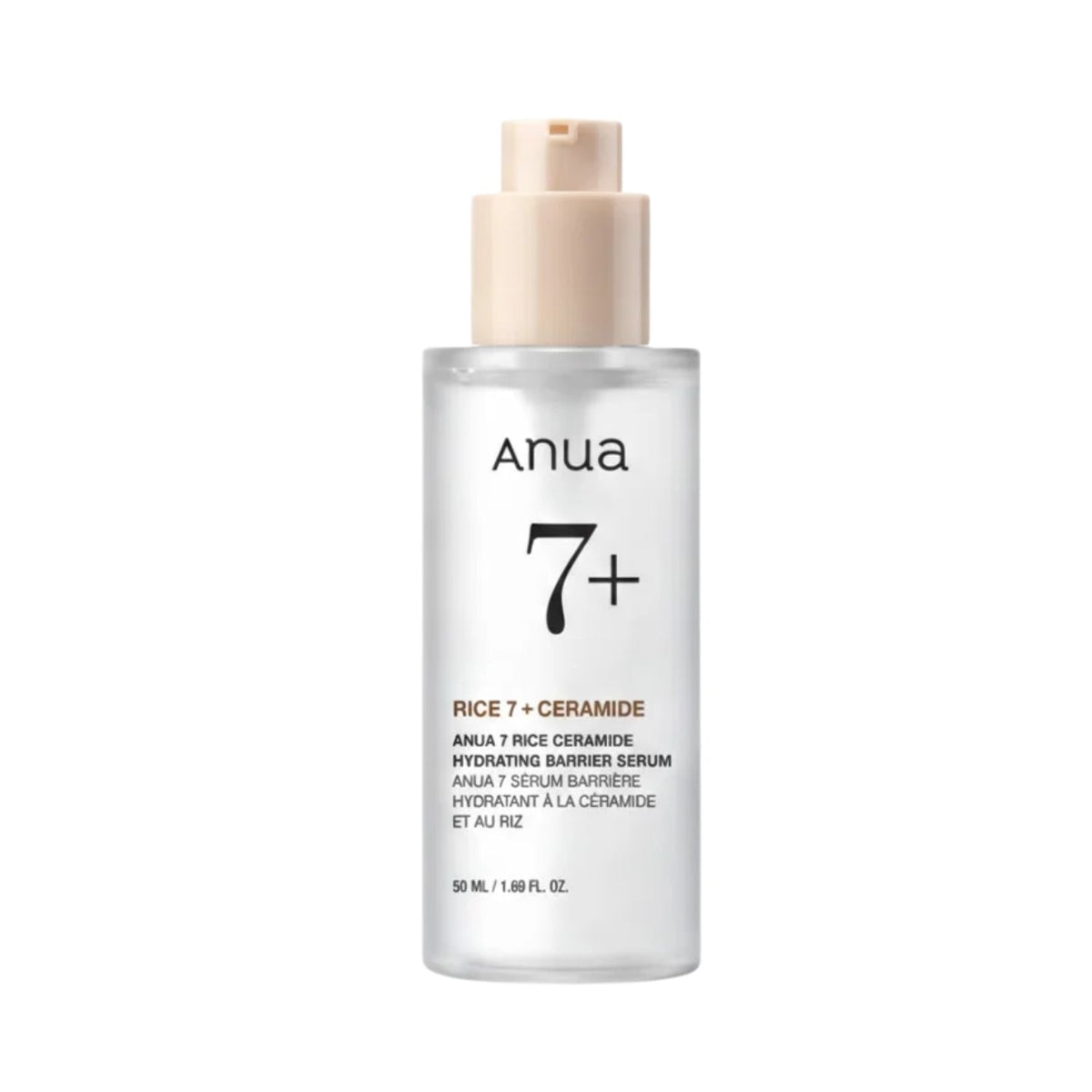
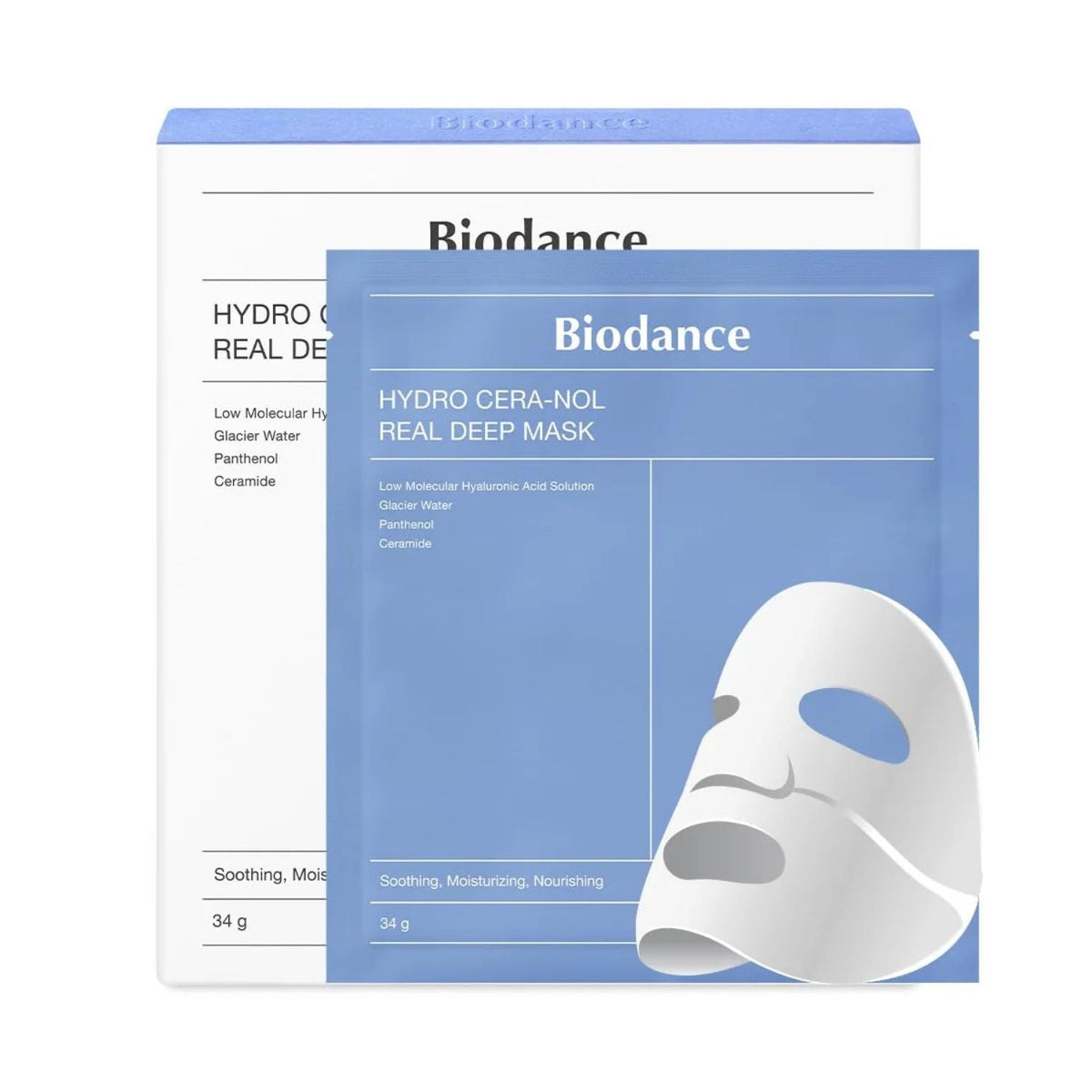
  • Anua 7 Rice Ceramide Hydrating Barrier Serum or Biodance Hydro Cera-Nol Serum if you prefer to layer a serum underneath
  • COSRX The Ceramide Skin Barrier Moisturizing Mist for topping up during the day

Can I use ceramides with retinol and acids?

Not just yes, but recommended. Ceramides are the thing that makes strong actives tolerable.

Apply your active first, wait a few minutes, then a ceramide moisturiser on top. Some people prefer to moisturise before the retinol as well, which buffers it further and is a good trick if you are struggling.

Medik8 Crystal Retinal Ceramide Eye builds both into one product, which is why it suits the thin skin around the eyes.

Are ceramides good for eczema and very dry skin?

They are the ingredient most often recommended for both, because barrier loss is central to what is going on.

Look for a thicker cream rather than a lotion, apply it within a few minutes of getting out of the shower while skin is still damp, and use it more often than you think you need to.

Ceramide skincare supports the skin but does not replace treatment. If you have persistent eczema, see your GP or a dermatologist.

Do I still need a moisturiser if my serum has ceramides?

Usually yes. A serum is mostly water based and evaporates. A moisturiser is what seals it in.

The exception is oily skin in summer, where a ceramide serum plus SPF can be enough during the day.

If you are dry or your barrier is struggling, use both. Serum, then cream. Do not skip the cream because the serum felt nice.