

Three serums, one face, four minutes each morning. That is the actual arithmetic behind most SkinCeuticals routines, and it has almost nothing to do with the ingredients themselves. Get the order wrong and even the best formulas end up sitting on top of each other, doing half the job they are capable of.
Layering SkinCeuticals serums properly comes down to understanding what each product is actually for, then applying that logic in the right sequence. Once that clicks, the guesswork disappears entirely.
The bit nobody explains properly
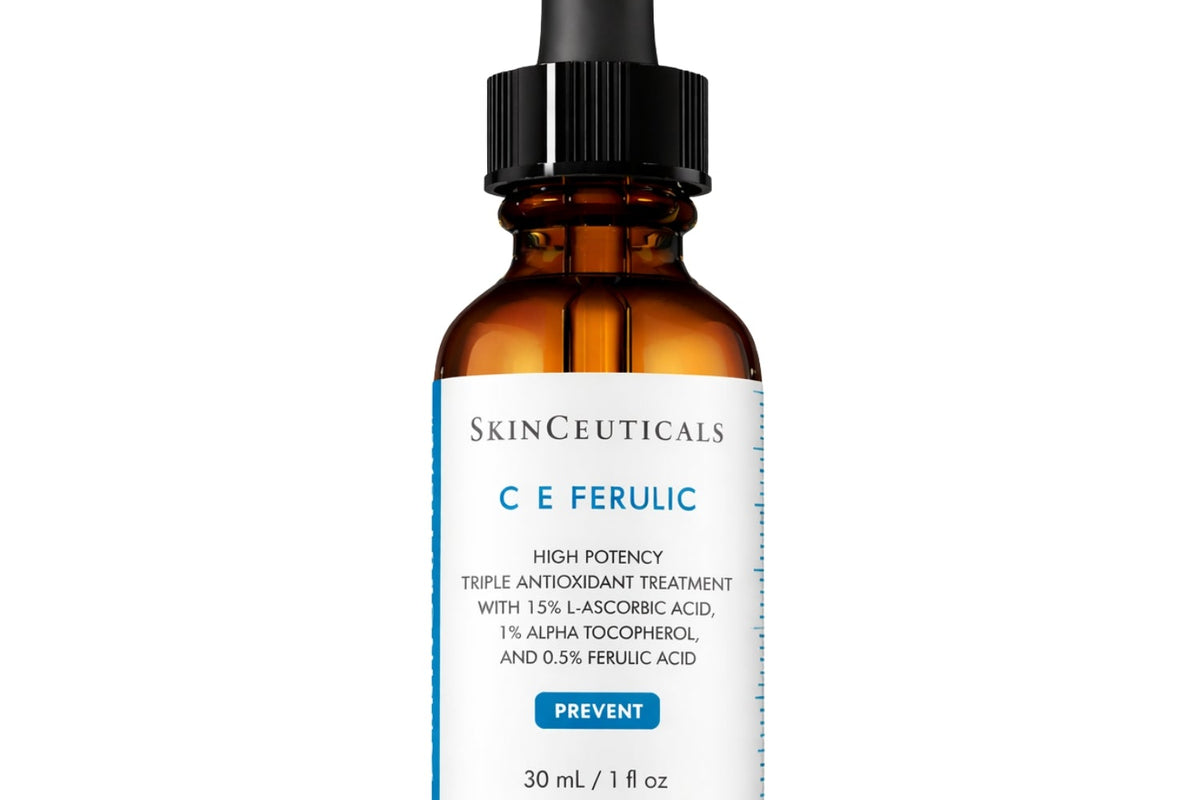
SkinCeuticals built its entire range around three jobs. Prevent, correct, protect. An antioxidant serum like C E Ferulic is doing preventive work, quietly absorbing the damage that pollution and daylight throw at your skin before it has a chance to accumulate. A corrective serum such as Discoloration Defense is there to argue with a specific complaint, in this case uneven pigmentation. Something like Triple Lipid Restore 2:4:2 sits at the protective end, rebuilding the barrier that the other two steps rely on to actually work.
Treat all three as one undifferentiated pile of serums and you end up with pilling, patchy absorption and skin that feels irritated for reasons that have nothing to do with the ingredients themselves. Understand the hierarchy and the whole routine stops fighting itself.

The rule that actually matters | Layering SkinCeuticals
Forget potency for a moment. Texture is what decides the order. Thinnest first, thickest last, every time.
Cleanse and tone, because nothing absorbs properly through leftover residue. Then reach for the antioxidant, since it is the lightest, most water like layer and it needs to sit closest to the skin to do its job all day. A corrective serum comes next, once the antioxidant has had a minute to settle in. Anything richer, anything designed to reinforce the barrier, goes on last, precisely because it is meant to sit on top and seal everything underneath it. Moisturiser follows, and in daylight hours, SPF closes the whole thing out.
Most dermatologists will tell you the same thing when it comes to volume. Two to three serums is the ceiling. Past that point you are not layering skincare, you are just stacking bottles.
Building a routine that actually earns its shelf space
Morning starts with choosing one antioxidant, and the choice should come down to your skin rather than whichever bottle happens to be closest. C E Ferulic is the one for normal to dry skin chasing brightness and firmness, built on a trio of vitamin C, vitamin E and ferulic acid, the last of which stabilises the vitamin C so it does not lose potency the moment it meets light and air. Phloretin CF takes the same antioxidant premise and gives it a lighter, more refining finish for oily or blemish prone skin. If pollution exposure and oil control are the priority, especially in a city like Dublin, Silymarin CF brings milk thistle extract into the equation for its own antioxidant and oil regulating effect.
If your skin is asking for hydration underneath all of that, Hydrating B5 Gel does the quiet work of drawing moisture in through hyaluronic acid while vitamin B5 supports the barrier, sitting comfortably beneath a corrective step without getting in its way.
For pigmentation specifically, Discoloration Defense slots in after the antioxidant and before moisturiser, using tranexamic acid and niacinamide to soften uneven tone with consistent use rather than overnight drama.
SPF is not optional, particularly through an Irish summer that likes to surprise you. Advanced Brightening UV Defense Sunscreen SPF50 pairs broad protection with tranexamic acid for anyone already treating pigmentation, while Ultra Facial UV Defense SPF50 is the more universal, lightweight option for daily wear.
Evenings shift the cast of characters entirely. Retinol 0.3 is a considered entry point into retinol, best used on alternate nights if an exfoliating acid is also in rotation, since running both every night is how irritation creeps in. On the nights retinol sits out, Glycolic 10 Renew Overnight exfoliates gently at a low pH built for nightly tolerance. Close the evening with Triple Lipid Restore 2:4:2, replenishing ceramides, cholesterol and fatty acids while you sleep, doing the barrier repair work that makes every other step in the routine worth the effort.

Can you mix SkinCeuticals with other brands
Nobody's shelf is one brand deep, and it does not need to be. The rule that matters when mixing SkinCeuticals with something like Medik8, Obagi or Revision is not about brand loyalty. It is about avoiding duplicate actives fighting for the same job.
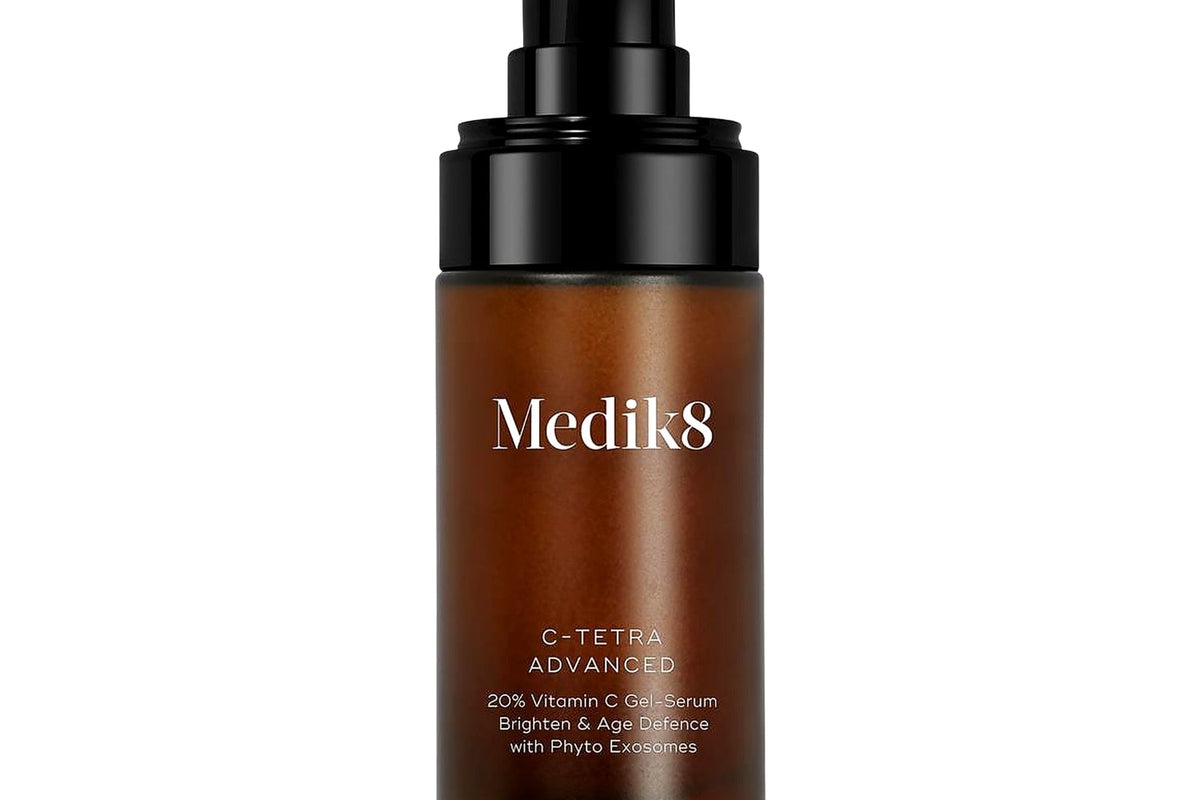
The most common overlap is vitamin C. If C E Ferulic or Phloretin CF is already handling your morning antioxidant step, there is no need to add Medik8 Super C Ferulic or Revision Vitamin C Lotion on top. Pick one high strength vitamin C serum and let it do its job properly rather than running two versions of the same active against each other.
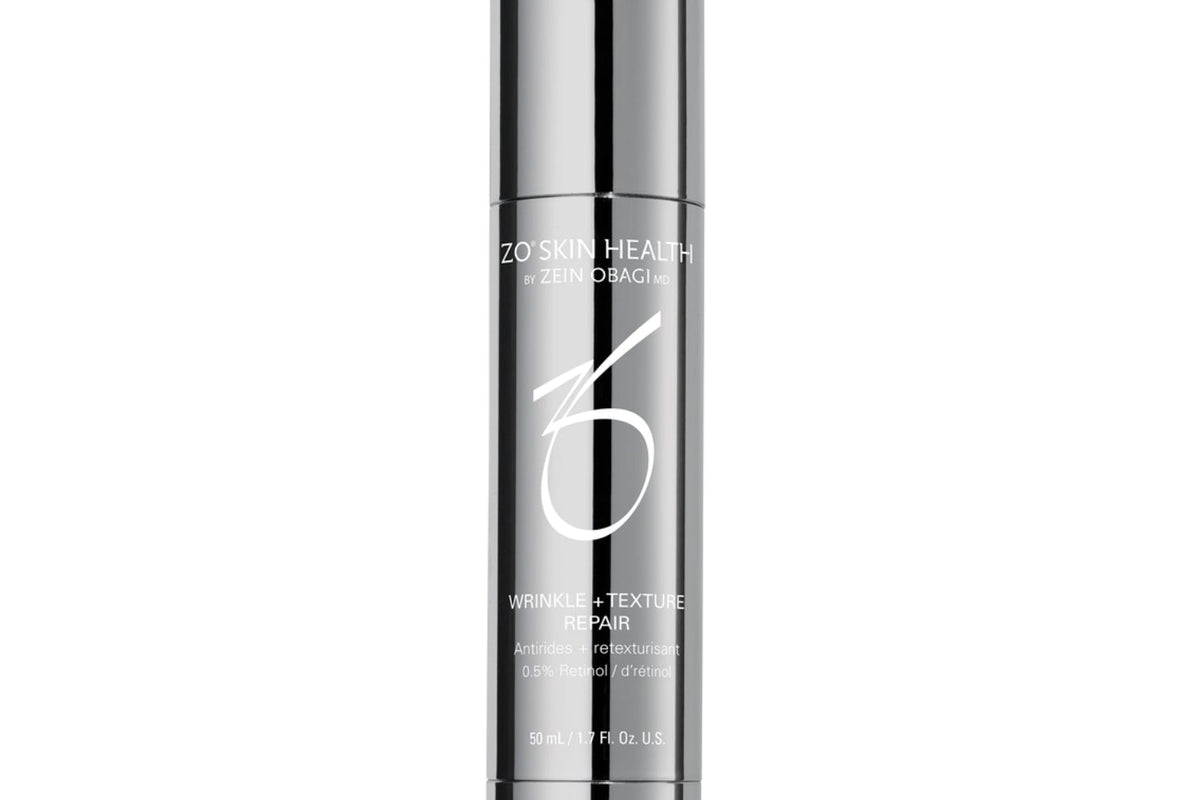
Retinoids are the other place people double up without realising. If you are using SkinCeuticals Retinol 0.3 at night, that is your retinoid step, full stop. If you would rather explore retinaldehyde instead, which converts to retinoic acid in fewer steps than retinol and tends to feel gentler on the way there, Medik8 Crystal Retinal is a considered swap rather than an addition. Revision's D.E.J Night Face Cream carries its own time released retinol too, so the same rule applies there. Choose one retinoid family and stay with it, since layering two forms of vitamin A in the same routine is a fast route to irritation regardless of how well tolerated each one is individually.
Hydration is the safest place to mix brands freely, since a hydrating serum is not competing with an active, it is supporting one. Obagi Daily Hydro-Drops, built around niacinamide, layers easily under a SkinCeuticals corrective serum, and the same goes for Medik8 Hydr8 B5 Intense or Revision's Hydrating Serum, all of which slot into the thinnest layer of a routine without stepping on anything else.
Revision Skincare has just landed on SkinShop.ie, and it brings its own distinct strength to the table with D.E.J Daily Boosting Serum, a peptide and resveratrol formula built around reducing the visible effects of glycation, which is a natural process where sugar molecules bind to collagen and make skin look less supple over time. If firmness and elasticity are the goal rather than pigmentation or hydration, this is where Revision earns its place alongside SkinCeuticals rather than in competition with it.
The principle stays the same no matter how many brands are involved. One antioxidant, one retinoid or exfoliating acid, one barrier step. It does not matter which brand each one comes from, only that nothing is doing the same job twice.
The mistakes that quietly undo good products
Mixing serums together in your palm feels efficient. It also risks destabilising the actives and shifting their pH, undoing formulation work that took considerably longer than the five seconds you spent blending them. Vitamin C and retinol in the same routine is another familiar misstep. Keep vitamin C for daylight hours and retinol for night, rather than asking both to share the same five minutes. And the wait between layers matters more than people assume. A minute or two of patience is usually the difference between absorption and pilling.

The takeaway
Layering SkinCeuticals serums well has very little to do with how many bottles are on the shelf. Choose one antioxidant, add a corrective serum only if you need one, finish with something that protects the barrier, and apply it all thinnest to thickest. The routine does the rest.
Can I use two SkinCeuticals antioxidant serums in the same routine?
There is no need. One antioxidant suited to your skin type is doing the job already, and stacking several only raises the odds of irritation without adding real protection.
Should vitamin C and retinol be used on the same day?
Keep them apart. Vitamin C belongs to daylight hours for environmental defence, while retinol is strictly a night time active, so alternating rather than combining is the safer route.
How long should I wait between layering serums?
A minute or two per layer is enough. It is also the step most people skip, which tends to be the real cause of pilling.
Do I need a corrective serum from the very start?
Not immediately. Begin with one antioxidant and one barrier supporting product, then bring in a corrective serum once your skin has settled into the routine.
Can an exfoliating serum sit alongside retinol?
Not on the same night. Rotate them across the week so both actives earn their place without compounding irritation.
What should go on last?
Whatever is thickest and most occlusive, whether that is a barrier repair serum or your moisturiser, followed by SPF each morning.


