Filters
Sort by

Redness & Rosacea: Serums FAQs

What causes facial redness?

Several different things, and they need different answers, which is why one product rarely fixes it.

  • A damaged barrier from over cleansing, over exfoliating or harsh weather. Redness comes with tightness and stinging
  • Rosacea, where blood vessels near the surface flush easily and the redness becomes persistent
  • Reactive or sensitised skin responding to a specific product or ingredient
  • Inflammation after blemishes, which leaves pink marks that fade slowly

If the redness is persistent, comes with visible vessels or small bumps, or flushes hard with heat and alcohol, it is worth seeing a GP or dermatologist. Rosacea responds well to treatment and skincare alone will not do it.

Which serum should I choose?

Match the serum to what is actually driving the redness.

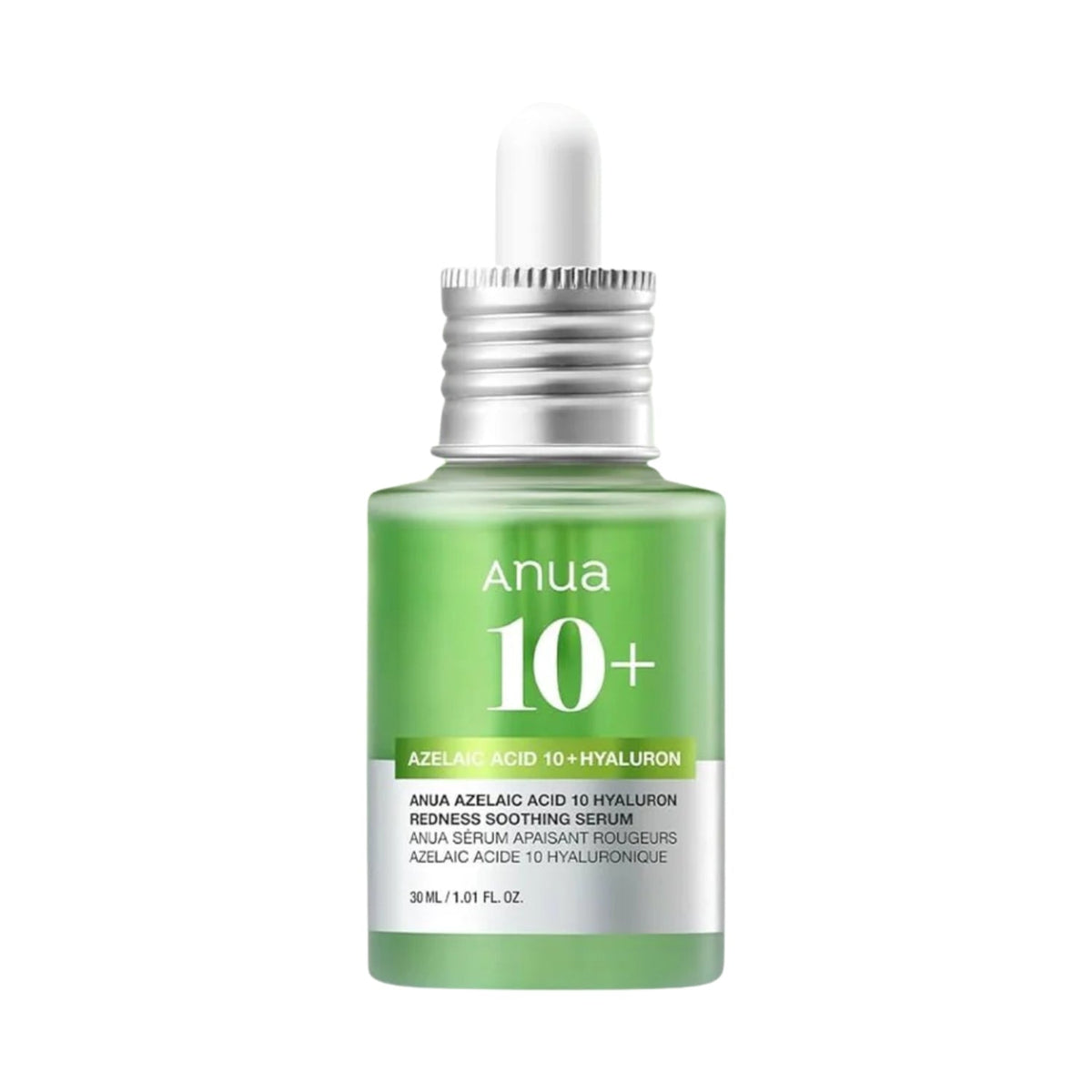
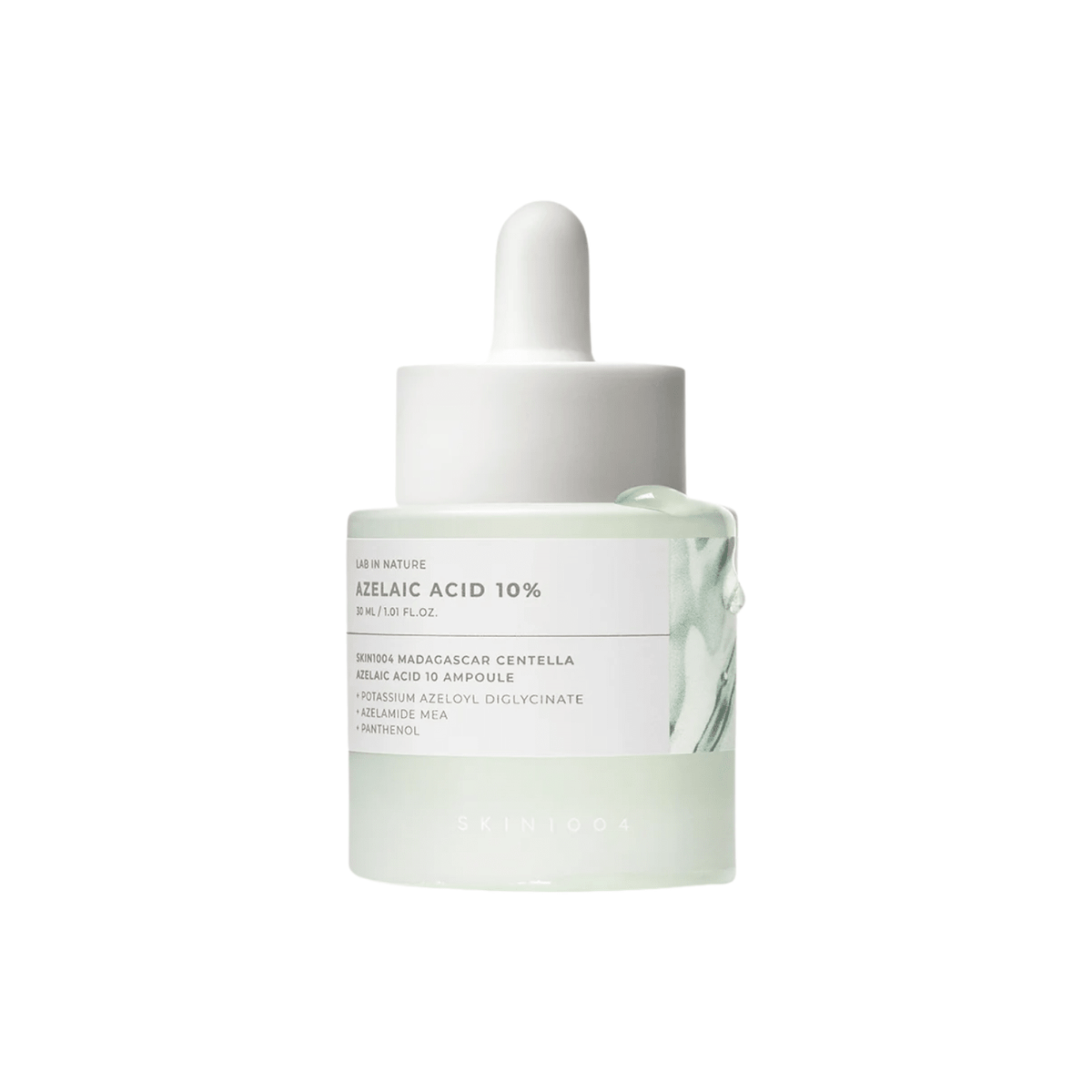
  • Azelaic acid is the best evidenced ingredient for rosacea type redness. Anua Azelaic Acid 10 Hyaluron Redness Soothing Serum is the option here
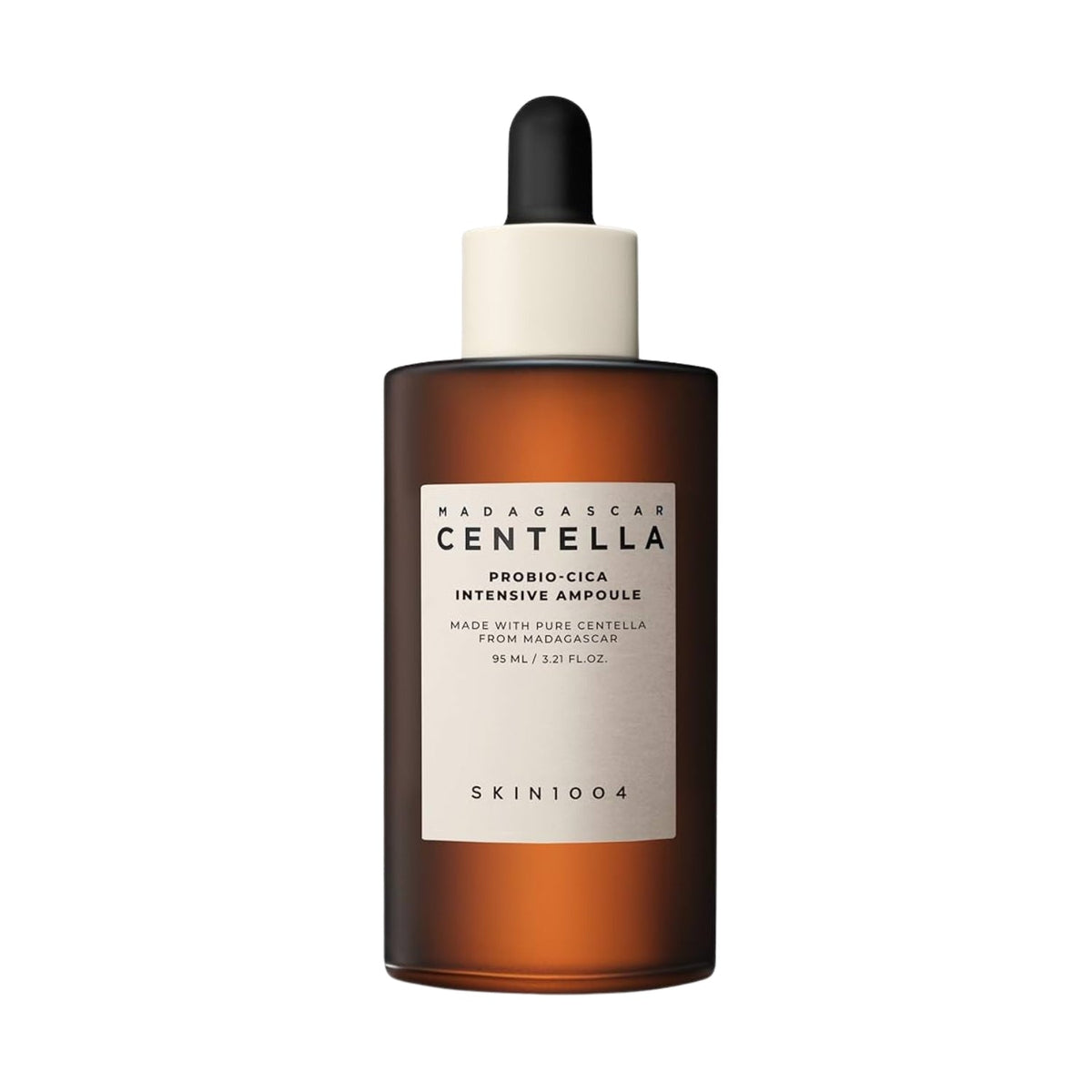
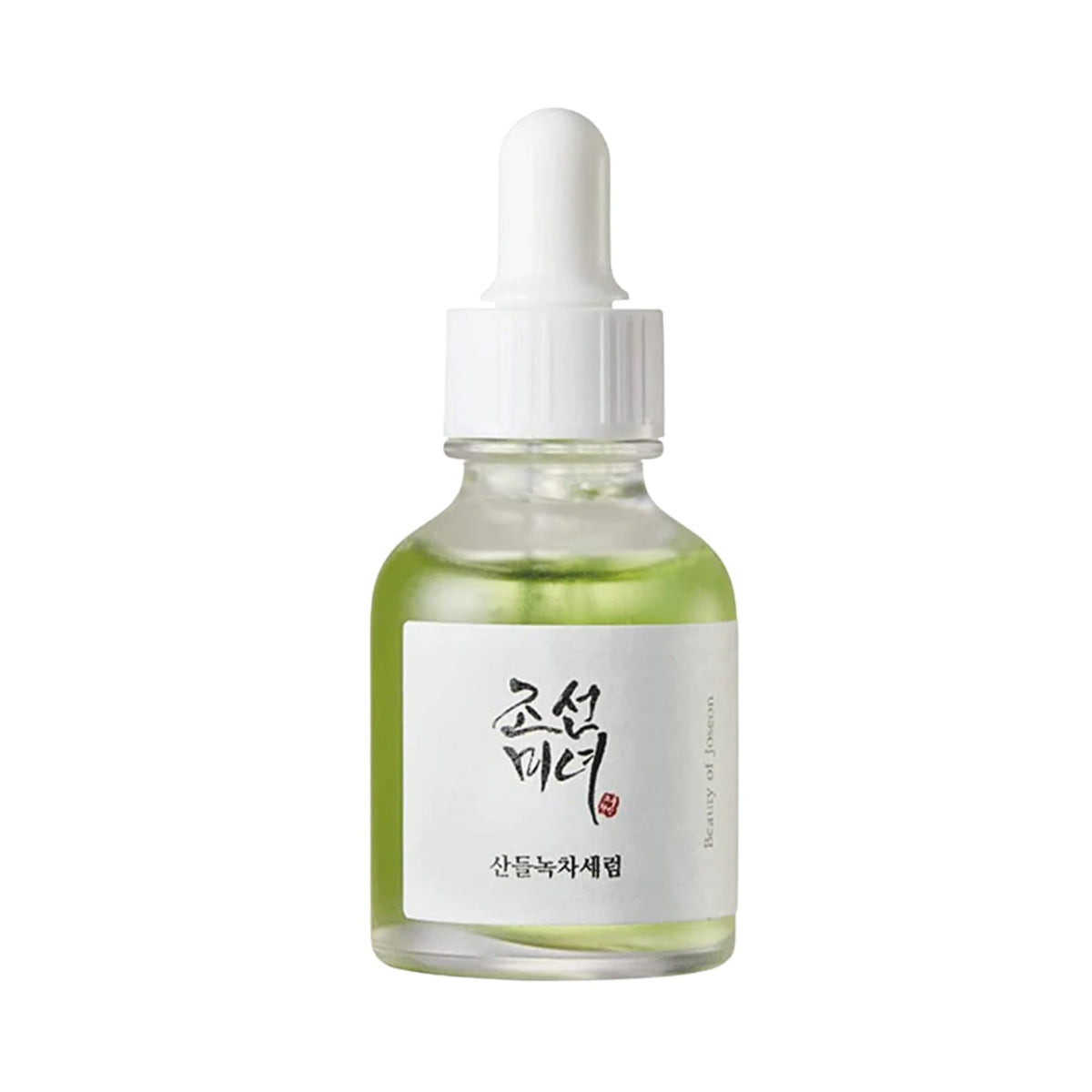
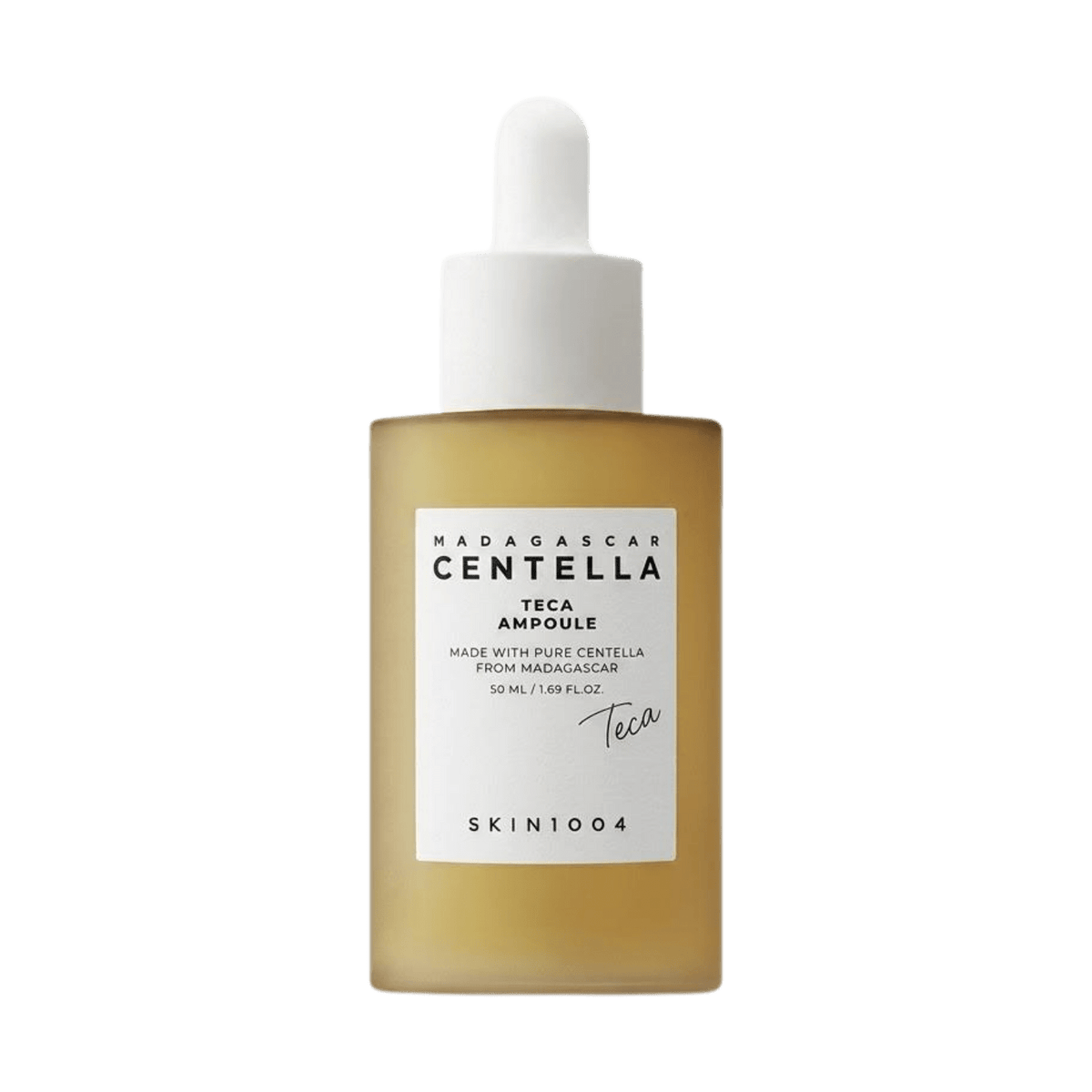
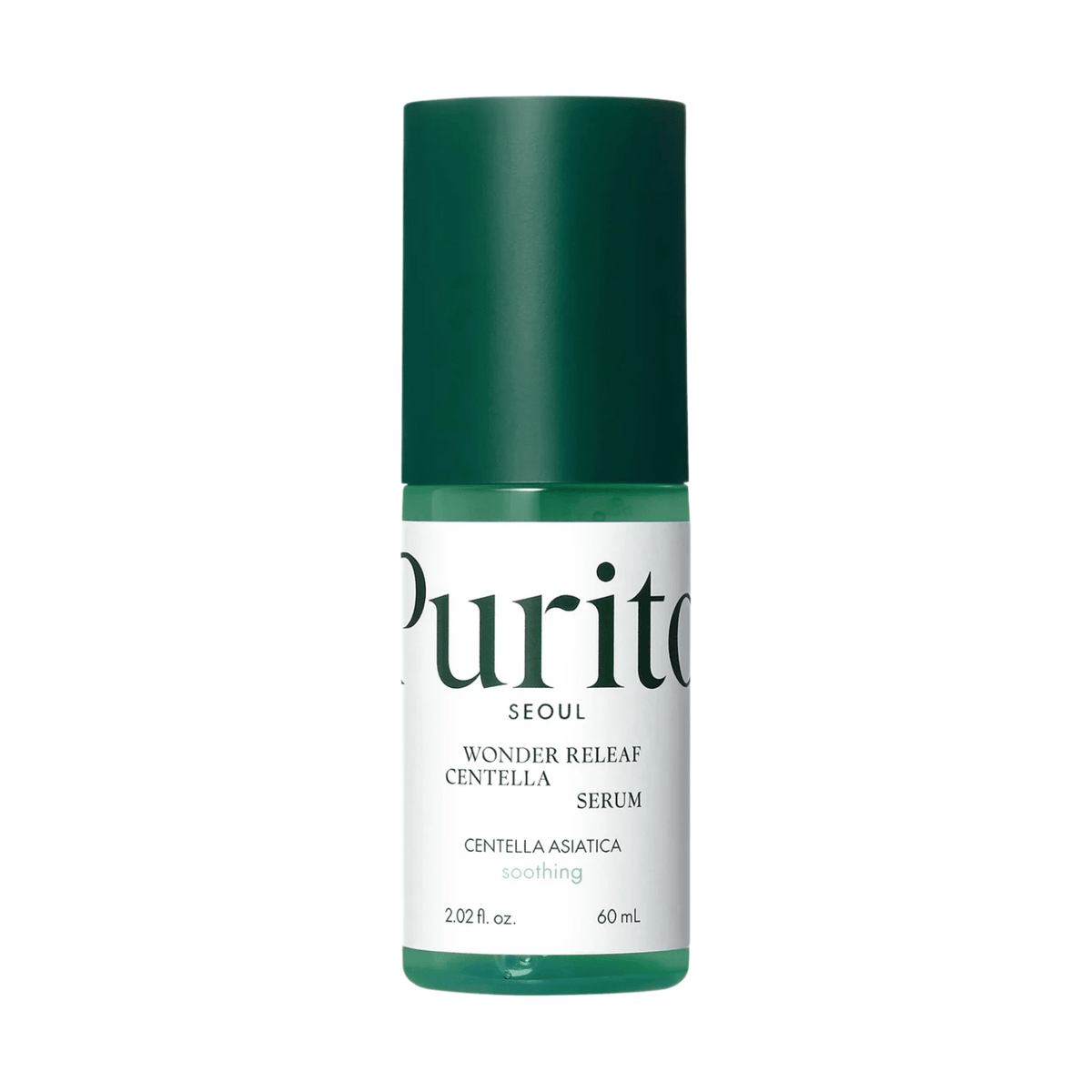
  • Centella calms a sensitised barrier. SKIN1004 Madagascar Centella Ampoule, SKIN1004 Madagascar Centella Teca Ampoule and Beauty of Joseon Calming Serum all use it
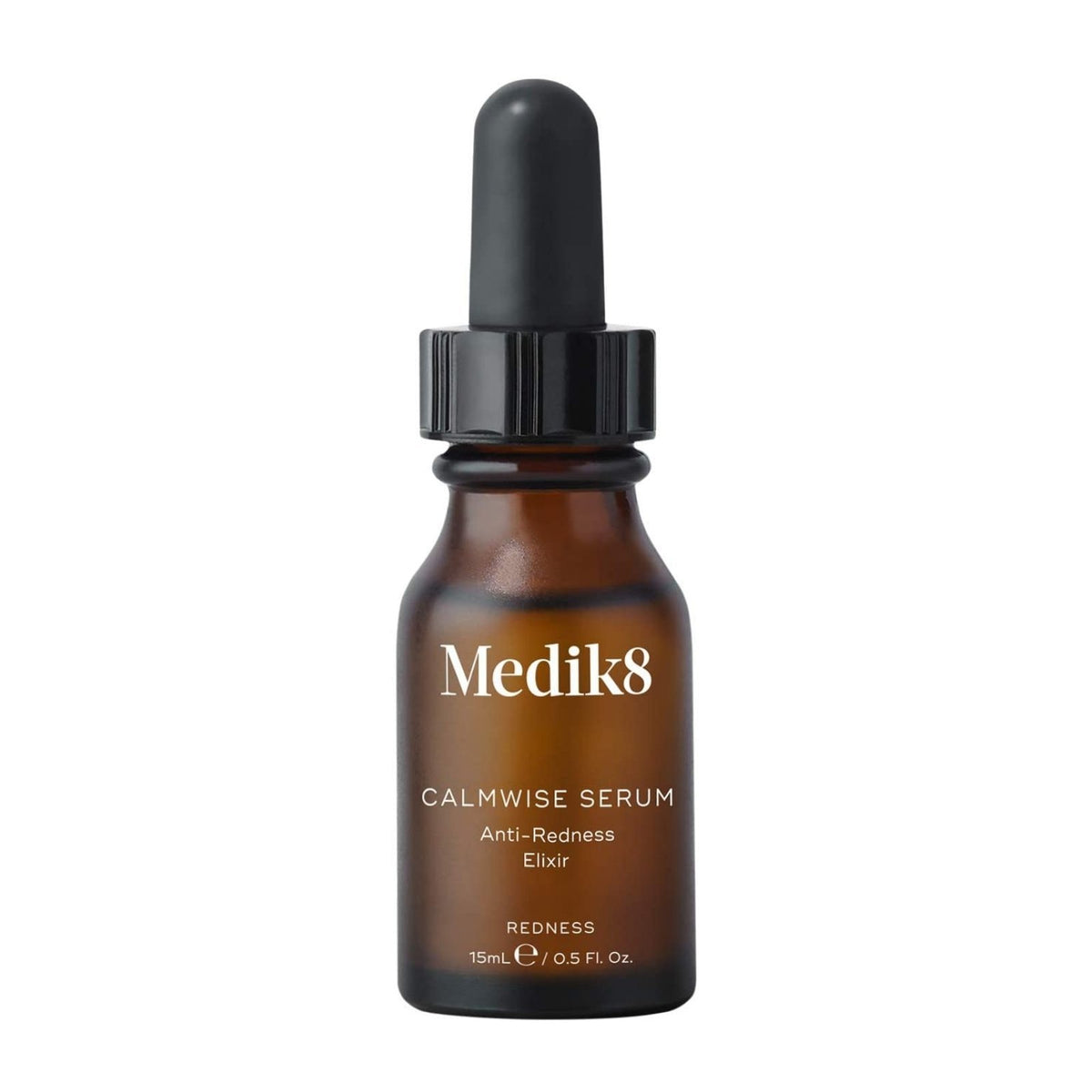
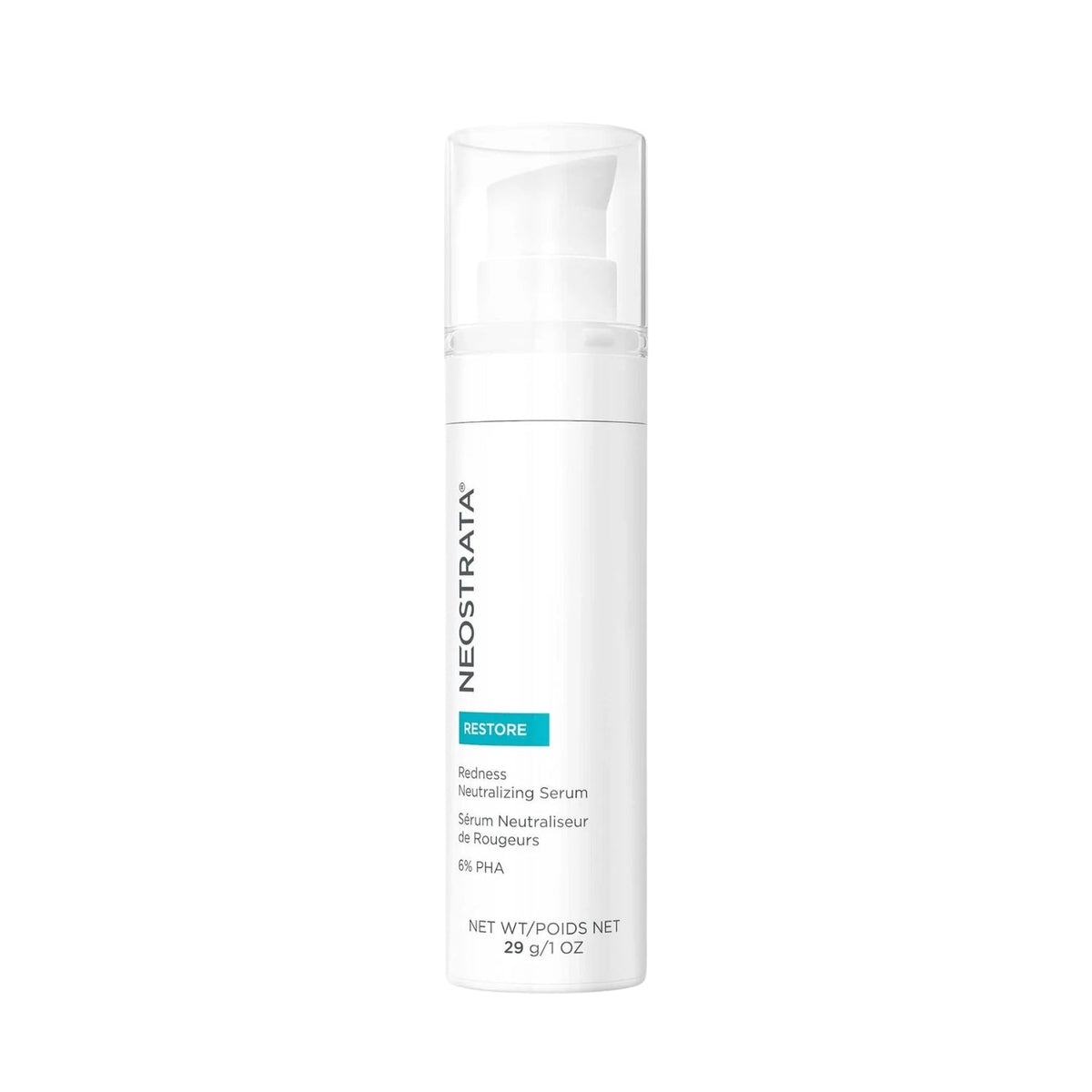
  • Colour neutralising formulas visibly reduce the look of redness while treating it. Medik8 Calmwise Serum and Neostrata Redness Neutralizing Serum work this way
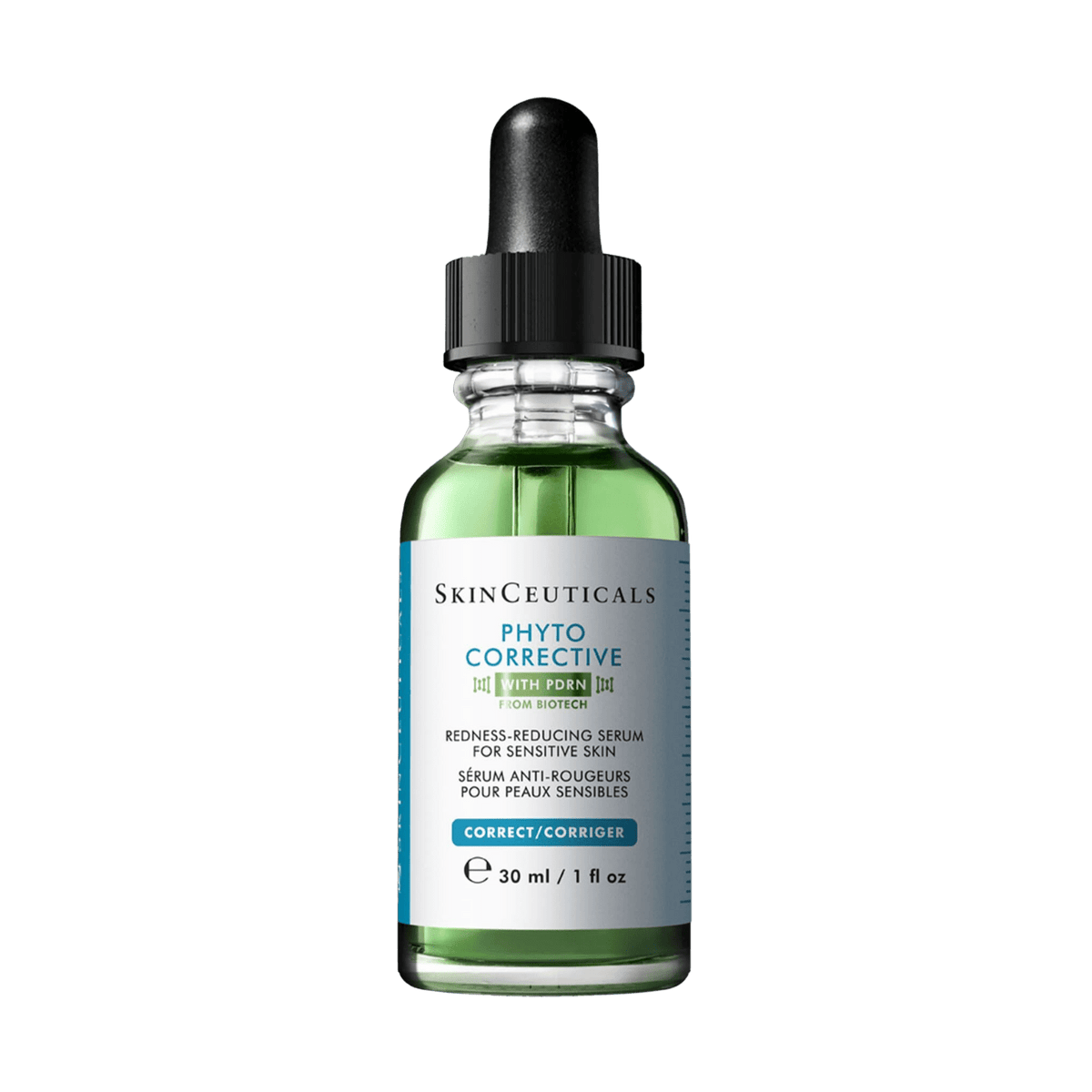
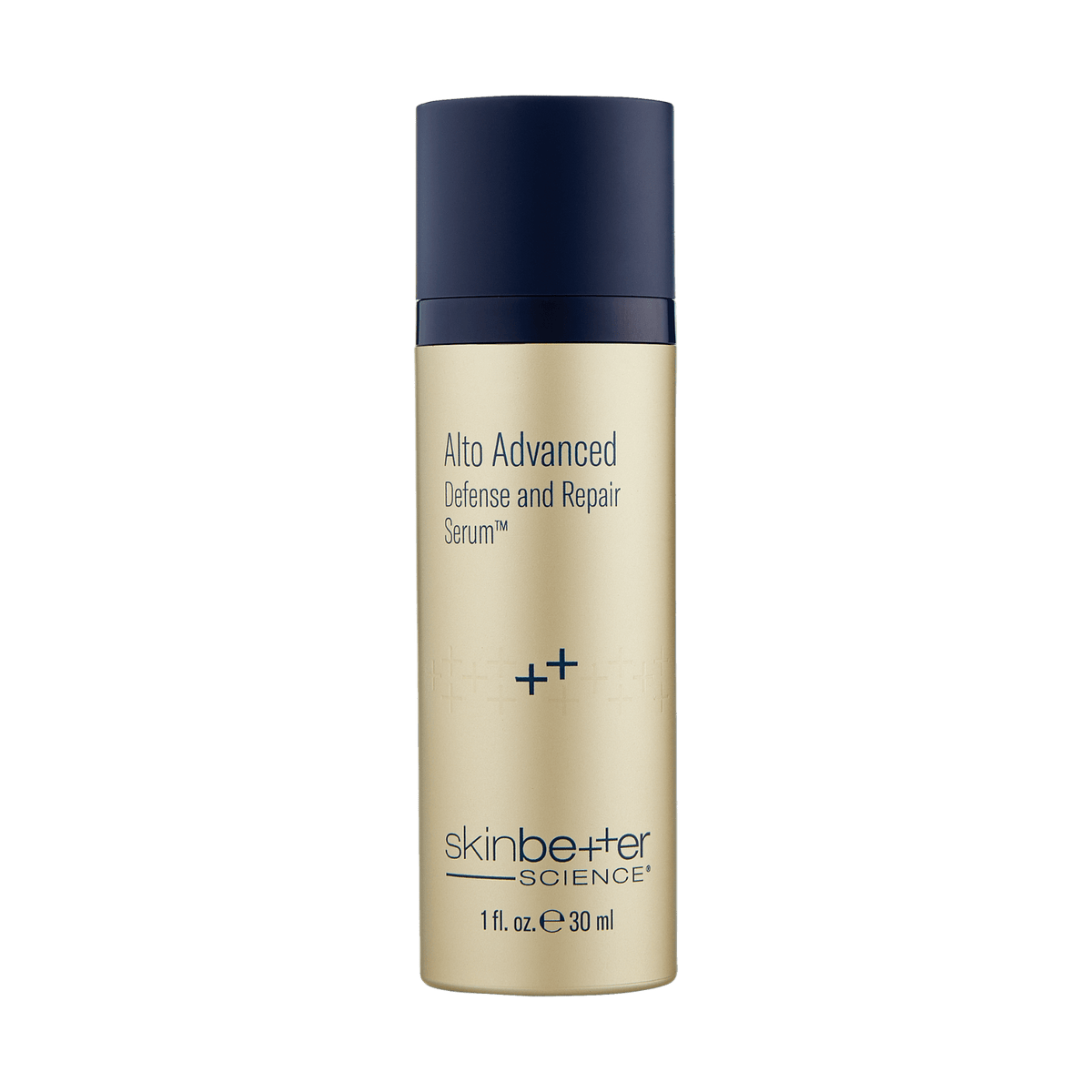
  • Antioxidant and repair options like SkinCeuticals Phyto Corrective with PDRN from Biotech Serum and Skinbetter Science Alto Defense Serum take a broader approach
  • ZO Skin Health Rozatrol is the professional option built specifically for redness prone skin

What is azelaic acid and why is it recommended so often?

It is a gentle acid that reduces inflammation, calms redness and helps with blemishes and pigmentation at the same time. Unusually for an acid, it does not exfoliate aggressively.

It has the strongest research behind it of anything you can buy over the counter for rosacea type redness, and dermatologists reach for it first.

Start every other night and build to daily. It can tingle for the first week or two, which usually settles. If it burns rather than tingles, that is too much.

What should I avoid if my skin is red?

Most of the fix is subtraction rather than addition.

  • Physical scrubs and cleansing brushes
  • Hot water, in the shower and at the sink
  • High strength AHAs and strong retinoids while the skin is inflamed
  • Alcohol heavy toners and anything with a strong fragrance
  • Layering four new products at once, which makes it impossible to tell what caused a flare

Lukewarm water, a gentle cleanser, one calming serum and a good moisturiser will do more in a month than a cupboard of products.

How long before redness improves?

A sensitised barrier usually settles in two to four weeks once you stop irritating it. That one is quick.

Rosacea type redness takes longer. Give azelaic acid eight to twelve weeks of consistent use before you judge it, and expect improvement rather than a cure.

Pink marks left behind by blemishes fade over months regardless of what you use. SPF makes a real difference to how fast.

Do I still need SPF if my skin is red and reactive?

More than ever. UV is one of the biggest triggers for flushing and it makes every kind of redness worse over time.

A mineral SPF suits reactive skin best, since the filters sit on the surface rather than absorbing. Look for one that is fragrance free.

If sunscreen stings, the problem is usually the barrier underneath rather than the sunscreen. Spend two weeks on gentle cleansing and a barrier cream, then try again.