Filters
Sort by

Barrier Repair Moisturisers FAQs

What is the skin barrier and how do I know if mine is damaged?

The barrier is the outermost layer of your skin, a mix of cells and the fats between them. Its job is keeping water in and irritants out.

You know it is struggling when products that never used to sting start to, when skin feels tight straight after cleansing, when you get flaking in places that are usually fine, or when you break out and feel dry at the same time.

The usual causes are over exfoliating, too much retinol too fast, hot water, harsh cleansers and cold weather. Often several at once.

Which moisturiser should I choose?

Pick by how heavy you want it and how damaged the skin is.

  • Everyday repair: Dr. Althea 147 Barrier Cream, Dr.Reju-All All Advanced LC-Ceramide Barrier Cream or Anua 3 Ceramide Panthenol Moisture Barrier Cream
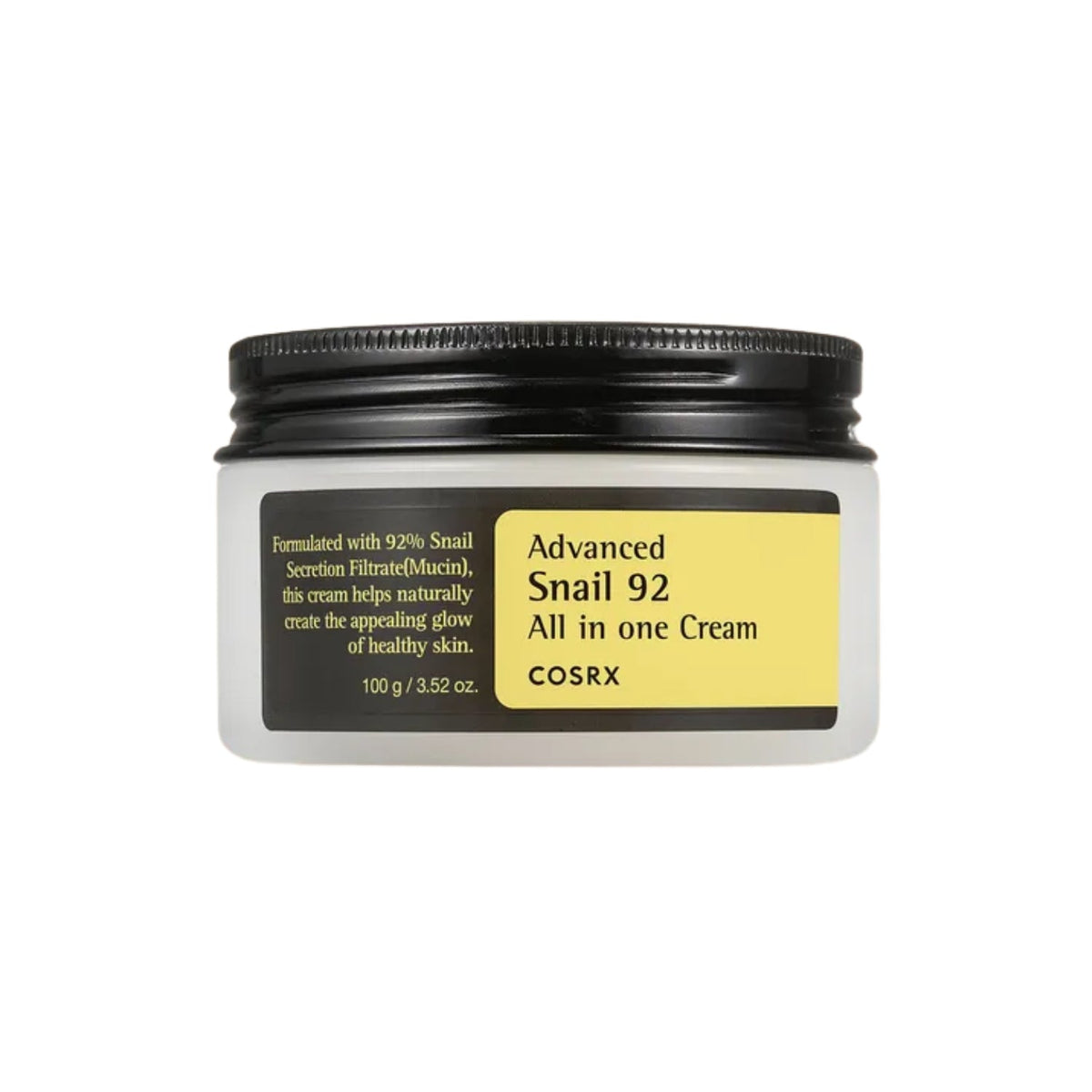
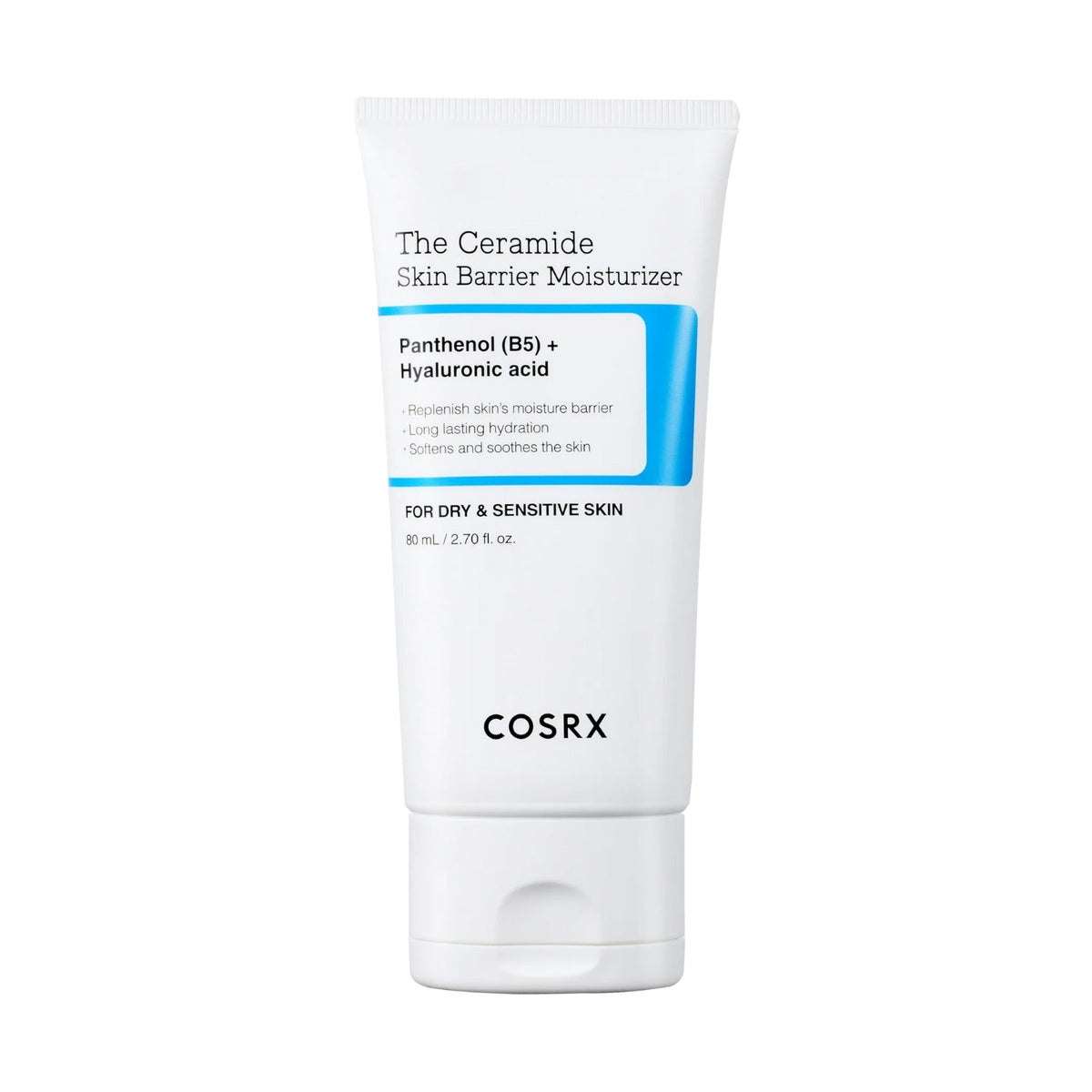
  • Lighter texture: Medicube Hyaluronic Ceramide Jelly Cream or COSRX The Ceramide Skin Barrier Moisturizer
  • Professional strength: Obagi Rebalance Skin Barrier Recovery Cream, SkinCeuticals Epidermal Repair Cream or Revision Skincare DermProtect Barrier Defense
  • Very compromised skin: iS Clinical SHEALD Recovery Balm or Image Skincare MD Barrier Repair Recovery Balm
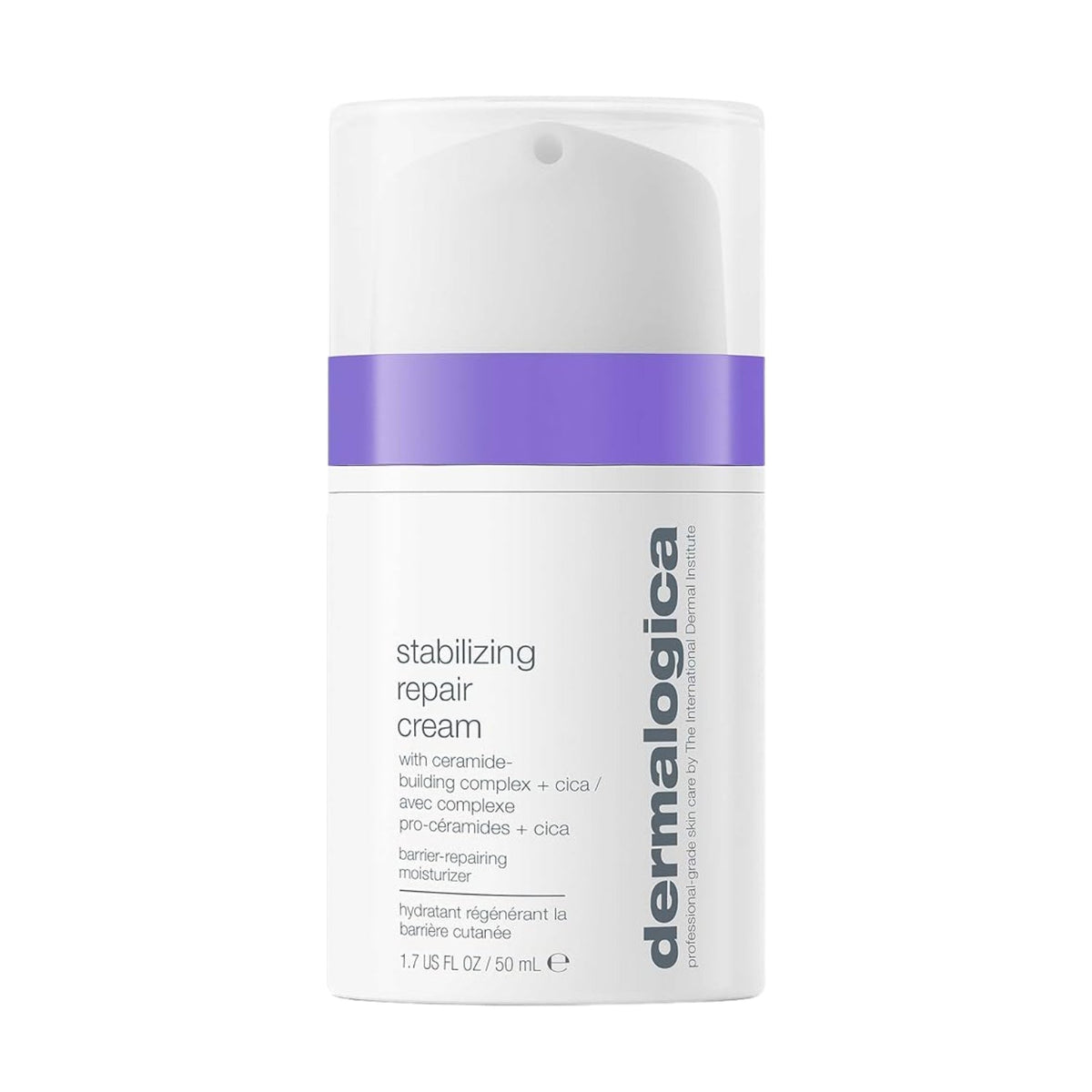
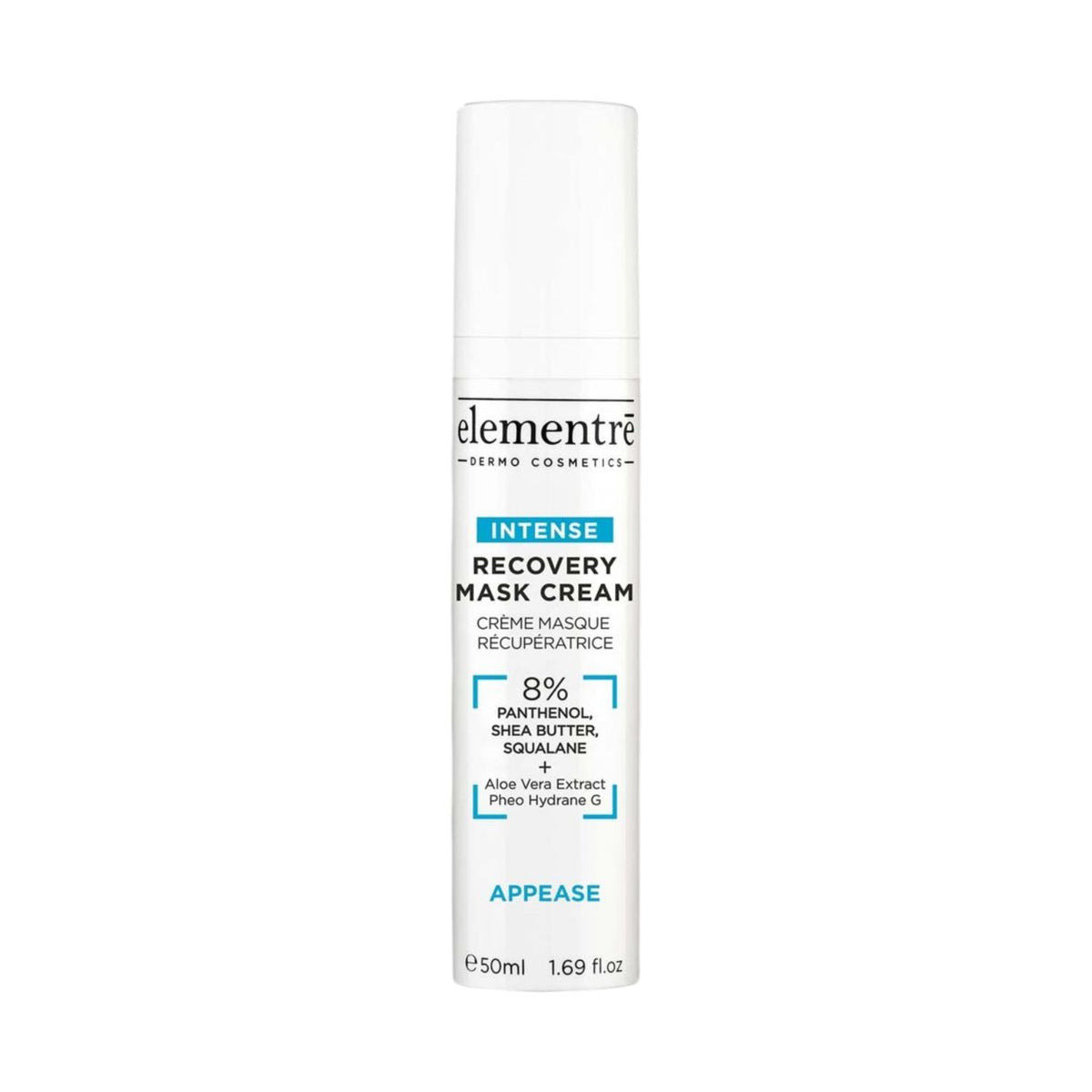
  • Calming as well as repairing: Elementre Recovery Mask Cream or Dermalogica Stabilizing Repair Cream

What ingredients actually repair a barrier?

Three groups, and the good formulas combine them.

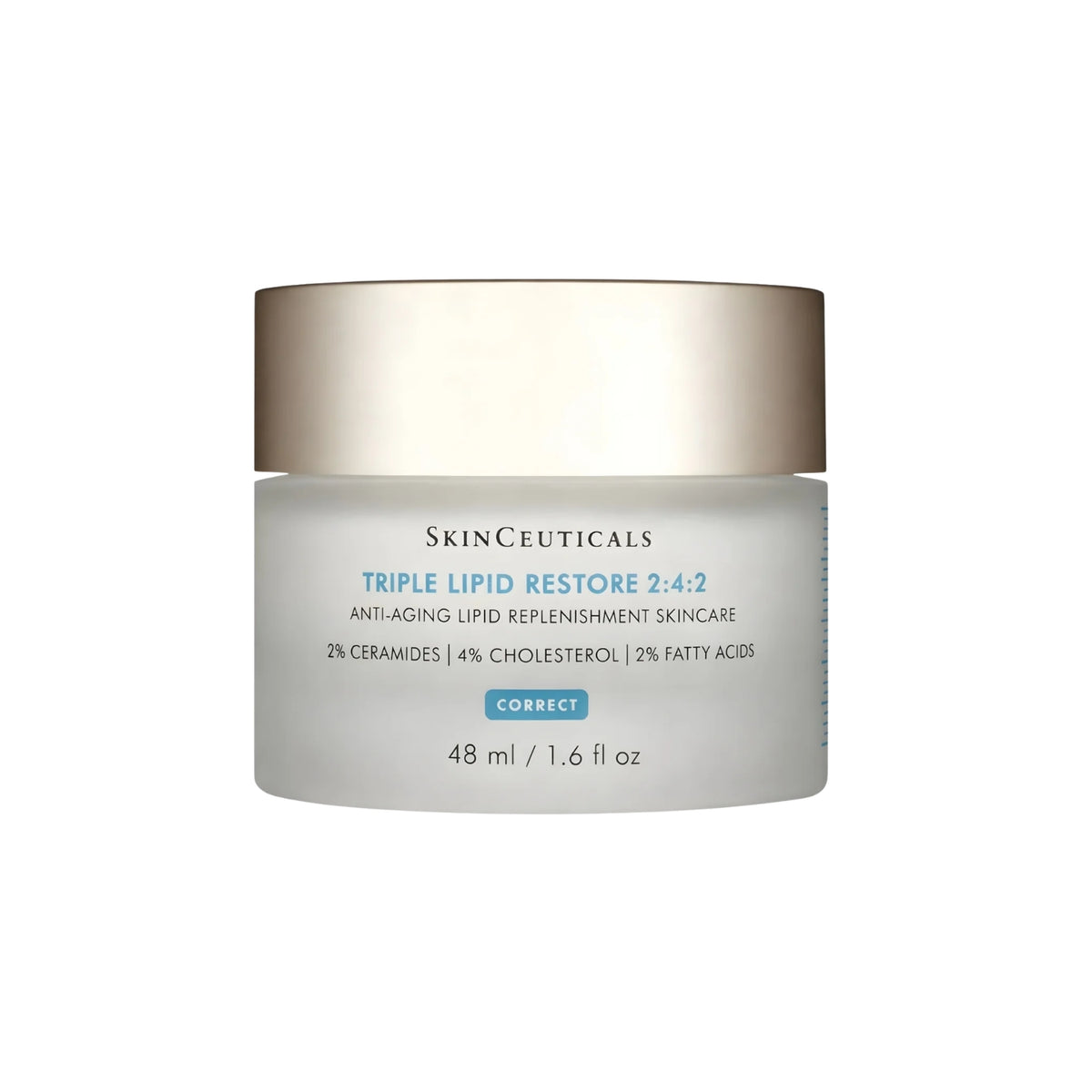
  • Ceramides replace the fats that hold your skin cells together. They are the main event
  • Panthenol and centella calm the inflammation that comes with barrier loss
  • Humectants like glycerin and hyaluronic acid pull water in, though they need something on top to hold it there

What you do not want while repairing is acids, high strength retinoids, fragrance or alcohol. Those are what broke it.

How long does it take to repair?

Two to four weeks for most people, if you actually stop doing the thing that caused it.

Comfort comes back first, usually within days. Stinging stops, then flaking settles, then the redness goes last.

The hard part is resisting the urge to add things back too early. Give it a full month before you reintroduce your retinol, and start at half the frequency you were on.

Can I use a barrier cream if my skin is oily?

Yes, and oily skin gets a damaged barrier more often than you would think, usually from over cleansing and too many actives aimed at oil.

The trick is texture rather than skipping it. Medicube Hyaluronic Ceramide Jelly Cream, COSRX The Ceramide Skin Barrier Moisturizer and BIOJUVE Hydrating Barrier Cream (Normal to Oily) all repair without feeling heavy.

Skin that produces more oil when it is dehydrated is very common. Hydrating properly often reduces oiliness rather than adding to it.

Do I need a different cream for night?

Not necessarily. A good barrier cream works morning and night, and using the same one twice a day is simpler and cheaper.

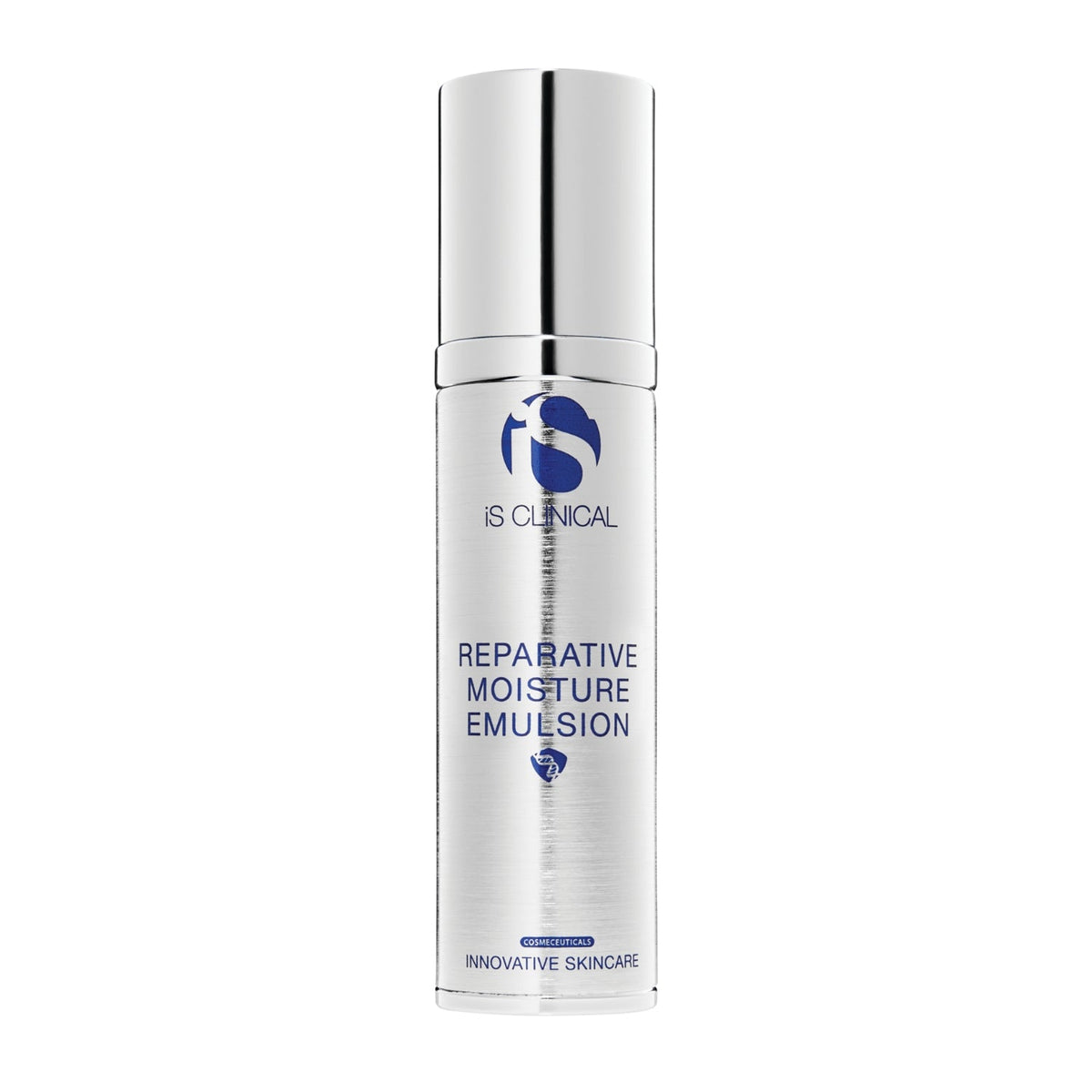
Some people prefer something richer overnight because there is no makeup or SPF going on top. iS Clinical Reparative Moisture Emulsion, SkinCeuticals Emollience and Dermalogica Super Rich Repair all suit that job.

If your skin is very dry, an occlusive balm as a final layer at night makes a real difference. Just keep it to the areas that need it.