

It usually starts quietly. The moisturiser you have repurchased for years sinks in by eleven and leaves your cheeks tight by lunch. A serum you never thought twice about begins to sting. Your foundation sits differently. If your skin suddenly feels different, it is usually because the conditions around it have shifted: the weather, your routine, your stress levels and your hormones all change what skin needs and often more than one of them at once. The reassuring part is that you rarely need a whole new routine. You need one well chosen adjustment, matched to the change you can actually see in the mirror.
Why your skin suddenly feels different
Skin is not a fixed thing you figure out once in your twenties and then leave alone. It renews itself constantly, and it responds to everything around it. When a routine that worked for years stops working, nothing has gone wrong. Your skin is simply telling you the brief has changed.
Most of that conversation happens at the skin barrier, which is the outermost layer of cells and lipids that keeps water in and irritants out. When the barrier is well supported, skin feels calm, comfortable and springy. When it is under pressure, it loses water faster, reacts more easily and looks flatter. The same products can feel completely different on a barrier that is having a harder time.
What can make skin change: four common reasons
None of these is a diagnosis and for most people it is a combination. Think of this as a short list of suspects rather than a verdict.
- The weather: An Irish autumn is a particular test. Wind and rain outside, central heating inside and indoor air that pulls moisture from skin for hours at a time.
- Your routine: Stacking several strong actives, such as retinol, exfoliating acids and vitamin C, can leave skin sensitised without any single product being the problem.
- Life: Poor sleep, travel, stress and illness all show up on skin, often as dullness or reactivity.
- Hormones: Oestrogen helps skin hold onto water and supports collagen, the protein that gives skin its firmness and structure. Levels shift across the monthly cycle, during pregnancy, when starting or stopping hormonal contraception and through perimenopause and menopause. Skin often notices before you do.
One thing worth saying clearly: skincare cannot change your hormone levels and you should be wary of any product that suggests it can. What good skincare can do is support how your skin looks and feels while those changes happen.
What actually helps when your skin feels different
The most useful question is not why, but what. Read the change you are seeing and respond to that, rather than overhauling everything at once.
Suddenly drier?
If your moisturiser used to last all day and now seems to vanish by lunchtime, your skin needs more help holding onto water. The fix is layering rather than simply buying a heavier cream. A hydrating serum underneath brings water into the skin and a richer moisturiser on top keeps it there. Skin stays soft and comfortable into the evening and looks visibly plumper for it.


More easily upset?
If products you have used for years suddenly sting, burn or leave you flushed, your barrier may be asking for a reset. This is the moment to edit, not add. Pause the strongest actives for a few weeks and lean on soothing, nourishing textures that restore comfort. Once skin feels resilient again, reintroduce your actives one at a time, a few nights a week.


Missing its bounce?
If your cheeks look a little less full and your usual moisturiser no longer brings back that springiness, hydration alone may not be enough. This is where a targeted treatment earns its place: serums built around hyaluronic acid, peptides or ingredients that support the skin's own moisture reserves help firmness, soften the look of fine lines and bring definition back to contours over consistent use.


Tone looking different?
If your skin looks dull after a full night's sleep, or dark spots seem harder to ignore, moisturiser on its own will not get you there. Daily UV protection is the foundation of complexion clarity, with a targeted antioxidant or pigment serum layered underneath if you want to go further. Skip the SPF and every other brightening step is working against the current.


A note on menopause skin changes
You do not need to be going through menopause for any of this to apply. But if you are in perimenopause or menopause, or simply wondering whether that is what is happening, the changes above can arrive together and feel faster than you expected. Dryness, new sensitivity and a loss of firmness are among the most common.
According to the American Academy of Dermatology, skin loses about 30% of its collagen in the first five years of menopause, after which the decline becomes more gradual.
That is a fact about biology, not a problem to solve or a look to hide. Skin in its forties, fifties and beyond is simply asking for a different kind of care: more comfort, more hydration, more protection and fewer harsh treatments. If you would like to browse products chosen with that stage in mind, our menopausal skin collection is a good place to start.
Common mistakes when your skin changes
- Starting from scratch. Replacing every product at once makes it impossible to know what helped and can irritate skin further. Change one step and give it time.
- Treating irritation with more actives. When skin is stinging, another acid or a stronger retinoid rarely helps. Calm comes first.
- Assuming richer means greasy. A well formulated rich cream can absorb quickly and wear beautifully under makeup.
- Packing away the SPF in October. UVA, the part of daylight most associated with visible ageing and pigmentation, reaches skin throughout the year, cloud or no cloud.
- Expecting overnight change. Skin renewal takes roughly a month, so give any new product four to six weeks of consistent use before you judge it.

If you only change one thing
- Tight and thirsty by lunchtime: Reform Skincare Vitamin B5 Gel 30ml
- Soft enough, but looking flat: Allies of Skin Multi Peptides & Growth Factors Advanced Lifting Serum 30ml
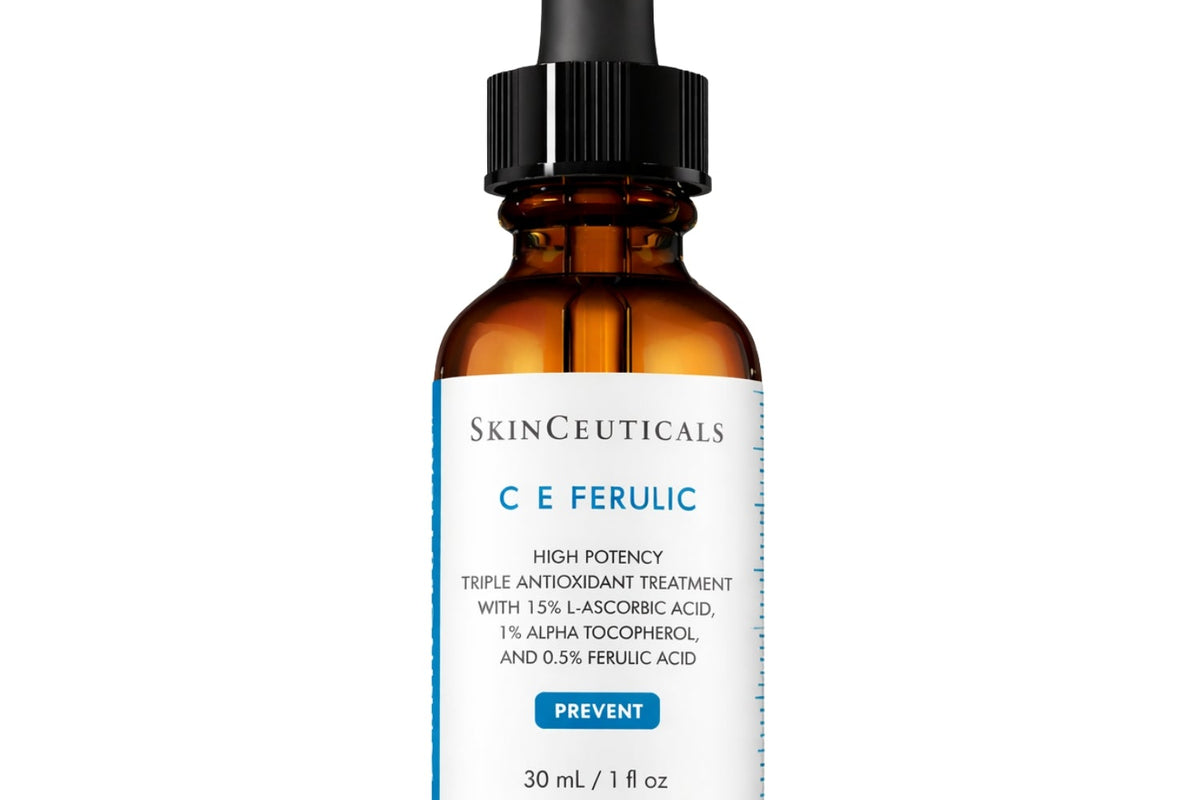
- Dull, uneven or regularly skipping SPF: SkinCeuticals Discoloration Defense 30ml
When to seek professional advice
Skincare can do a lot, but some changes deserve a second opinion. Speak to your GP, pharmacist or a dermatologist if dryness or itching persists despite a gentler routine, if a rash appears or lasts longer than expected, if you develop sudden or persistent breakouts, if a product burns rather than tingles briefly or if you notice a new or changing mole or mark. If you think your skin changes are connected to perimenopause or menopause, your GP is the right person to talk through the bigger picture.

The takeaway
When your skin suddenly feels different, it is not failing you. It is updating the brief. Notice what has changed, choose one adjustment that answers it and give it a month of consistent use. Most of the time, that is all it takes for skin to feel like yours again.
Why does my skin suddenly feel different when nothing in my routine has changed?
Your routine may be the same, but your environment probably is not. Colder weather, central heating, stress, sleep and hormonal shifts can all change how much water skin holds and how easily it reacts. Products that suited your skin before may simply need support from a richer moisturiser or a hydrating serum.
Can skincare balance my hormones?
No. Skincare does not change hormone levels. It can support how skin looks and feels during hormonal changes, by improving hydration, comfort and visible firmness. If you have questions about your hormones, speak to your GP.
Can I use SkinCeuticals HA Intensifier Multi Glycan with Reform Skincare Intensive Moisturiser?
Yes, they work well together. Apply the serum first to clean skin, let it absorb for a moment, then seal it in with the moisturiser. In the morning, finish with SPF, or use The Skin Diary Age Defence Moisturising Day Cream as your final step.
Do I really need SPF in autumn and winter in Ireland?
Yes. UVA rays reach skin throughout the year, even on grey days, and they are closely linked to pigmentation and loss of firmness. A daily moisturiser with SPF 50 makes it an easy habit to keep.
How long does it take to notice a difference?
Hydration and comfort can improve within days. Changes in firmness, texture and tone take longer, so give a new product four to six weeks of consistent use before deciding whether it is working.
Is menopausal skincare only for people going through menopause?
Not at all. Products formulated with menopausal skin in mind tend to focus on hydration, barrier support and comfort, which suit anyone whose skin is feeling drier or more sensitive than usual.


