

Your skin does not read a calendar the way you do. It has no idea what day it is, only that a clinician has just been at it with a needle, an acid or a laser, and that everything it usually tolerates without complaint suddenly matters a great deal more. The vitamin C you reach for on autopilot. The retinol you would not skip for anything. Neither belongs anywhere near skin that has just come out of a professional treatment, however loyal you are to your usual lineup. What actually belongs there is simpler than you would think, and getting it right is the difference between a treatment that pays off properly and one you have quietly wasted. Here is exactly what to reach for before an appointment, in the days directly after and once your skin has settled back to itself, using our SkinCeuticals range.
Why treatment days call for a different routine
Strip away the clinical language and every professional treatment is doing roughly the same blunt thing. A chemical peel, microneedling, laser or dermaplaning session is deliberately breaking down the outer barrier to force new skin to the surface underneath. For a short window afterwards, that barrier is genuinely more open, more reactive and considerably more vulnerable to UV than it was the week before. That vulnerability is the entire point. It is also exactly why the actives that behave beautifully on calm, settled skin, think vitamin C, retinol or glycolic acid, can turn a controlled procedure into an avoidable mess if they go straight back on top. What you pair with a treatment, before it and in the days that follow, decides how comfortably skin heals and how much of the result you actually get to keep.
What actually helps
The logic holds across most in clinic treatments, even as the finer details shift by procedure. Skin wants calm, barrier focused support right now, not correction.
Before treatment, the goal is to arrive settled rather than sensitised. Most clinics will already have told you to pause retinoids and acids for several days beforehand, and keeping that pre treatment stretch deliberately gentle gives the treatment a clean canvas rather than one it has to fight with.
Immediately after, actives are off the table entirely, no exceptions for favourites. This is not the moment for an antioxidant serum or an exfoliating acid, however much you rate it on an ordinary day. What skin wants instead is a cleanser that never foams aggressively or carries a trace of acid, proper hydration and lipids that help rebuild the barrier while it is still wide open. That hydration comes from humectants such as hyaluronic acid, ingredients that draw water into the skin from the air and from deeper layers.
Sun protection stops being a nice to have the moment skin is treated. Freshly resurfaced skin burns and pigments with almost no effort, so broad spectrum SPF, reapplied properly and often, matters more in the week after a treatment than at nearly any other point in your skincare year.
Actives come back gradually, never all in one go, and only once skin has fully settled and any visible peeling, redness or sensitivity has resolved. Vitamin C tends to be the gentlest way back in, with retinol and exfoliating acids left until last.

Common mistakes worth avoiding
A handful of habits turn up again and again around treatment days. Picking at peeling skin because it feels productive somehow almost always extends healing and raises the odds of marking. Assuming any moisturiser can stand in for a proper barrier repair cream tends to leave skin tight and uncomfortable for longer than it needs to be. Skipping SPF because skin is staying indoors, the sky is grey or it already looks irritated enough is one of the more common regrets clients have, since UV exposure on compromised skin is precisely what drives the pigmentation most people are trying to avoid in the first place. And going straight back to a full strength retinol or vitamin C routine the moment skin feels normal again, rather than easing back in, is the fastest way to undo a good result over something entirely avoidable.
SkinCeuticals product pairings for treatments by phase
Before your treatment, keep things deliberately simple with SkinCeuticals Gentle Cleanser and SkinCeuticals Hydrating B5 Gel, pausing any retinol or acid steps in line with your clinician's advice.
In the first few days after treatment, SkinCeuticals Soothing Cleanser Foam is formulated specifically for compromised, post procedure skin and rinses away without a hint of stripping. SkinCeuticals Phyto Corrective Essence Mist calms visible redness on contact, a genuine relief in the first day or two, while SkinCeuticals Phyto Corrective Masque is a highly concentrated botanical masque built for reactive skin that needs cooling and restoring rather than actives of any kind. SkinCeuticals Phyto Corrective with PDRN from Biotech Serum pairs that same calming botanical base with PDRN, a biotech derived repair ingredient, for skin that needs a little extra help while it finds its feet again.
Sun protection through this window is not negotiable, full stop, and SkinCeuticals Advanced Brightening UV Defense Sunscreen SPF50 or SkinCeuticals Ultra Facial UV Defense SPF50 should be reapplied generously and often, not just once on the way out the door.
As skin settles, usually once any visible peeling or redness has calmed properly, SkinCeuticals Epidermal Repair Cream and SkinCeuticals Triple Lipid Restore 2:4:2 rebuild the barrier's lipid content properly, from the inside out, rather than simply sitting on top of it.
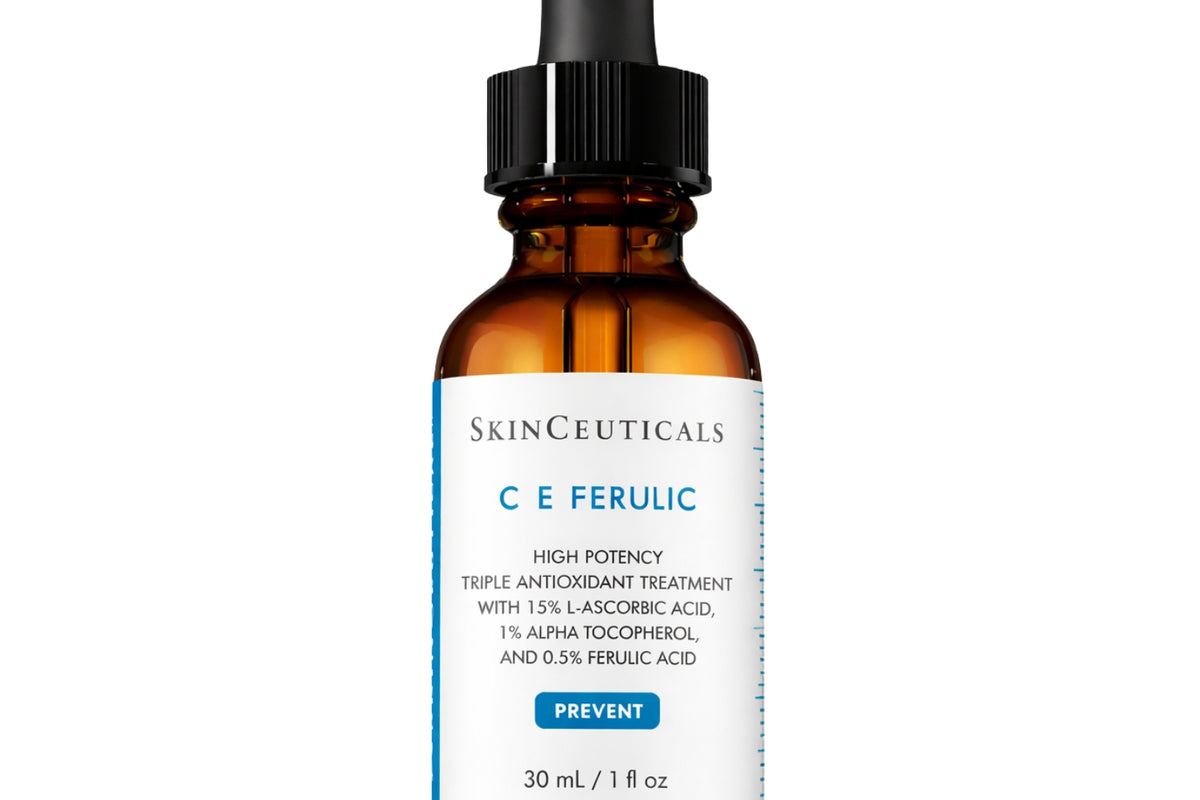
Once skin is fully back to normal, ease actives back in with SkinCeuticals C E Ferulic, the gold standard antioxidant serum for good reason, before bringing back SkinCeuticals Retinol 0.3 or your exfoliating steps a little more slowly than you normally would.


The takeaway
Treated skin is not a smaller version of your usual routine. It is an entirely different job for a short, deliberate window. Strip the actives back, lean hard on hydration, barrier support and SPF while skin heals, and let your normal routine return in stages rather than all at once. Get that sequencing right and the treatment itself finally gets the chance to show what it actually paid for.Treated skin is not a smaller version of your usual routine, it is a different job entirely for a short window. Strip the actives back, lean on hydration, barrier support and SPF while skin heals, and bring your normal routine back in stages rather than all at once. Get that sequencing right and the treatment itself has a much better chance of showing. SkinCeuticals product pairings for treatments shop now at SkinShop.ie.

How soon can I use vitamin C after a chemical peel?
Most people can bring a gentle vitamin C serum back in once visible peeling and redness have fully settled, though your clinician's exact timeline for your specific peel depth always takes priority over anything general.
Can I use retinol after microneedling?
Not until skin has properly and completely healed. The barrier stays temporarily more permeable after microneedling, and retinol on top of that is an unnecessary irritation waiting to happen.
What SkinCeuticals products should I use straight after a treatment?
Gentle, fragrance conscious options built specifically for compromised skin, Soothing Cleanser Foam, Phyto Corrective Essence Mist and Hydrating B5 Gel among them, alongside SPF you actually reapply.
Do I need to change my skincare before an in clinic treatment?
Yes. Most clinicians recommend pausing retinoids and exfoliating acids for several days beforehand and keeping the routine simple, so skin arrives settled rather than already sensitised.
Is SPF really necessary if my skin is peeling or I am indoors most of the day?
Yes, unequivocally. Treated skin is far more prone to UV damage and pigmentation, so broad spectrum SPF matters more, not less, while it heals, cloudy days and indoor days included.
Can I mix SkinCeuticals with other brands during recovery?
Best kept simple during recovery specifically. Layering unfamiliar products from several brands at once makes it far harder to work out what is actually helping newly treated skin and what is irritating it.


