Filters
Sort by

Skincare for Sensitive Skin FAQs

What makes skin sensitive?

There are two different things sharing one word, and they need different answers.

  • Genuinely sensitive skin is how you were built. It has always reacted, usually runs in the family and often comes with eczema or rosacea
  • Sensitised skin is damage you have acquired, almost always from over exfoliating, too much retinol too fast, harsh cleansers or hot water. It used to be fine and now it is not

Sensitised is far more common and it is reversible. If your skin only started stinging in the last few months, this is almost certainly what happened, and the fix is to do less rather than to buy something.

How do I calm reactive skin down?

Strip the routine back to three steps and hold there for a month.

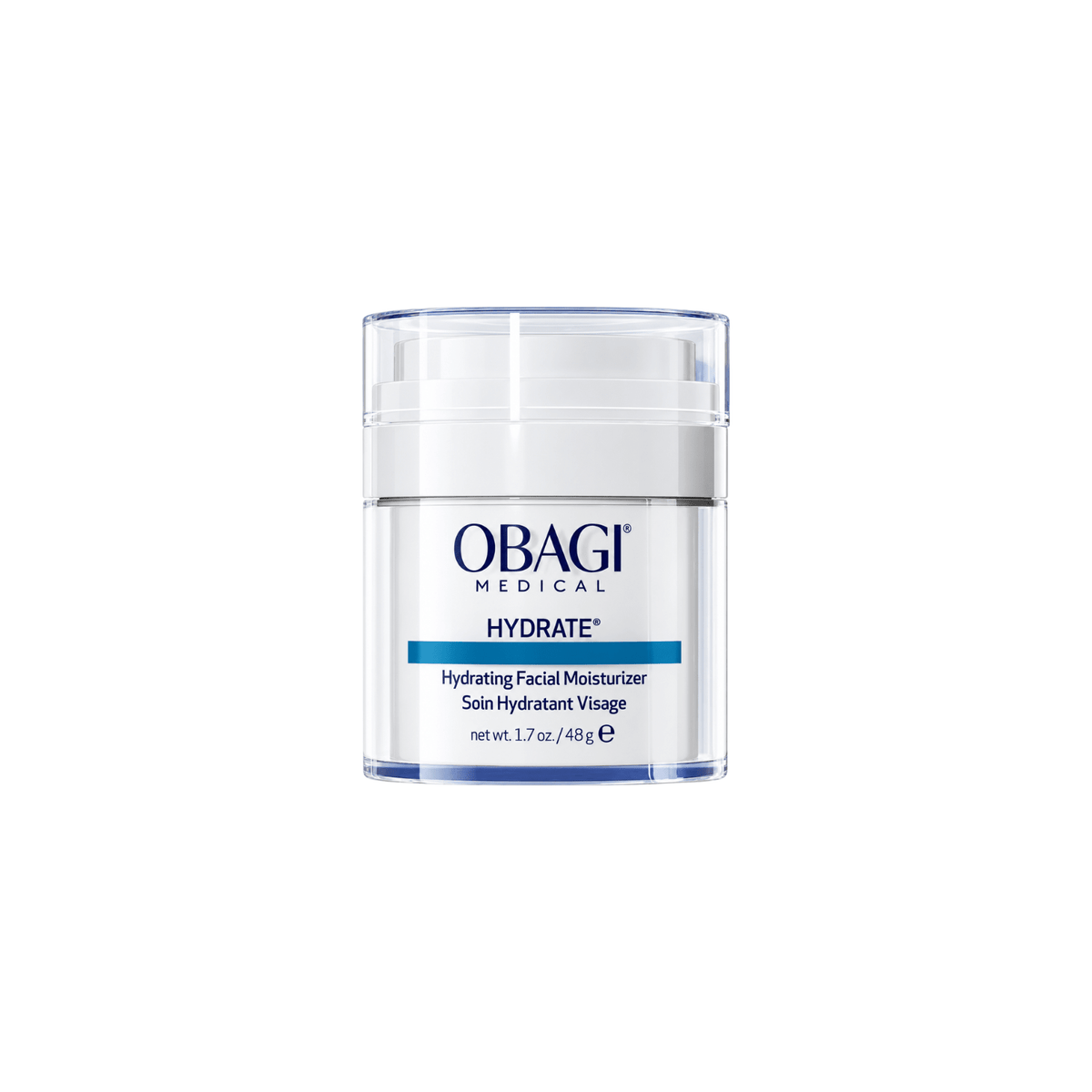
  • A gentle cleanser. Image Skincare Ormedic Balancing Facial Cleanser, Obagi Gentle Cleanser or Reform Skincare Gentle Hydrating Creme Cleanser
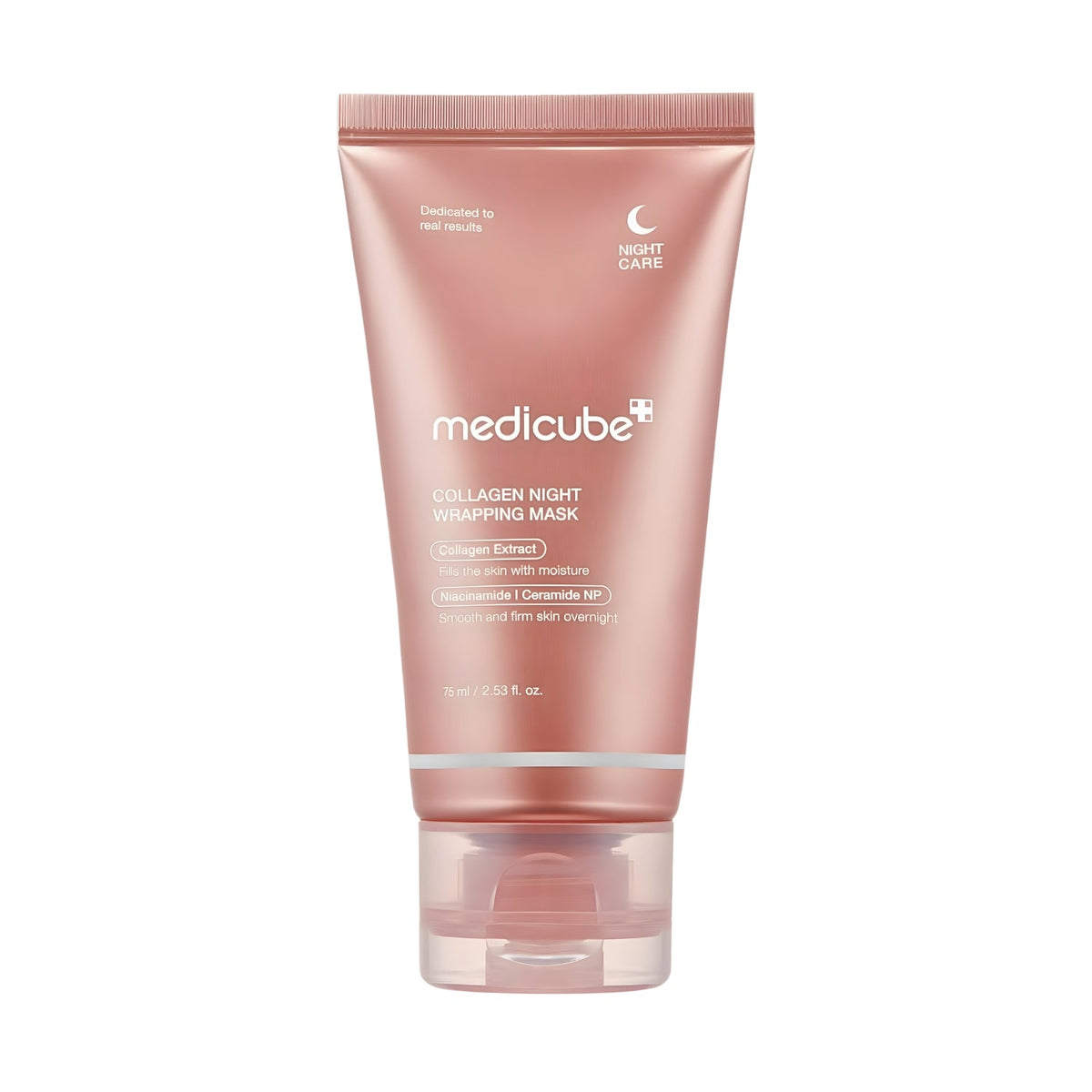
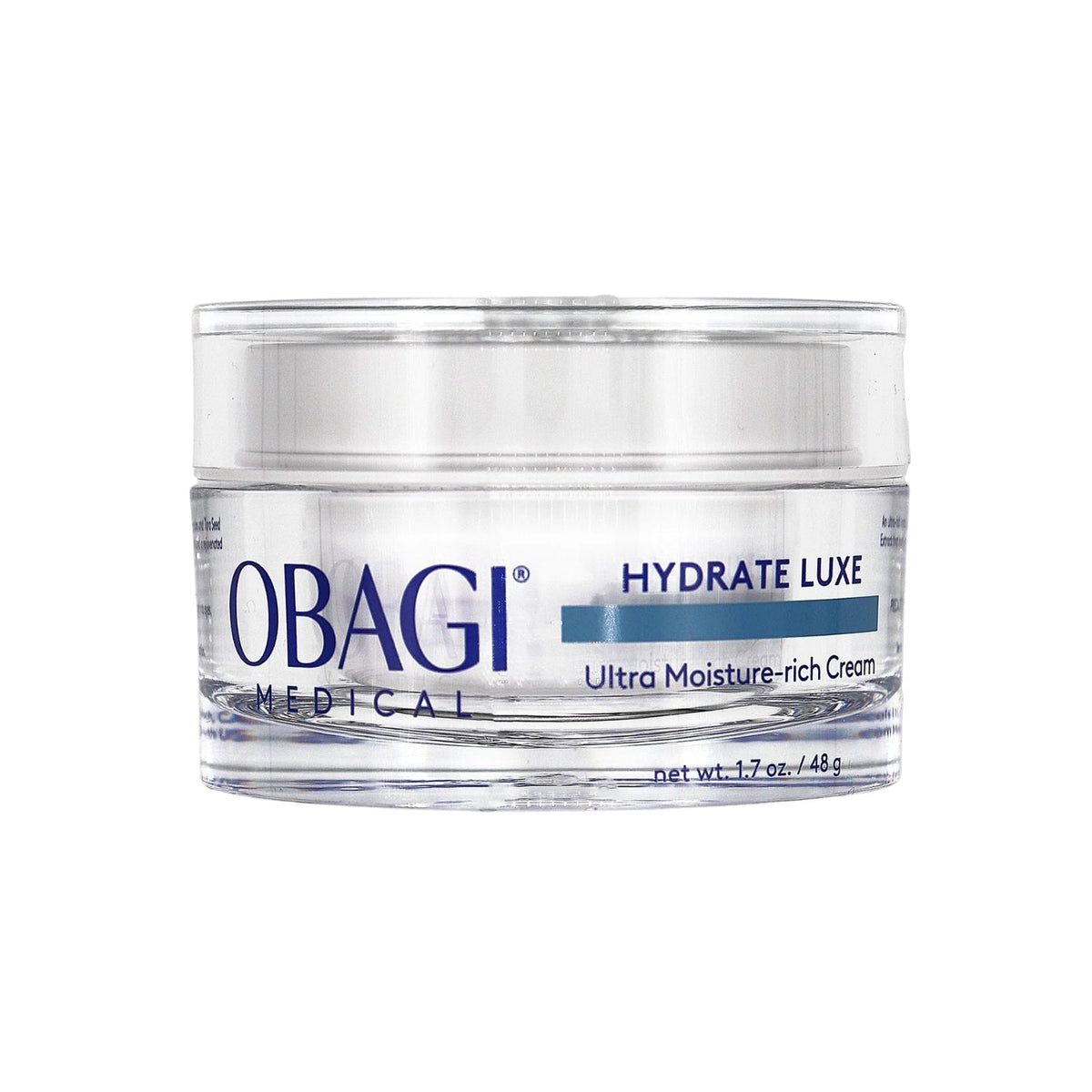
  • A barrier moisturiser. Anua Heartleaf 70% Intense Calming Cream, Dr. Althea 345 Relief Cream or Dr. Althea 147 Barrier Cream
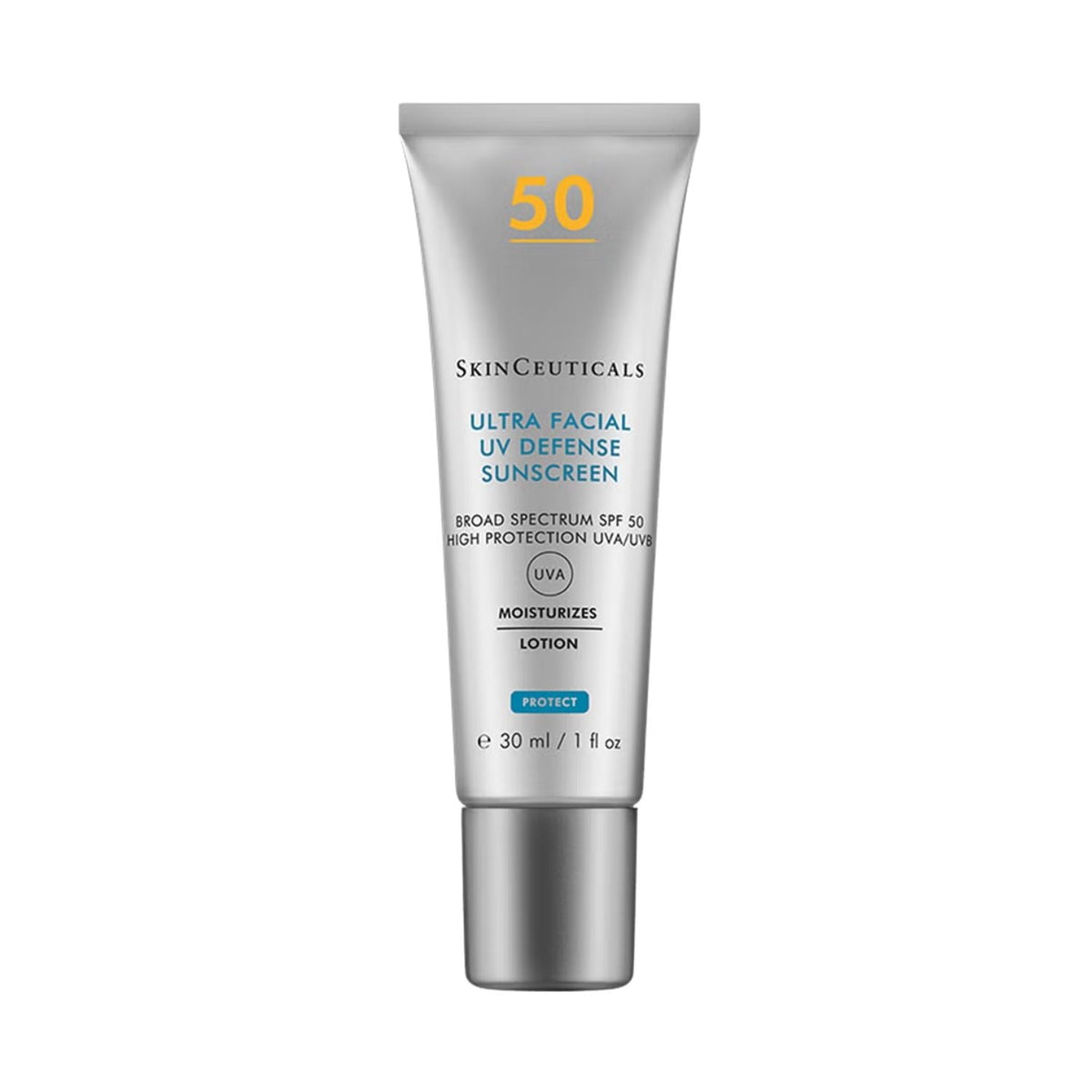
  • A daily SPF. Heliocare 360 Mineral Tolerance Fluid SPF50 is formulated for intolerant skin

No acids, no retinoids, no scrubs, no new products while you do this. It feels like going backwards and it is the fastest route forward.

Most skin is comfortable again in two to four weeks. Add things back one at a time with a fortnight between each.

How do I patch test properly?

On the inner forearm or behind the ear, twice a day for five days, before anything goes near your face.

Most reactions show up in the first forty eight hours, but some take longer, which is why five days beats the overnight test everyone actually does.

Patch test anything new if you react easily. It costs you a week and saves you a fortnight of a flared face.

Does fragrance free mean it will not irritate?

No, and this is the most useful thing to know about sensitive skin labelling.

Fragrance is a common irritant but it is far from the only one. Essential oils, high percentage alcohol, strong acids and some preservatives all cause reactions, and a product can be fragrance free and still contain several.

Watch out for unscented too. It can mean a masking fragrance was added to cover the smell of the base, which is more fragrance rather than less.

The ingredients list is the only reliable guide. If you have identified something that reacts with you, check for it rather than trusting the front of the box.

Is everything in this collection suitable for sensitive skin?

No, and it is more useful to say so than to pretend otherwise.

This is a broad edit rather than a tightly curated one. It includes gentle barrier products alongside retinoids, vitamin C at higher strengths and exfoliating treatments, because those suit some sensitive skin and not other sensitive skin.

Use it as a starting point and read the ingredients. If your skin is currently flared, stay with the cleanser, moisturiser and SPF group until it settles. If you would like a hand narrowing it down, get in touch and we will talk it through.

Can I ever use actives on sensitive skin?

Usually yes, once the barrier is comfortable. Sensitive is not the same as intolerant, and writing off every active for life is overcorrecting.

The approach is low and slow. Start at the lowest strength, twice a week, applied over a moisturiser rather than straight onto bare skin, which buffers it noticeably.

  • Instead of a strong AHA: PHA, which is a larger molecule and far less likely to sting
  • Instead of retinol: bakuchiol, or the gentlest retinal there is, built up over months
  • Instead of pure vitamin C: a derivative, which is more stable and less acidic

Build the barrier first. Everything is better tolerated on skin that is not already struggling.