Filters
Sort by

Pigmentation FAQs

What kind of pigmentation do I have?

It matters, because the three main types respond to different things.

  • Post blemish marks are the flat brown or pink patches left where a spot was. These fade on their own, and the right products speed it up
  • Sun damage shows as freckling and brown patches on the areas that catch the most light, so the cheekbones, forehead and backs of the hands
  • Melasma is larger, more symmetrical patching, usually across the cheeks, upper lip or forehead. It is hormonal, it flares with heat as well as light and it is the most stubborn of the three

If your patches are symmetrical on both cheeks and arrived during pregnancy or after starting the pill, treat it as melasma and expect a longer road.

Which ingredient should I be looking for?

Several work, and the good routines stack two or three rather than relying on one.

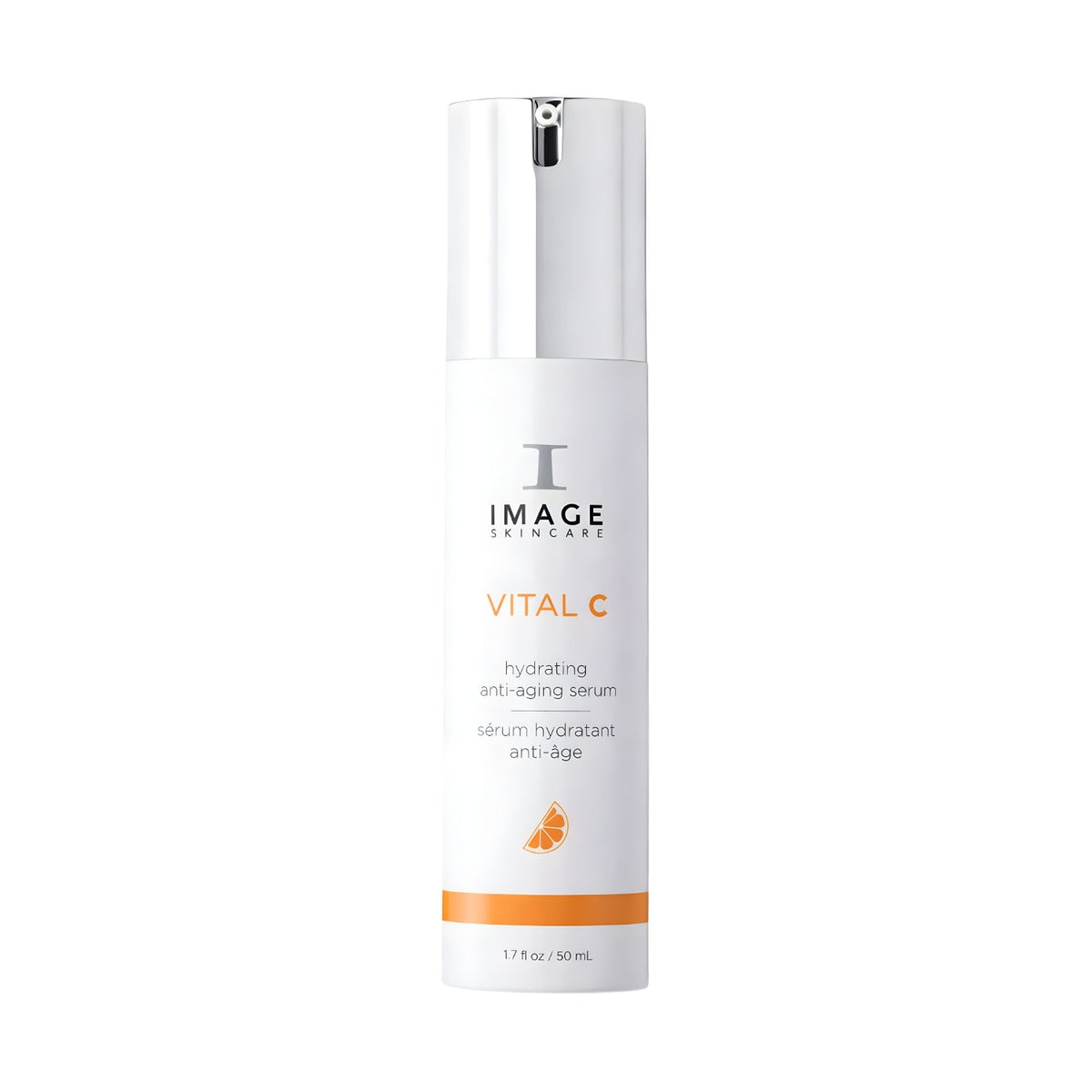
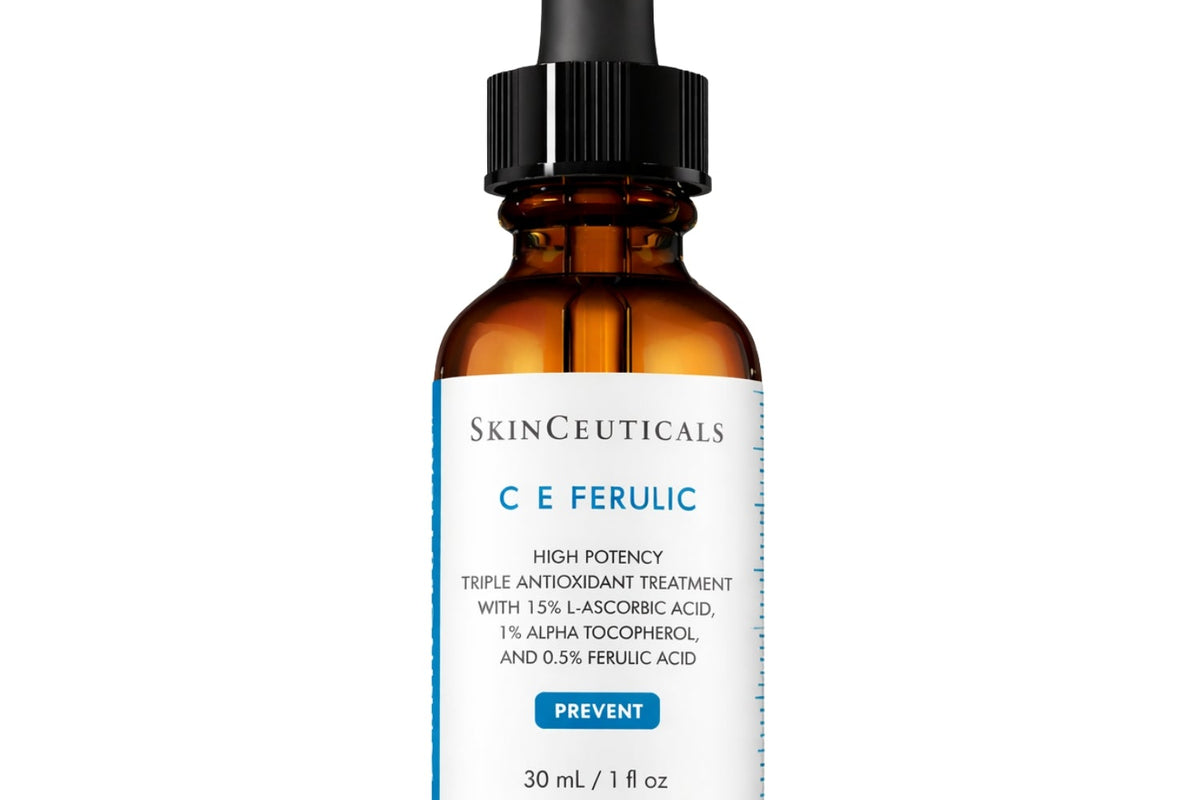
  • Vitamin C brightens overall and protects against new damage. SkinCeuticals C E Ferulic and Image Skincare Vital C Hydrating Anti-Aging Serum are the two most people start with
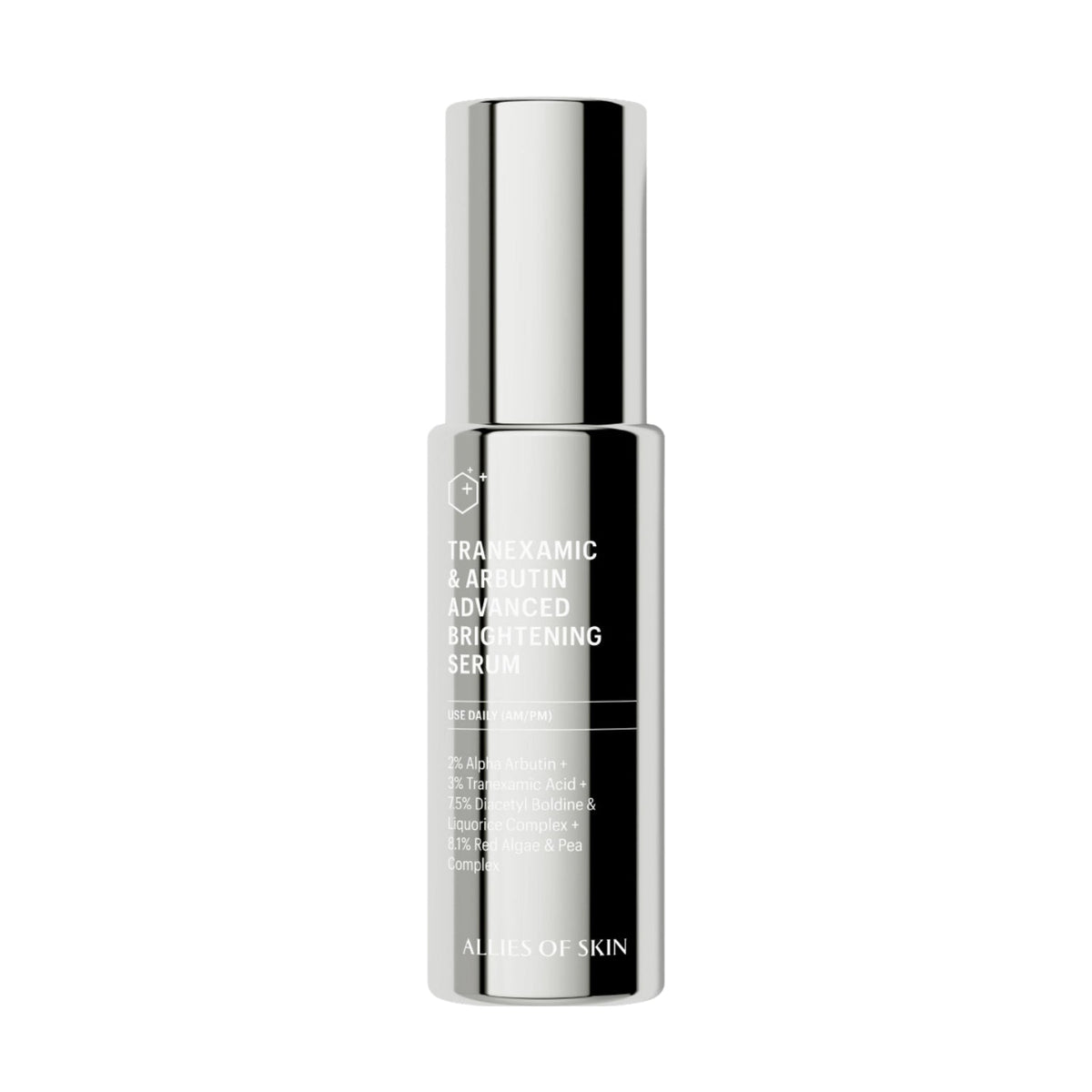
  • Tranexamic acid is the one with the best evidence for melasma. Look at Allies of Skin Tranexamic & Arbutin Advanced Brightening Serum or Purito TXA Niacinamide 10 Retinal Serum
  • Azelaic acid works on marks and redness together, which suits blemish prone skin. Allies of Skin Azelaic & Kojic Advanced Clarifying Serum covers two actives at once
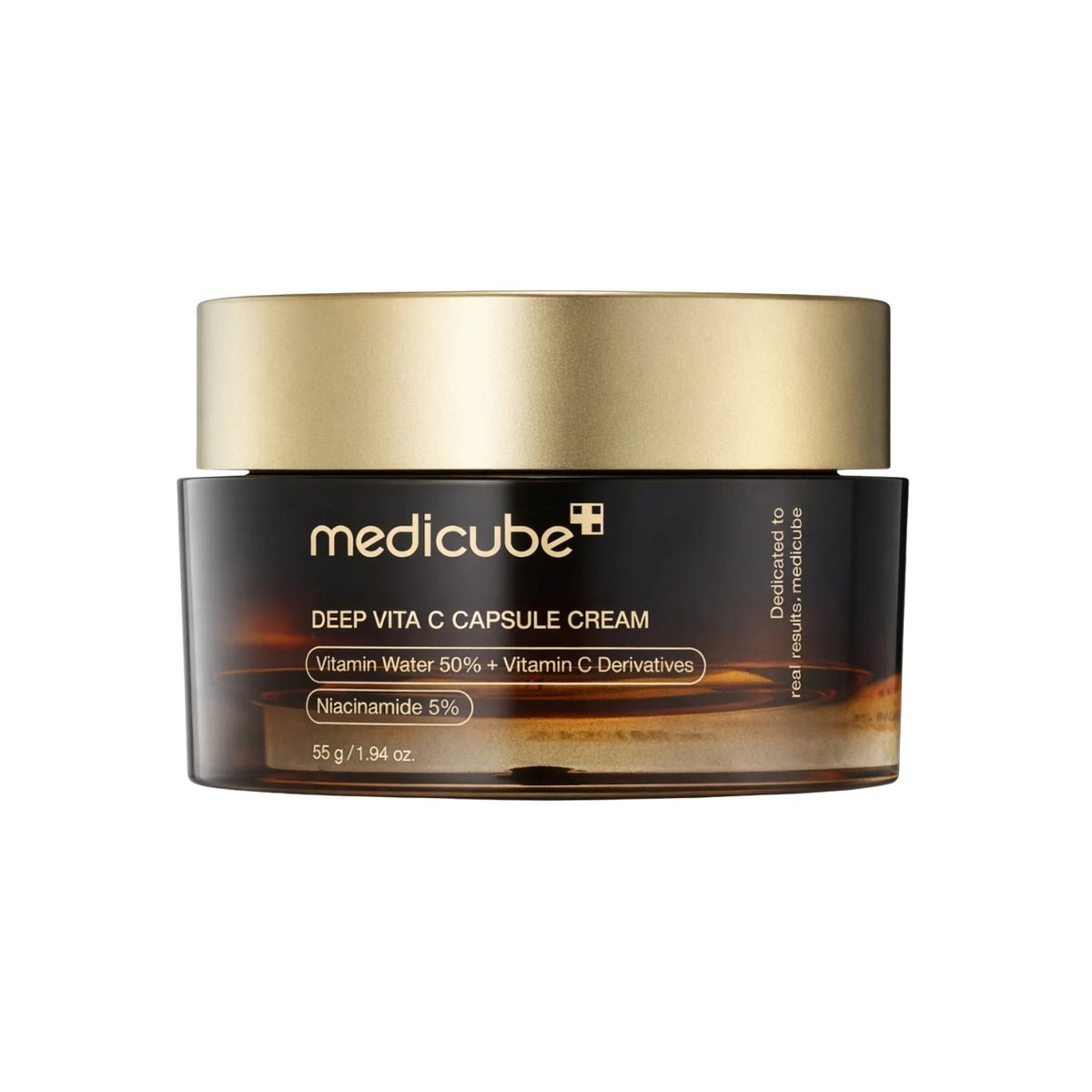
  • Kojic acid is the basis of the Medicube Kojic Acid Turmeric range, which runs from a toner to a mask to a peel
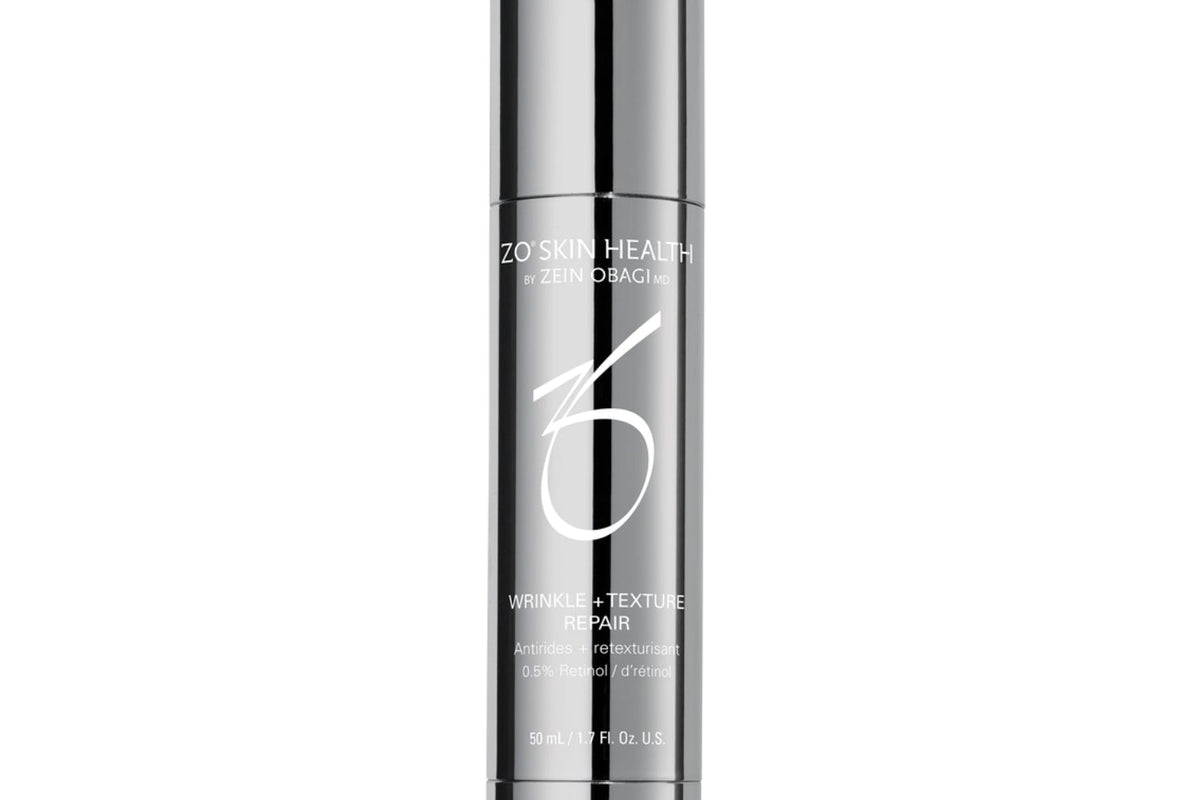
  • Retinoids speed up turnover so marked cells clear faster. ZO Skin Health Retinol Skin Brightener comes in 0.5% and 1%

We do not stock hydroquinone. It is prescription only in Ireland and your GP or dermatologist is the route to it.

How long does pigmentation take to fade?

Longer than anything else on this site, and this is where most people give up too early.

  • Post blemish marks: two to six months
  • Sun damage: three to six months of consistent use
  • Melasma: six months or more, and it is managed rather than cured

Pigment sits at different depths. The shallow stuff lifts in weeks, the deeper stuff takes seasons. Photograph your skin in the same light once a month, because month to month change is invisible day to day.

Why is SPF non negotiable for this?

Because UV is what makes the pigment in the first place, and it will undo your treatment faster than the treatment can work.

Using a brightening serum without daily sunscreen is like bailing out a boat without plugging the hole. SkinCeuticals Advanced Brightening UV Defense Sunscreen SPF50 is built for exactly this job, and Dermalogica BioLumin-C Heat Ageing Protector SPF50 adds protection against heat, which matters for melasma.

Wear it every day of the year, not just in summer. Reapply if you are outside. Melasma also responds to heat and visible light, so a tinted mineral formula gives you more cover than a clear one.

Can I use vitamin C and a retinoid together?

Yes, but not at the same time of day. Vitamin C belongs in the morning under SPF where its antioxidant protection does the most good. Retinoids belong at night.

That split is also easier on your skin than stacking both in one routine, and pigmentation routines are easy to overdo.

If you are using an acid as well, give it its own night. Three actives competing for the same evening is how a pigmentation routine turns into a barrier problem, and inflamed skin makes pigmentation worse rather than better.

Will exfoliating make it fade faster?

A little, and only up to a point. Gentle exfoliation clears pigmented cells that have already risen to the surface, which helps post blemish marks most.

What it will not do is reach the deeper pigment, and aggressive scrubbing actively backfires. Irritation triggers more pigment production, which is why melasma so often gets worse after a harsh treatment.

Once or twice a week is plenty. Medicube Kojic Acid Turmeric Peel Shot is a reasonable option because it pairs the exfoliation with a brightening active rather than just sanding at the surface.