Filters
Sort by

Vitamin E in Skincare FAQs

What does vitamin E do for skin?

Two jobs. It is an antioxidant, so it mops up the free radicals that UV and pollution create before they damage collagen. It is also an emollient, so it softens and helps skin hold onto moisture.

On an ingredients list it usually appears as tocopherol or tocopheryl acetate. It is in far more products than you would guess, because it also stops the oils in a formula going rancid.

It is a supporting player rather than a headline active. That is not a criticism, it is how it works best.

Why is vitamin E nearly always paired with vitamin C?

Because they regenerate each other. When vitamin C neutralises a free radical it is used up, and vitamin E puts it back to work. Together they protect better than either one alone, and studies put the difference at several times over.

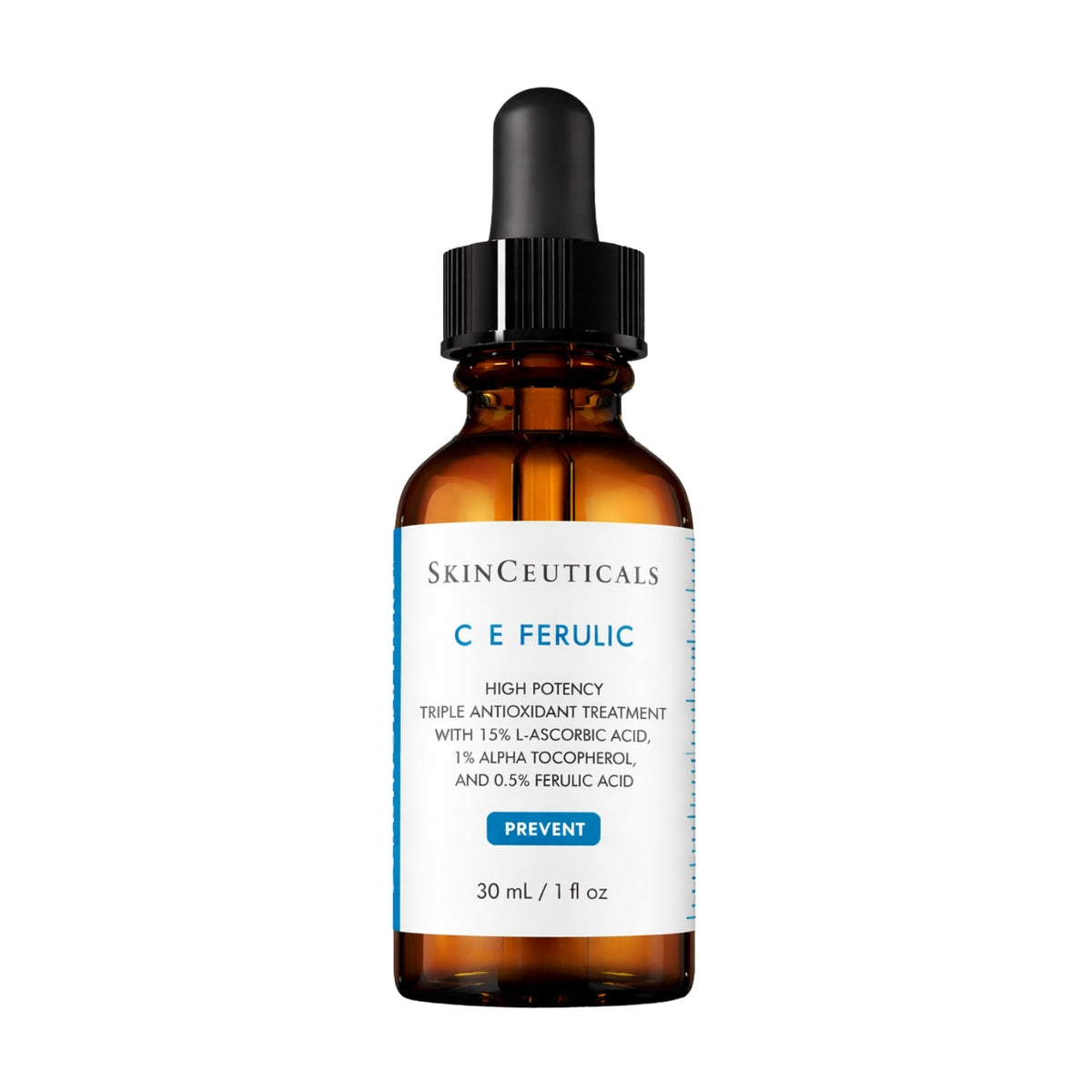
Add ferulic acid and the whole thing gets more stable again, which is the reasoning behind SkinCeuticals C E Ferulic.

This is why almost everything in this collection is a vitamin C serum. The vitamin E is in there doing the quiet half of the work.

Which product here should I choose?

This is a small, focused collection rather than a full routine.

  • SkinCeuticals C E Ferulic is the reference product for the C and E pairing
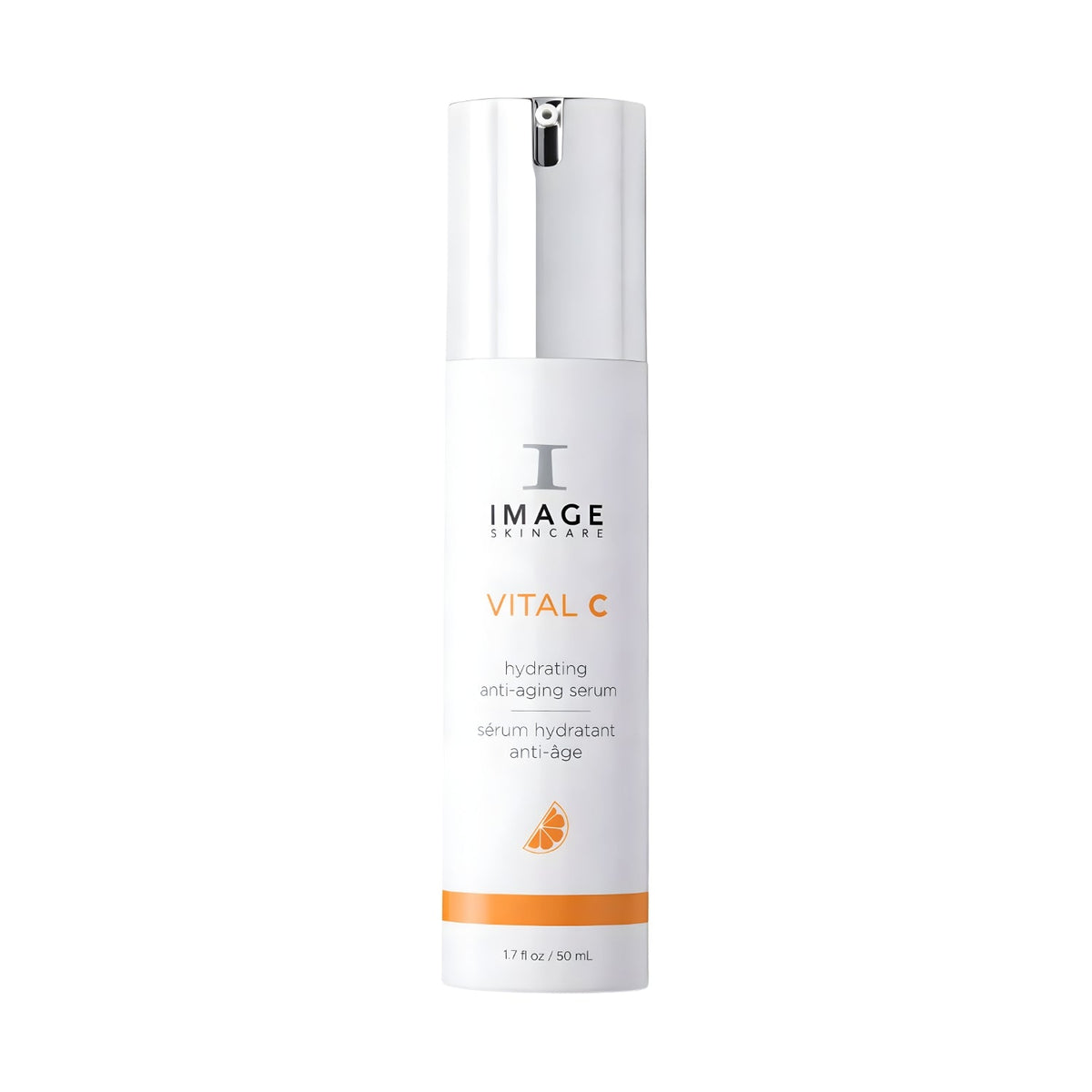
  • Image Skincare Vital C Hydrating Anti-Aging Serum is the gentler everyday option and the best seller here
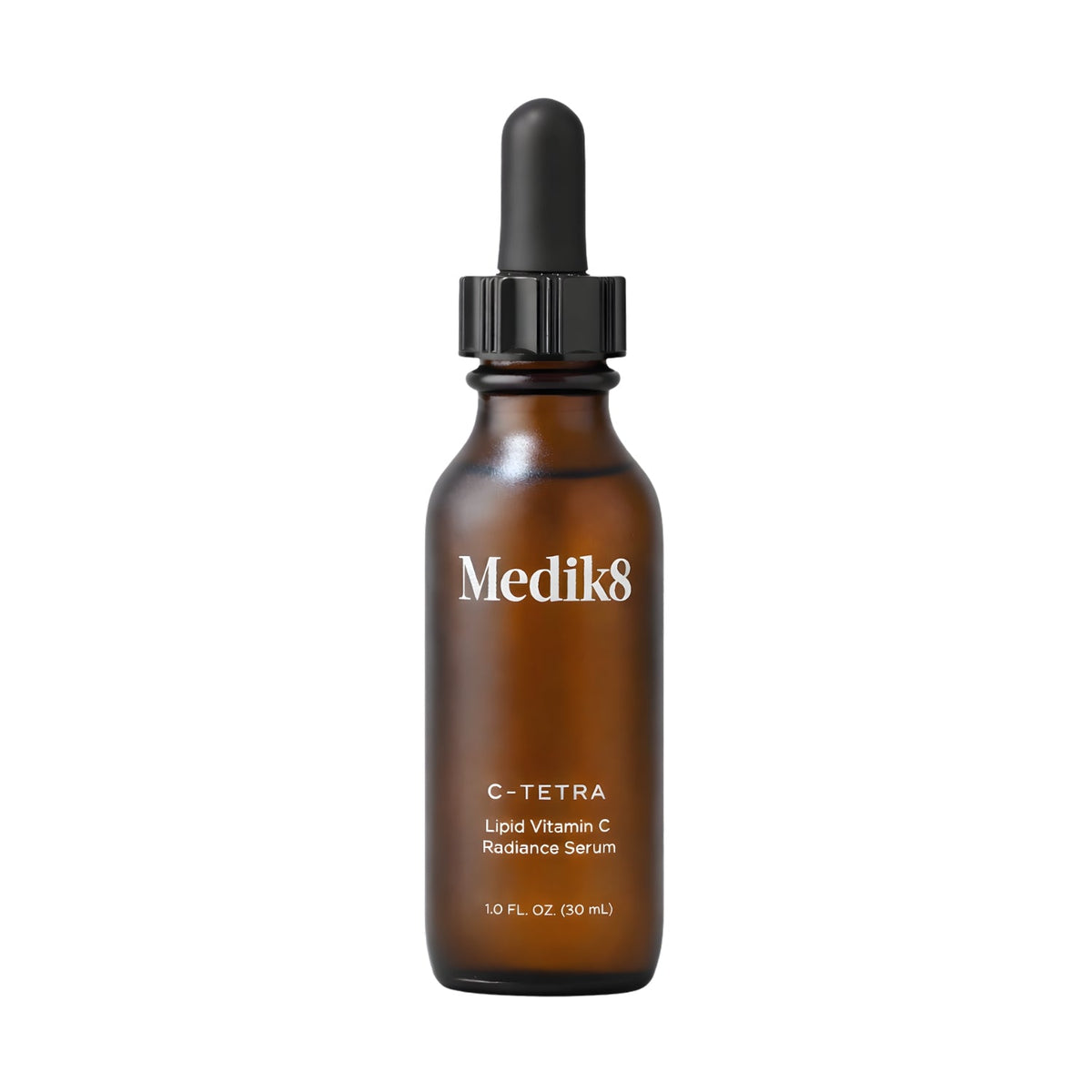
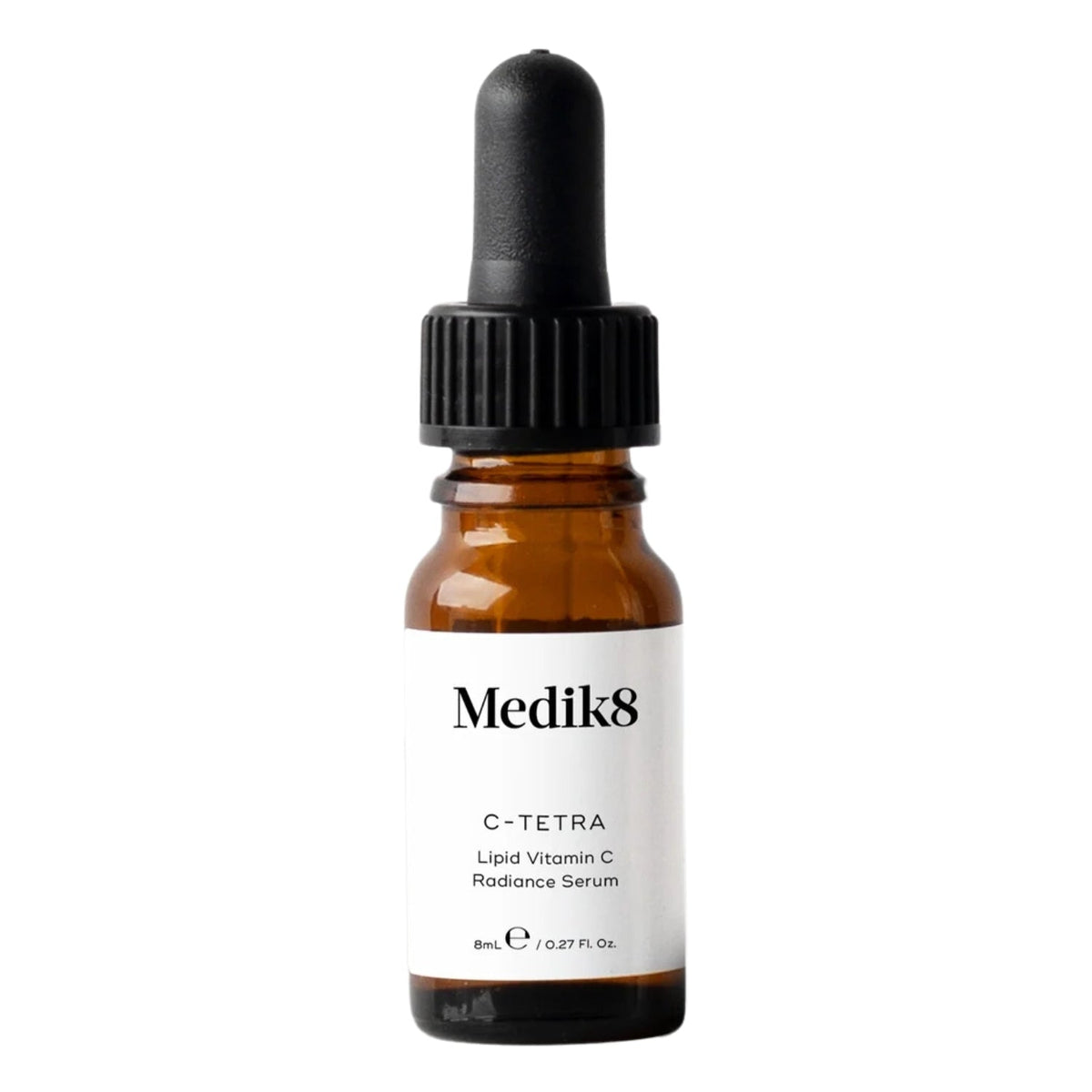
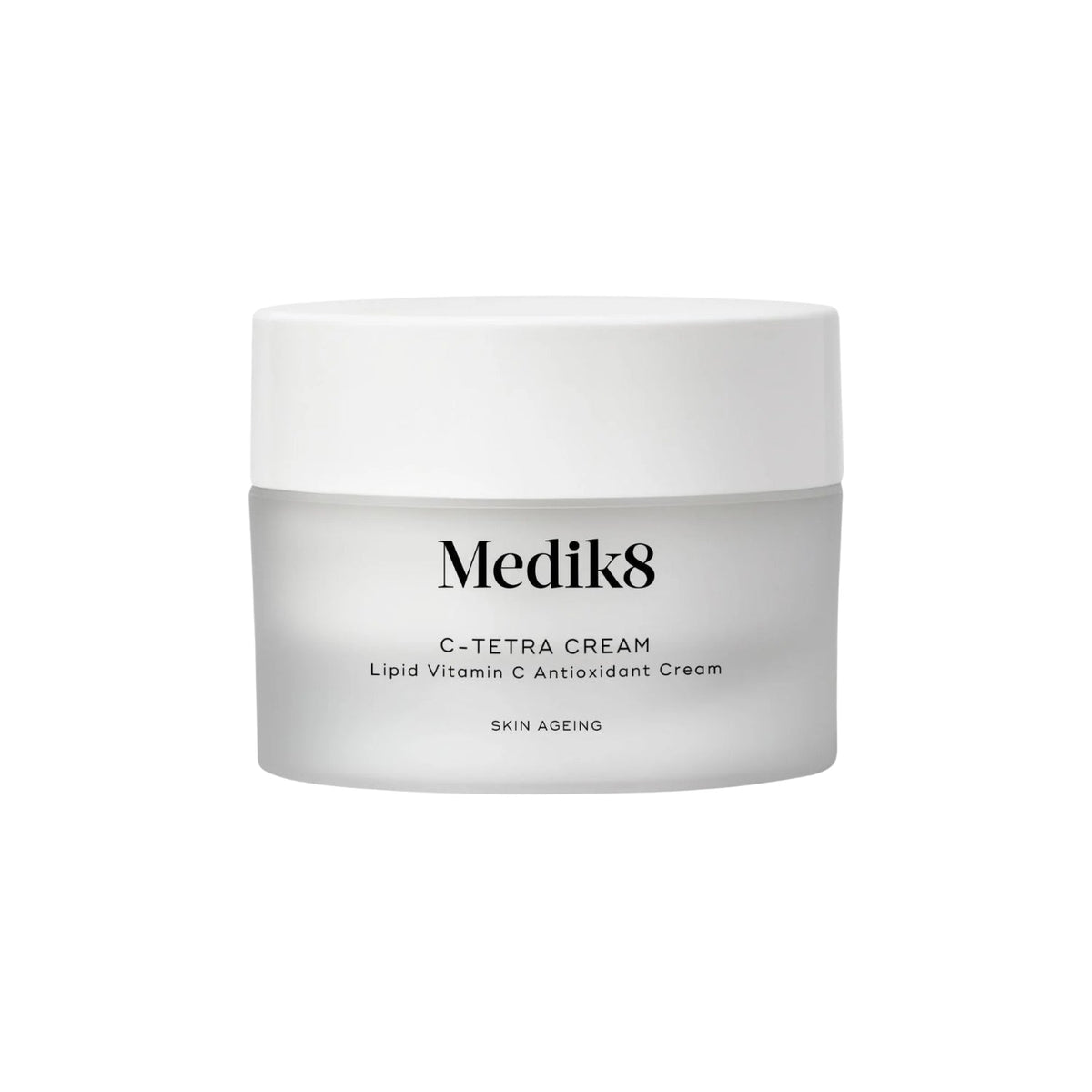
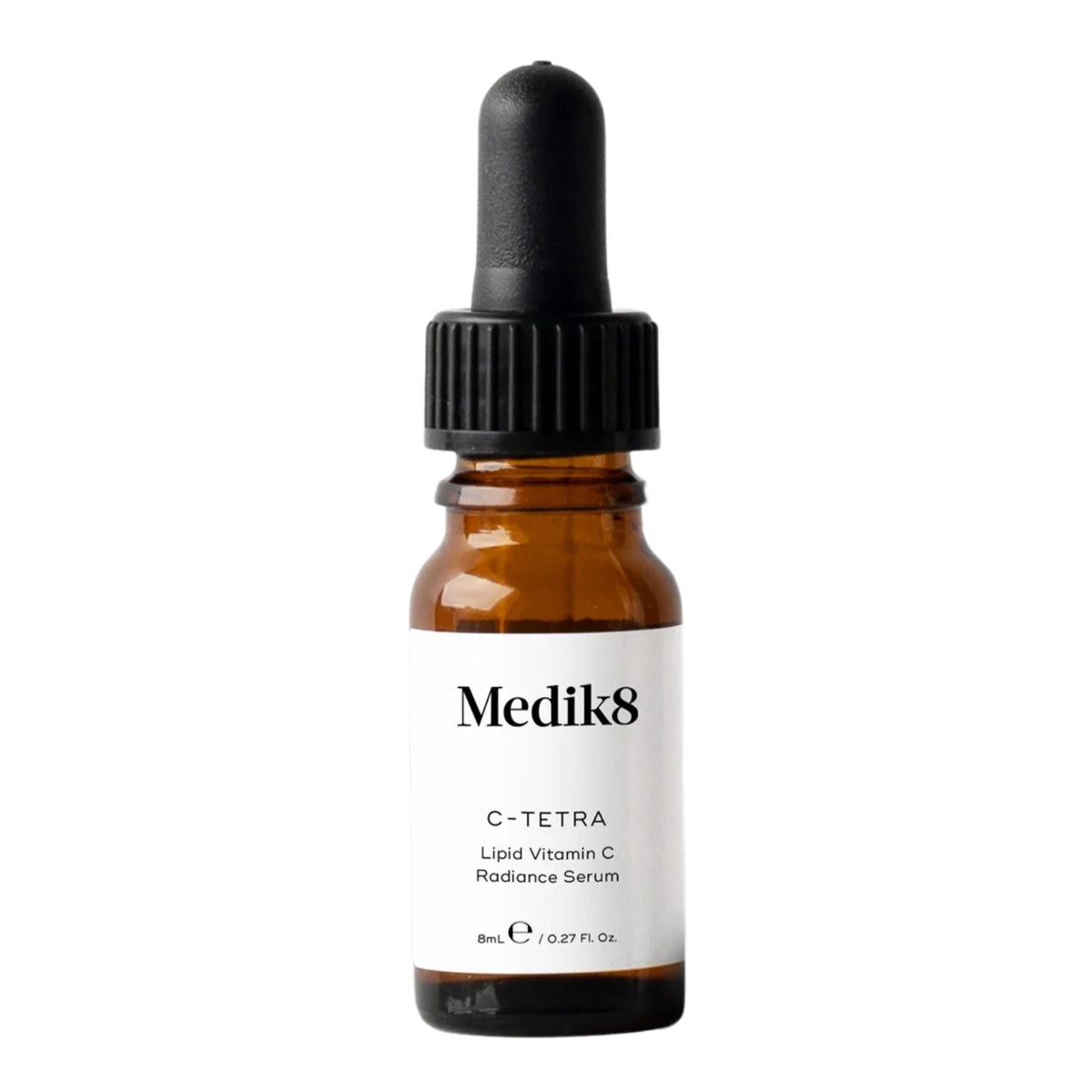
  • Medik8 C-Tetra suits skin that finds pure vitamin C too much, and comes in a travel size if you want to try it first
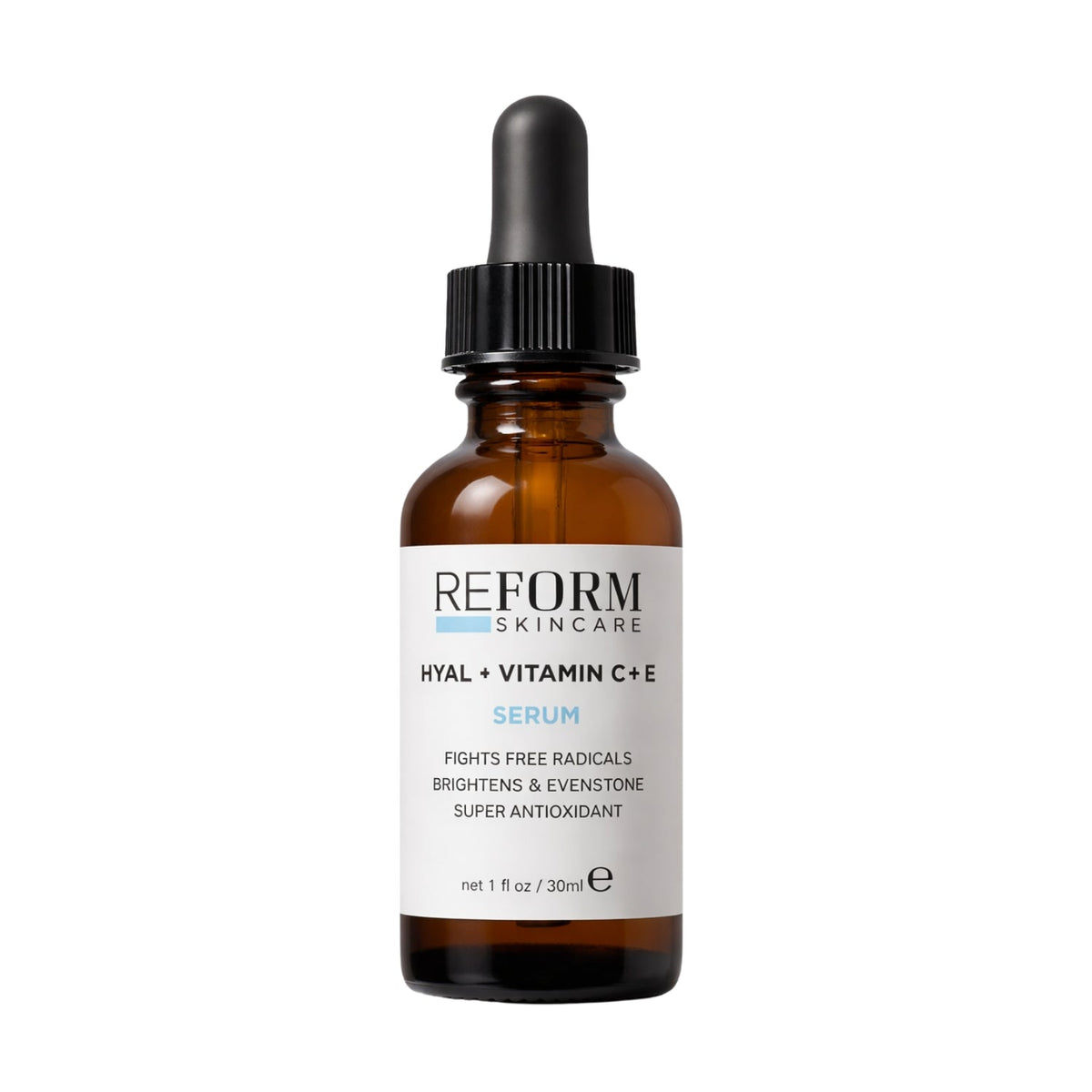
  • Reform Skincare Hyal Vitamin C + E Serum adds hyaluronic acid for dehydrated skin
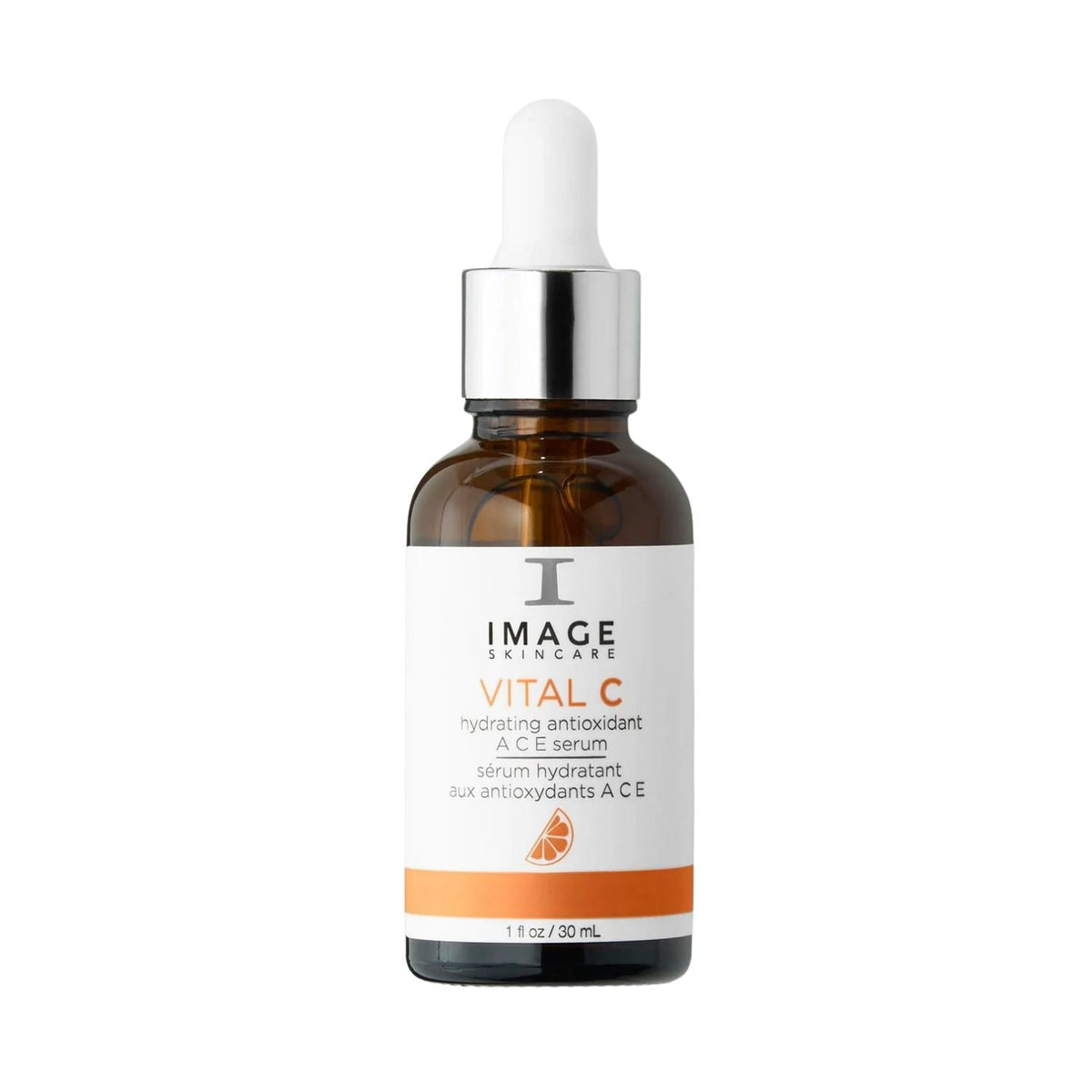
  • Image Skincare Vital C Hydrating Enzyme Masque is the once a week option

There is no cleanser, toner or SPF in this collection at the moment, so build the rest of your routine from the other ranges.

Can vitamin E cause breakouts?

Pure vitamin E oil can, yes. It is thick and occlusive and on oily or congested skin it will sit in pores.

Vitamin E inside a serum or a lightweight cream is a different matter. The amounts are small and the formula is balanced around them, so it is rarely the culprit.

If you are acne prone, stick to serums and gel textures and skip straight vitamin E oil.

Does it help with scars and stretch marks?

This is the claim vitamin E is most famous for and the one the evidence supports least. Several studies found it made no difference to scar appearance, and in one a third of people developed a rash from it.

What does help a healing scar is keeping it covered, keeping it moisturised and keeping it out of the sun for the first year.

Vitamin E is worth using for antioxidant protection. It is not a scar treatment.

When should I apply it?

Morning, under sunscreen. Antioxidants and SPF work on different parts of the same problem, so they belong together.

Cleanse, apply your vitamin C and E serum to slightly damp skin, wait a minute, then moisturiser and SPF.

Keep the bottle closed and out of the light. Antioxidants degrade on exposure to air and sun, and a serum that has turned dark orange has already done its oxidising in the bottle.