

Good skin is one thing. Skin that knows how to recover is another.
If your routine has stopped hitting the same, or your skin feels reactive, uneven or slower to reset, it’s rarely about needing more products. It’s about how your skin is functioning underneath it all.
Exosomes are one of the most talked-about shifts in advanced skincare right now. Not because they promise overnight results, but because they support something much bigger: how your skin repairs, regenerates and holds its results over time.
Here’s what you actually need to know.
What are exosomes (and why they matter)
Exosomes are microscopic messengers that move between skin cells, carrying signals that help regulate repair and regeneration.
In simple terms, they help your skin cells communicate better. And when that communication is working? Skin looks smoother, more even and far more resilient.
Unlike traditional actives that focus on surface-level results, exosomes work deeper, supporting how skin behaves rather than just how it looks. That’s what makes them so relevant if you’re focused on long-term skin quality, not quick fixes.

Why your skin stops recovering properly
Your skin is designed to renew itself, but that process isn’t always consistent.
Over time, things start to interfere:
Daily UV exposure and environmental stress
Overuse of acids and strong actives
Natural slowdown in cell turnover
Post-treatment sensitivity
Ongoing redness or low-level inflammation
When this builds up, skin doesn’t bounce back the way it used to. It looks uneven, feels reactive and takes longer to return to baseline.
At that point, it’s not about adding more. It’s about choosing what actually supports your skin.
What actually helps
Improving skin regeneration isn’t about one “hero” product. It’s about how your skin functions as a whole.
That’s where exosomes come in.
With consistent use, they can help to:
Improve overall texture and smoothness
Soften the look of fine lines
Support a stronger, more resilient barrier
Help skin recover after stress or treatments
Calm the appearance of redness
They work best alongside a routine that prioritises hydration, barrier support and daily SPF. No shortcuts, just better strategy.
Where people get it wrong
Exosomes aren’t a quick fix. And they’re not supposed to be.
They’re designed to support long-term skin function, which means results build over time, not overnight.
Another common mistake is using them in isolation. Without barrier support and SPF, you’re not giving them much to work with.
And then there’s overloading your routine. Layering too many actives can actually work against you here. Exosomes do their best work when they’re supporting the skin, not competing with an overly aggressive routine.
How to use exosomes in your routine
Exosomes sit in your treatment step, after cleansing and before moisturiser.
They’re especially useful when your skin needs extra support, whether that’s after exfoliation, alongside retinoids or during more sensitive phases.
A simple routine looks like:
Cleanse
Apply your exosome serum or ampoule
Layer hydration and barrier support
Moisturise
SPF every morning
This is about consistency. The payoff comes from how your skin behaves over time, not just how it looks on day one.
What to use (and what actually makes sense)
Formula matters here.
Dermalogica Phyto Nature E² is one of the most advanced options, designed to visibly support regeneration while improving skin resilience. A strong choice if your skin is feeling stressed, depleted or showing signs of ageing.
Medicube One Day Exosome Shot Pore Ampoule 7500 takes a more targeted approach, helping to refine texture and support smoother, more even-looking skin.
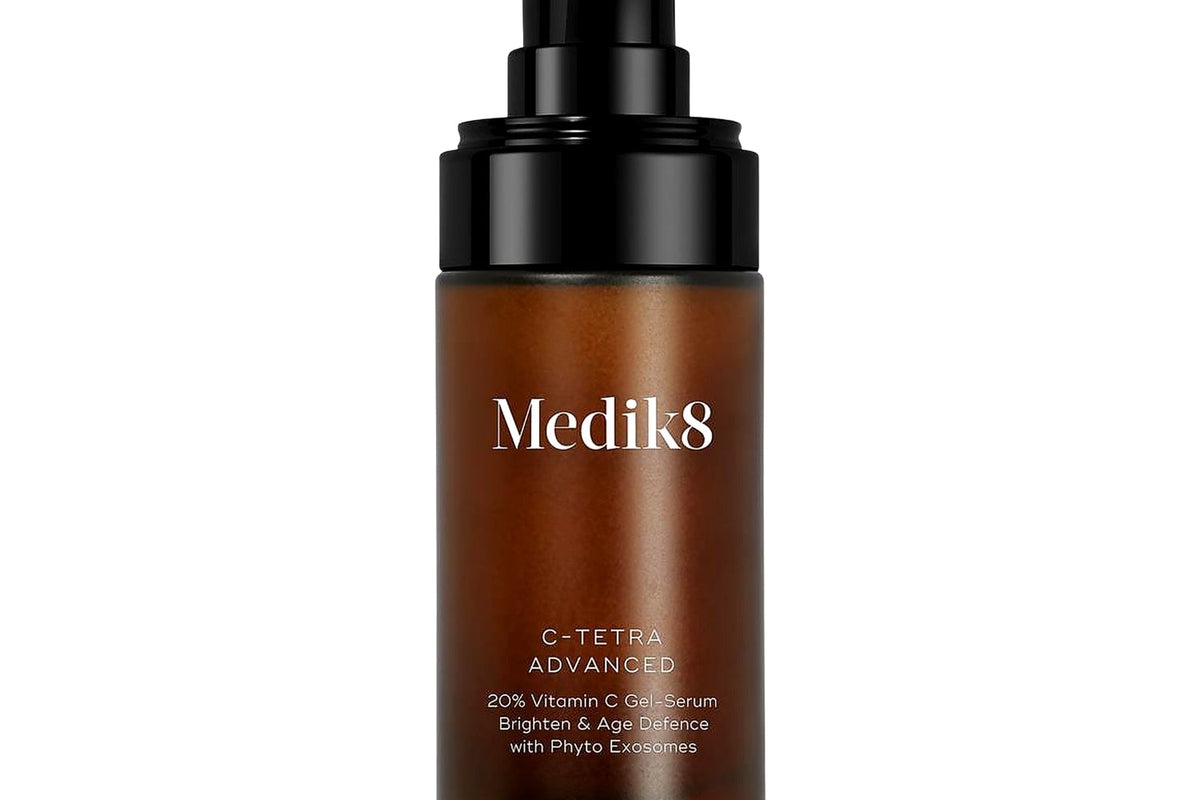
To maximise results, pairing exosomes with an antioxidant like Medik8 C-Tetra Advanced helps maintain brightness and defend against daily environmental stress.
You can explore the full SkinShop.ie Exosome Edit to find what suits your skin best.
The takeaway
Exosomes signal a shift in skincare.
Less about overcorrecting, more about supporting how your skin actually functions.
With the right routine, skin looks smoother, feels stronger and holds its results with less effort.
That’s the direction skincare is moving in.
FAQs
What are exosomes in skincare?
Exosomes are microscopic messengers that help skin cells communicate more effectively, supporting repair, regeneration and overall skin health.
Are exosomes suitable for sensitive skin?
Yes, they’re particularly useful for sensitive or compromised skin as they help support the barrier and reduce visible signs of stress
Can you use exosomes with retinol?
Yes. They work well alongside retinoids to support recovery and minimise visible irritation.
How long do exosomes take to work?
Results build gradually with consistent use. Over time, skin appears smoother, more even and more resilient.
Do exosomes replace other skincare steps?
No. They enhance your routine, helping your skin respond and recover better, but hydration, barrier support and SPF are still essential.


