

There is a moment every September when you catch your reflection in a shop window and think, that is not quite my skin. The tan has started to go patchy. A texture you did not have in June has turned up uninvited. And somewhere under all of it, dark spots you never noticed before are starting to surface now that the colour is fading. This is what a summer well lived does to a complexion. A proper post summer skincare routine is how you answer it, not by throwing every serum you own at your face overnight, but by working through it in the right order.
What is actually happening under there
Sun does not just tan skin. It burns through its antioxidant reserves faster than the body can replace them, which is a large part of why a complexion can look tired and uneven long after the actual sun exposure has stopped, as research on UV exposure and oxidative stress in skin explains. Layer on chlorine, salt water and the extra cleansing that comes with washing off sunscreen every night. The skin barrier, the outer layer that keeps moisture in and irritants out, ends up doing far more work than usual.
The tell is familiar if you know what to look for. Moisturiser sits on top rather than sinking in. Products that felt fine in June suddenly sting. And the pigmentation hiding under a tan starts to show itself the moment that tan begins to fade. None of this is permanent damage. It is a barrier asking for help before it is asked to do anything else.

The order that actually works
Skip straight to brightening or resurfacing before the barrier is stable and you will likely end up more irritated than improved, so the sequence matters as much as the ingredients themselves.
Start by doing less. For a week or two, strip things back to a gentle cleanser, a ceramide rich moisturiser and SPF. Ceramides are lipids that occur naturally in skin. Replacing them gives a stressed barrier something to rebuild with rather than fight against.
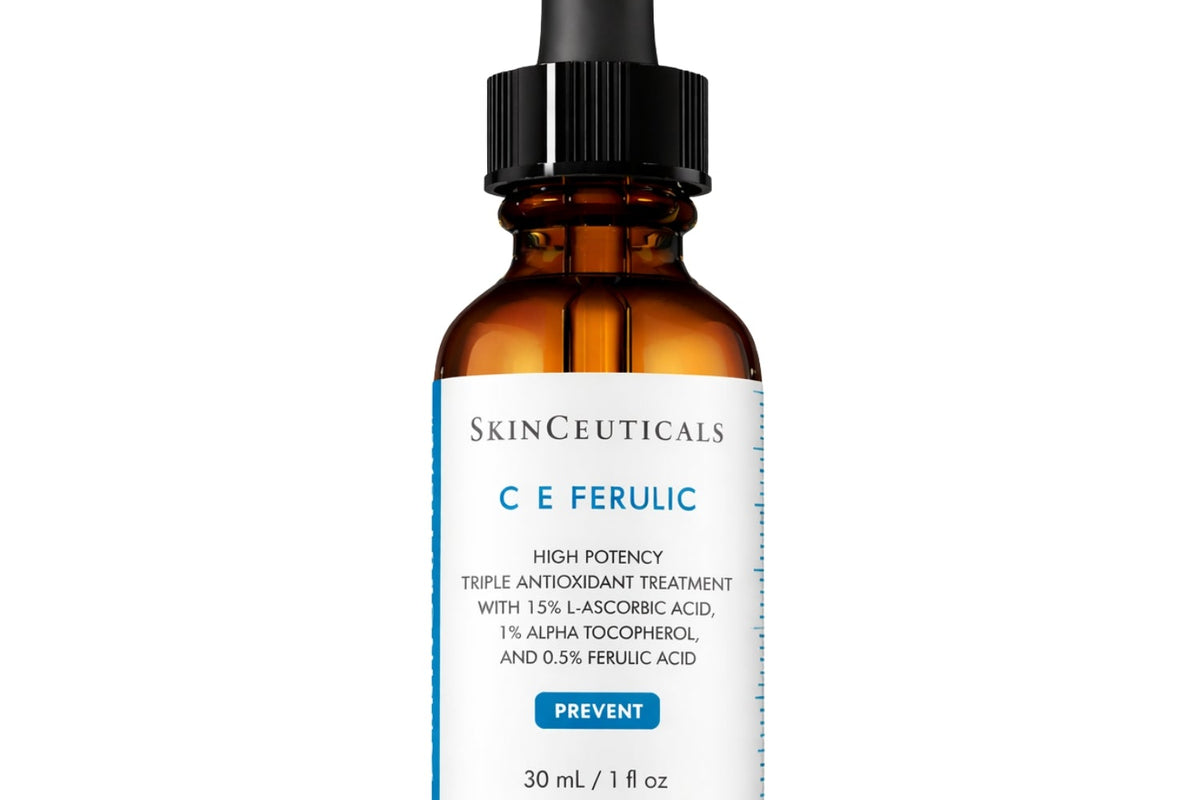
Once things have calmed, bring antioxidants back in. A vitamin C serum each morning helps counter some of the oxidative load left over from summer and starts to even out tone, though there is no need to reach for the strongest formula available on day one.
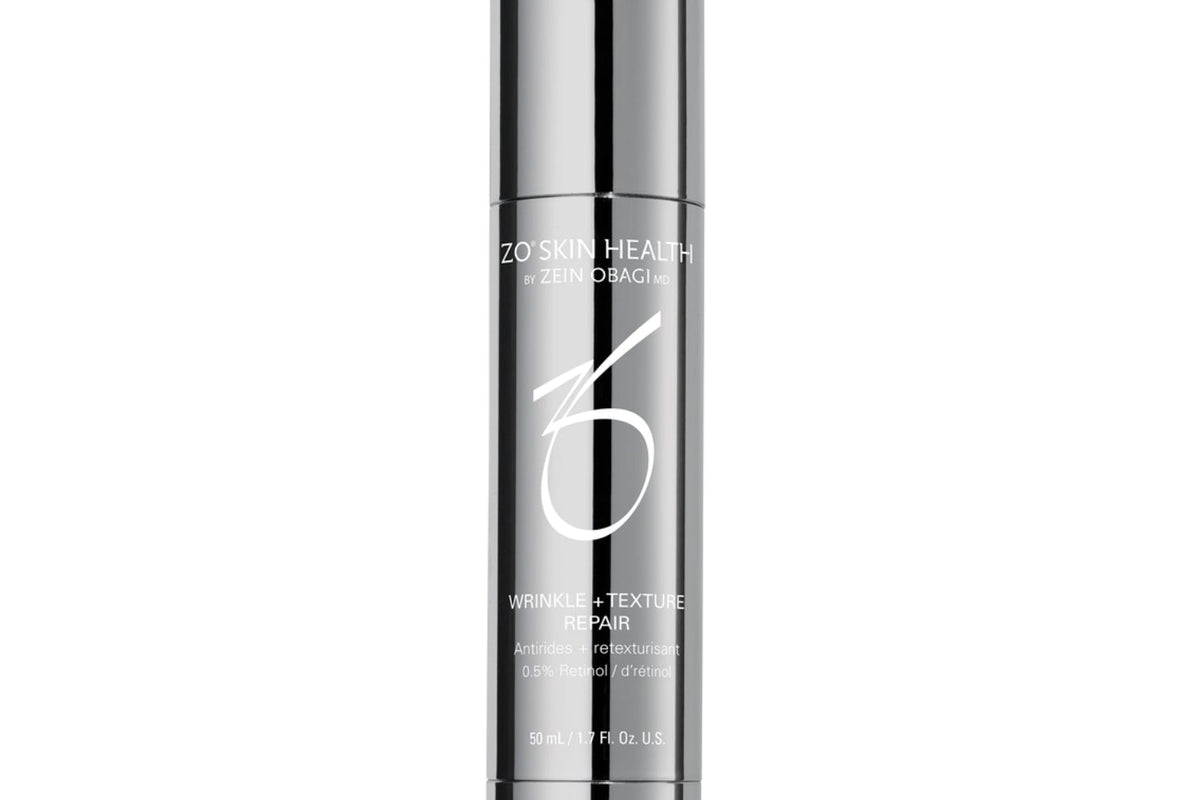
From there, reintroduce retinal or retinol slowly. If actives were paused for summer, going back in at full strength is one of the fastest ways to undo the calm you just built. Starting low and building up gives skin time to adjust properly.
Exfoliate lightly rather than often. Two or three gentle sessions a week clears rough texture and supports tone without tipping an already sensitive barrier over the edge.
And SPF stays. Post summer skin is not tougher for having survived the season. If anything, a compromised barrier reacts more, not less, so daily protection is not optional just because the beach holiday is over.
The habits worth dropping
A fading tan does not need scrubbing off. Trying tends to leave patchy irritation rather than an even finish. Jumping straight back into a strong retinol after weeks away from it is one of the most common causes of post summer flaking and breakouts. And leaving pigmentation to sort itself out rarely works, since spots left unprotected in the sun again tend to deepen rather than disappear on their own.
Your post summer skincare routine
Every product here is available on SkinShop.ie, chosen for what it actually does at this point in the recovery, not just because it is popular.
For barrier repair, Dr.Reju-All Advanced LC Ceramide Barrier Cream uses a ceramide built to closely match skin's own lipid structure, which makes it easy for compromised skin to take in. Anua 3 Ceramide Panthenol Moisture Barrier Cream is the lighter version for combination skin that still needs support without weight. For something with more clinical backing, Obagi Rebalance Skin Barrier Recovery Cream calms irritation while it repairs.
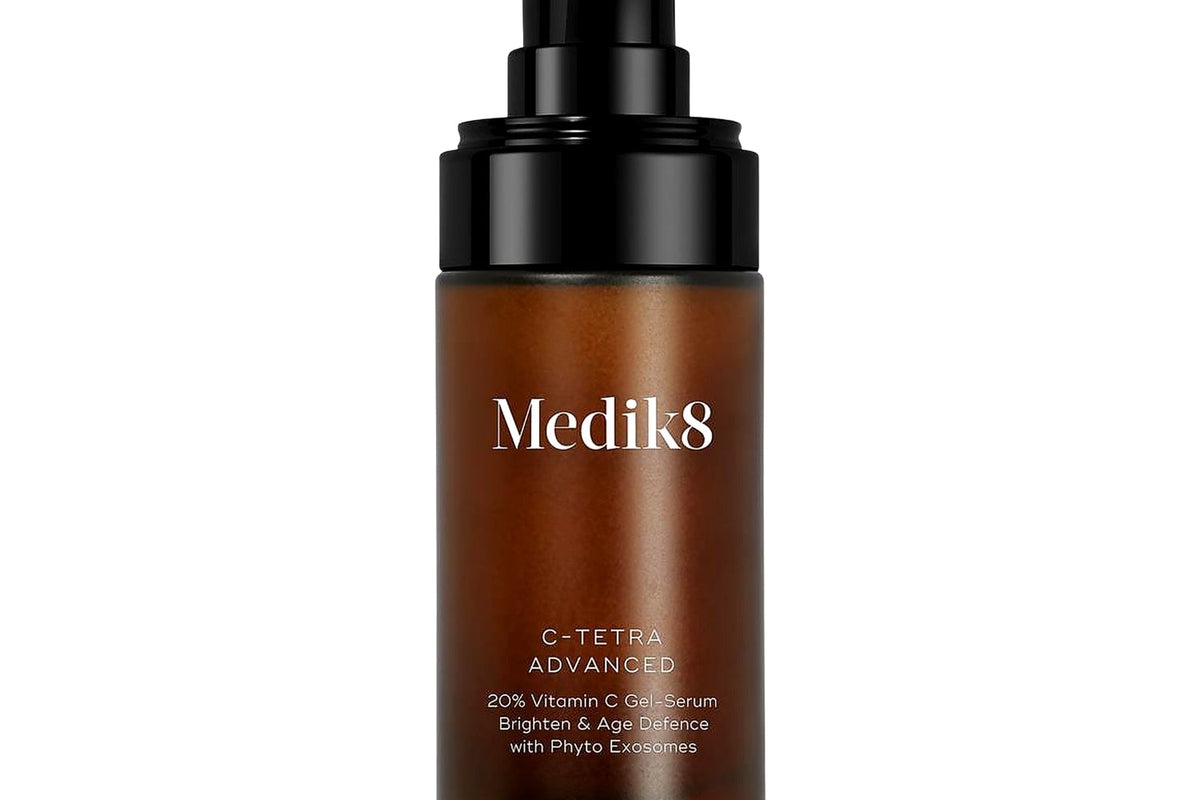
For antioxidants, Reform Skincare Vitamin C 20% Serum uses L ascorbic acid at a strength built to target hyperpigmentation directly. If skin is still finding its feet, Medik8 Daily Radiance Vitamin C pairs a gentler percentage with SPF30, useful while easing actives back in.
For exfoliation, Pestle & Mortar NMF Lactic Acid Toner is a leave on lactic acid formula gentle enough for two or three uses a week.
For reintroducing retinal, Medik8 Crystal Retinal 1 sits at beginner strength, which makes it the sensible place to restart rather than picking up where you left off.
And for daily protection, Medik8 Advanced Day Ultimate Protect SPF50+ supports the skin's own repair processes while giving the highest level of cover, which makes it the one non negotiable while everything else is recovering.
Where this leaves you
None of this needs to be complicated. Skin does not want a dramatic overhaul in September. It wants the barrier looked after first, everything else brought back gradually and SPF treated as a daily habit rather than a summer accessory. Give it four to eight weeks of that and the difference in tone and texture speaks for itself.

How long does a post summer skincare routine take to show results?
Barrier repair is often noticeable within one to two weeks. Pigmentation and texture improvements from antioxidants and gentle exfoliation tend to take four to eight weeks of consistent use to become visible.
Should retinal or retinol be paused completely over summer?
Many people do pause or reduce strong actives over summer due to increased sun sensitivity. The key after summer is reintroducing them gradually rather than picking back up at the same strength immediately.
Why does pigmentation look worse once my tan fades?
A tan can temporarily mask uneven pigmentation. Once it fades, previously hidden dark spots or patches become visible, which is why brightening ingredients and consistent SPF matter most in the weeks after summer.
What order should products go back into my routine?
Barrier support first, then antioxidants, then gentle exfoliation, then retinal or retinol reintroduced slowly. SPF stays in every single day throughout.
Is more frequent exfoliation the fastest way to fix dullness?
No. Over exfoliating compromised skin tends to worsen barrier issues and increase sensitivity. Two or three gentle sessions a week is usually enough.
Do I still need SPF once summer is over?
Yes. A compromised barrier can make skin more reactive to further sun exposure, not less, so daily SPF remains essential regardless of season.

