Clinical Skincare FAQs

What makes a brand clinical skincare?

These are the brands built for clinics, salons and skin professionals rather than for a shelf. They tend to use higher concentrations of active ingredients, publish the strengths on the packaging, and are designed to be used as a full routine rather than picked one product at a time.

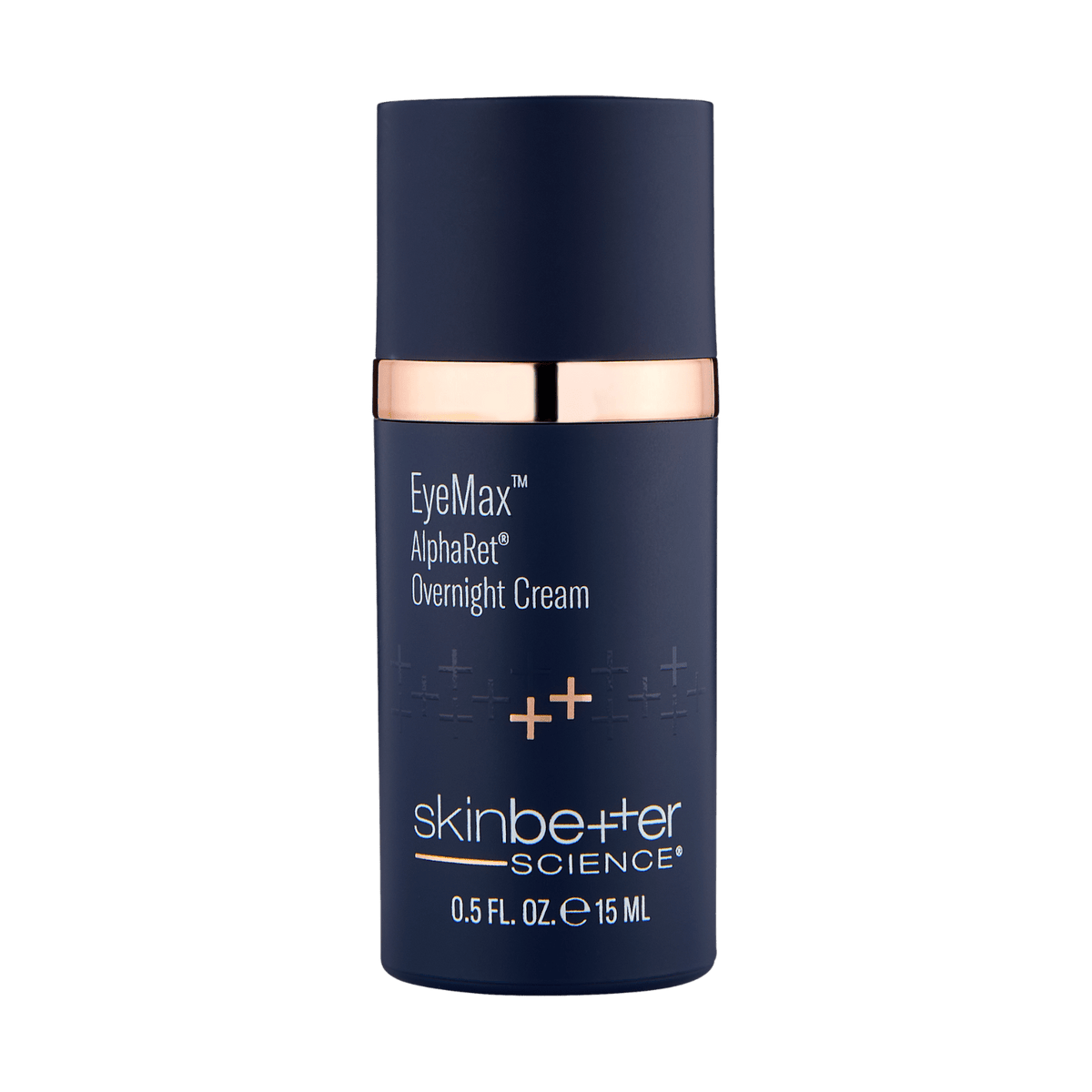
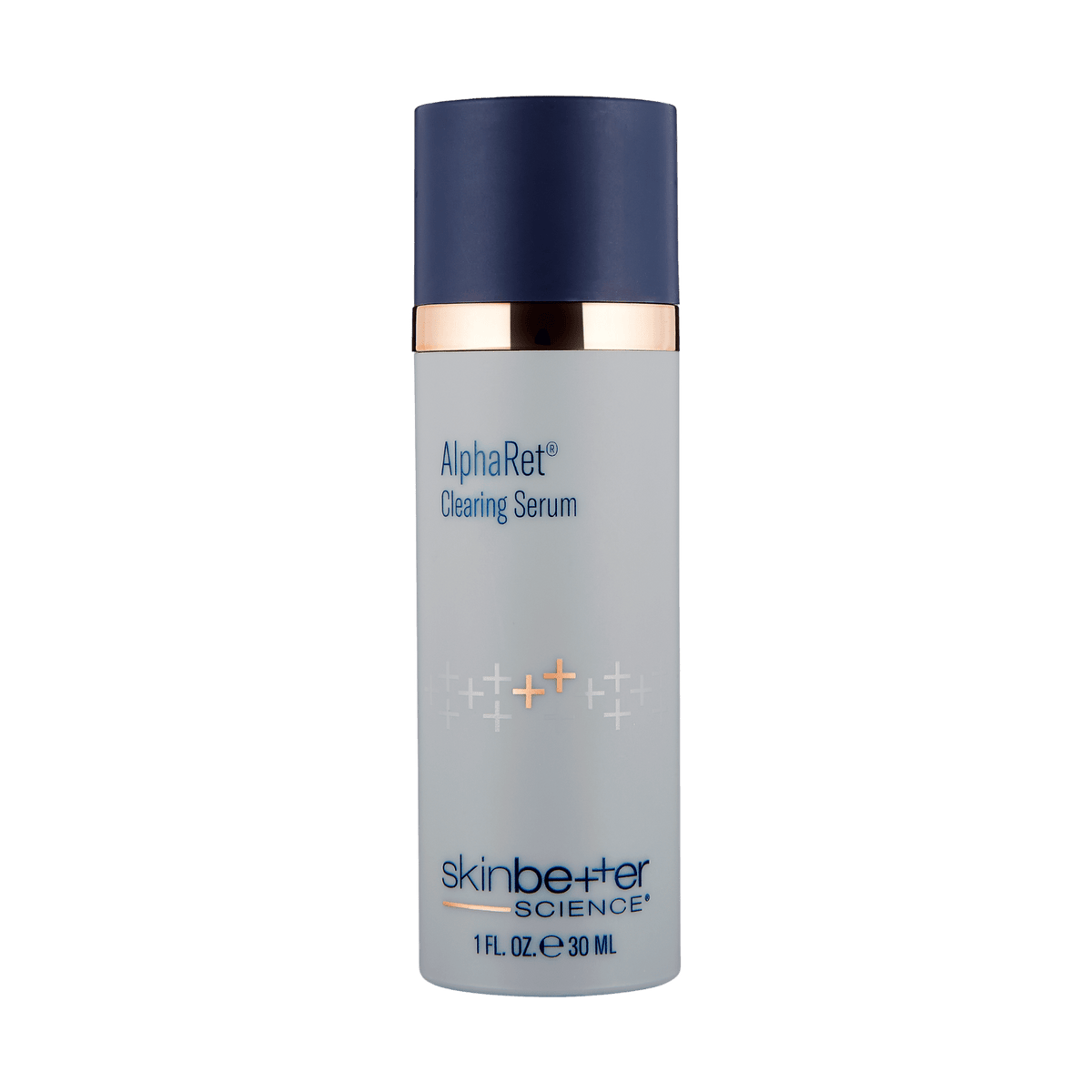
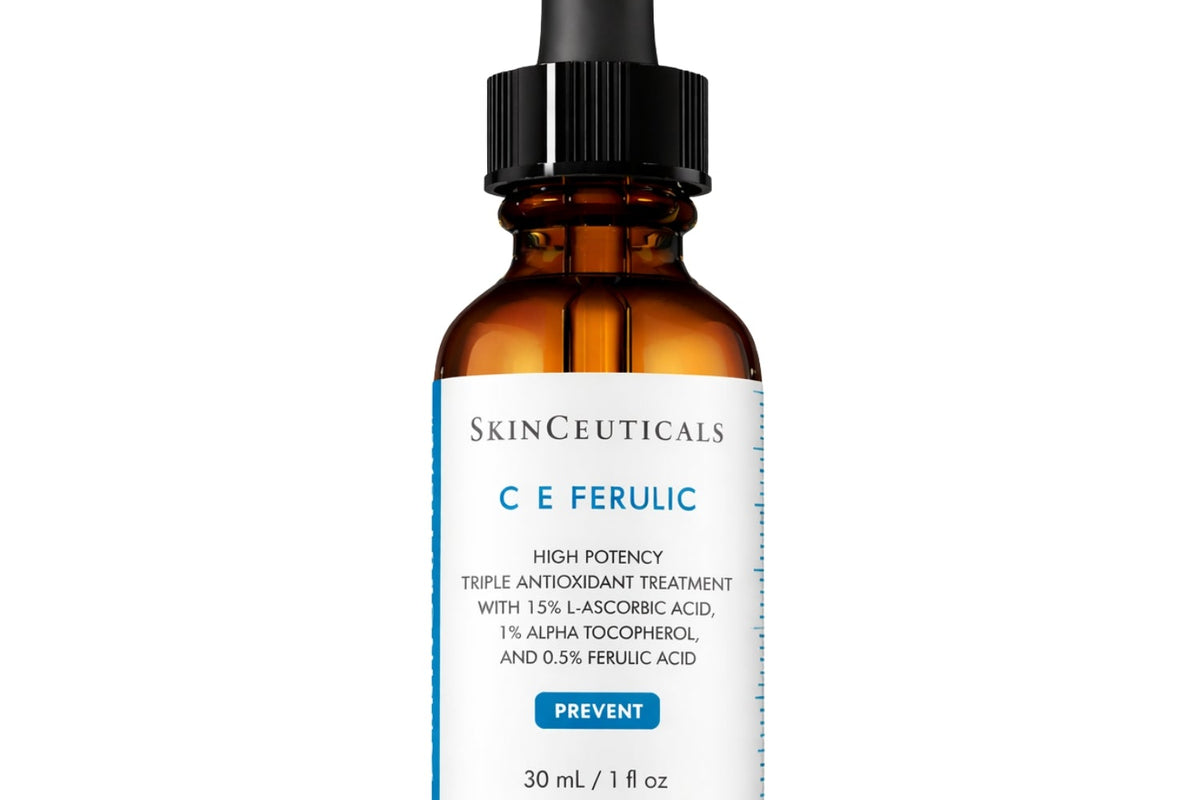
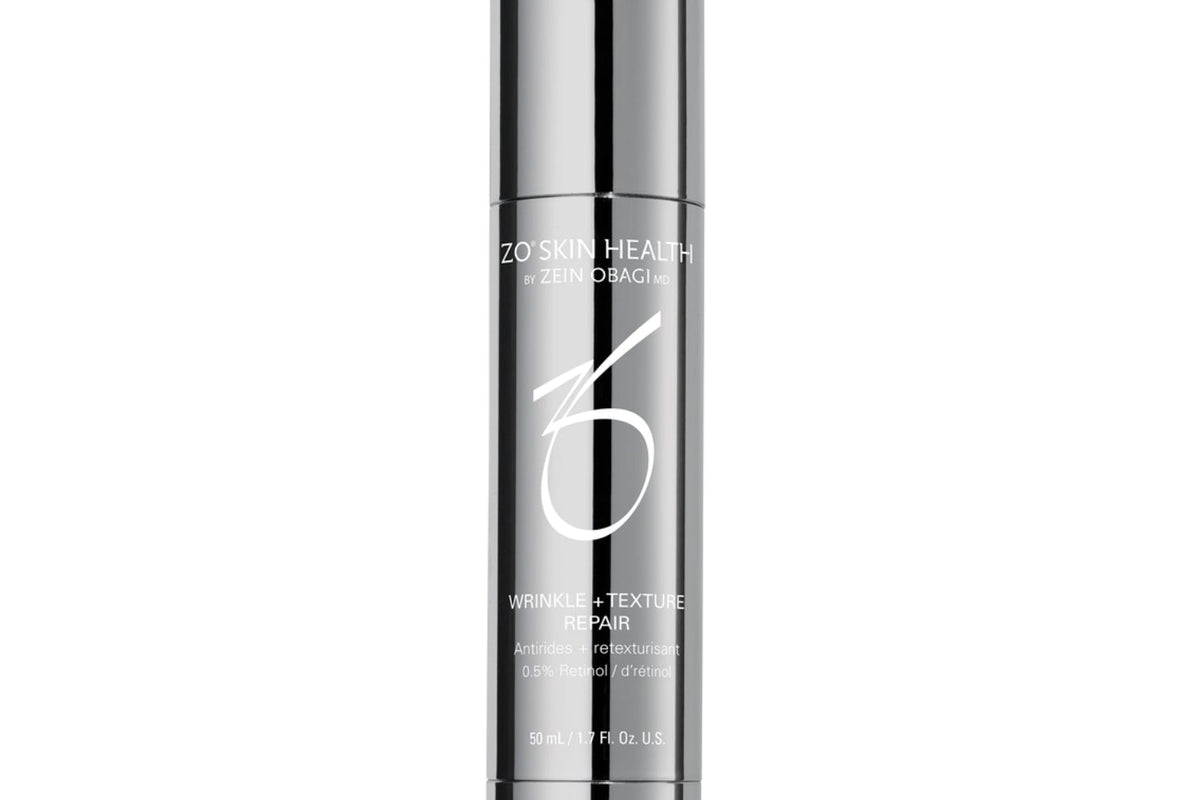
On this page that means SkinCeuticals, Obagi, Medik8, Dermalogica, Image Skincare, asap, Reform Skincare, Elementrē, Genosys and Dr Levy Switzerland.

What it does not mean is medical. None of this is prescription, none of it treats a diagnosed condition, and clinical is a description of how the brand is built and sold rather than a claim about what it can do.

What is the difference between Clinical Skincare and Advanced Skincare?

Both are active led and neither is a watered down version of the other. The split is about how the brands are set up.

  • Clinical Skincare is the professional side, brands normally sold through clinics and skin therapists, usually stronger and usually intended as a complete system
  • Advanced Skincare is everything strong and well formulated that you can choose for yourself without a consultation, from Caudalie and Murad to Neostrata and Allies of Skin

No product sits in both, so the two pages never show you the same thing twice. Most people end up with a mix, and there is no reason to stay inside one page.

Do I need a consultation to buy clinical skincare?

No. Everything on this page can be bought here directly.

That does put more of the thinking on you though. These brands assume someone has assessed your skin and chosen a strength, so read the product page properly, start at the lower end of a range and introduce one new active at a time rather than a full routine at once.

If you are already seeing a dermatologist or a skin therapist, bring them what you are using. They will tell you quickly if something is working against your treatment.

Where should I start?

Four products, added in this order, with a few weeks between each one.

  • A cleanser that suits your skin, which is the least exciting and most load bearing choice on the list
  • A sunscreen, worn every morning, because everything else on this page works better underneath one
  • An antioxidant serum in the morning, usually vitamin C
  • A retinoid at night, starting at the lowest strength the range offers

That is a complete routine and it will do more than six products bought in one go. Add a moisturiser if your skin wants one, and leave eye creams, masks and exfoliants until the base is settled.

Is clinical skincare too strong for sensitive skin?

Not inherently, but it is easier to get wrong. Every one of these brands makes something for sensitive skin, and most of them publish strengths precisely so you can start low.

What causes trouble is buying the strongest version because it sounds more effective. A 0.3% retinal used nightly for a year does far more than a 1% abandoned after a fortnight because your face was peeling.

Start at the bottom of a range, use it twice a week, build up, and give each new product a month before adding another. If your skin is persistently red, stinging or flaring rather than just occasionally sensitive, get that looked at by a GP or a dermatologist before spending more. Rosacea and dermatitis need treating, not a different serum.

Can I mix products from different clinical brands?

Yes, and most people do. The brands are built as systems but nothing breaks when you take a cleanser from one and a serum from another.

The risk is not the brands clashing, it is doubling up on the same active without noticing. Two vitamin C serums, or a retinoid alongside an acid toner and an exfoliating cleanser, will irritate skin regardless of whose name is on the bottle.

Write down what each product is actually doing rather than what it is called. One antioxidant, one retinoid, one exfoliant across the whole routine is plenty.