

Pigmentation is one of the most searched skincare concerns in Ireland and also one of the most misunderstood. Whether you are dealing with post acne marks that refuse to fade, sun induced dark spots that have built up over years or the kind of persistent uneven skin tone that no foundation quite covers, the frustration is real. The good news is that modern skincare has never been better equipped to address it. The less good news is that the products and steps that actually make a difference are often not the ones getting the most attention.
This is a guide to understanding what pigmentation actually is, what triggers it and which ingredients have the clinical evidence behind them. It also includes a curated edit of products from our Pigmentation Collection that genuinely deliver.
Understanding Pigmentation: What Is Actually Happening in Your Skin
Hyperpigmentation is a broad term for any area of the skin where melanin, which is the natural pigment responsible for skin colour, is produced in excess and becomes concentrated. The result is a patch, spot or generalised unevenness that appears darker than the surrounding skin.
There are several distinct types worth knowing about because they respond differently to treatment.
Post inflammatory hyperpigmentation, often shortened to PIH, is the discolouration left behind after the skin has experienced some form of trauma. Acne is the most common cause in this category. When a breakout heals, the inflammatory response can trigger an overproduction of melanin in that localised area, leaving a flat dark mark. This is not scarring in the structural sense as the skin texture is typically smooth, but the discolouration can linger for months or longer without targeted intervention.
Melasma is a form of pigmentation strongly linked to hormonal changes, including pregnancy, contraceptive use and perimenopause. It typically appears symmetrically across the cheeks, forehead or upper lip and can be particularly persistent because it is often triggered by a combination of hormonal and UV factors simultaneously.
Solar lentigines, commonly called sun spots or age spots, are the result of cumulative UV exposure over time. They develop gradually and tend to appear on the areas most consistently exposed to light including the face, hands, chest and décolletage.
Knowing which type you are dealing with helps clarify which ingredients and approaches are most likely to be effective.

What Causes Pigmentation to Worsen
UV exposure is the single most significant factor in triggering and deepening pigmentation of every kind. Even for post inflammatory marks that have nothing to do with sun damage, UV light will make them darker and slower to fade. This is why SPF is not optional in any pigmentation routine. It is the foundational step without which everything else is working against the clock.
Hormonal fluctuations, as noted with melasma, are another major driver and one that is not always within our control. However, protecting the skin barrier and using targeted actives can still make a meaningful difference even in hormonally driven pigmentation.
Heat, including from screens, cooking or saunas, can also aggravate certain forms of pigmentation. This is particularly relevant for melasma sufferers who may notice flares that are not obviously connected to sun exposure.
Inflammation is the underlying mechanism in post inflammatory hyperpigmentation. Anything that causes ongoing inflammation in the skin, from picking at blemishes to using harsh or sensitising skincare or overloading on active ingredients, will make the problem worse rather than better.
The Ingredients With Real Evidence Behind Them
L-ascorbic acid, which is the active form of vitamin C, is one of the most thoroughly researched brightening ingredients in skincare. It works by interfering with an enzyme called tyrosinase, which is required for melanin synthesis. By slowing down that process it helps prevent new pigmentation from forming while also providing antioxidant protection against environmental damage.
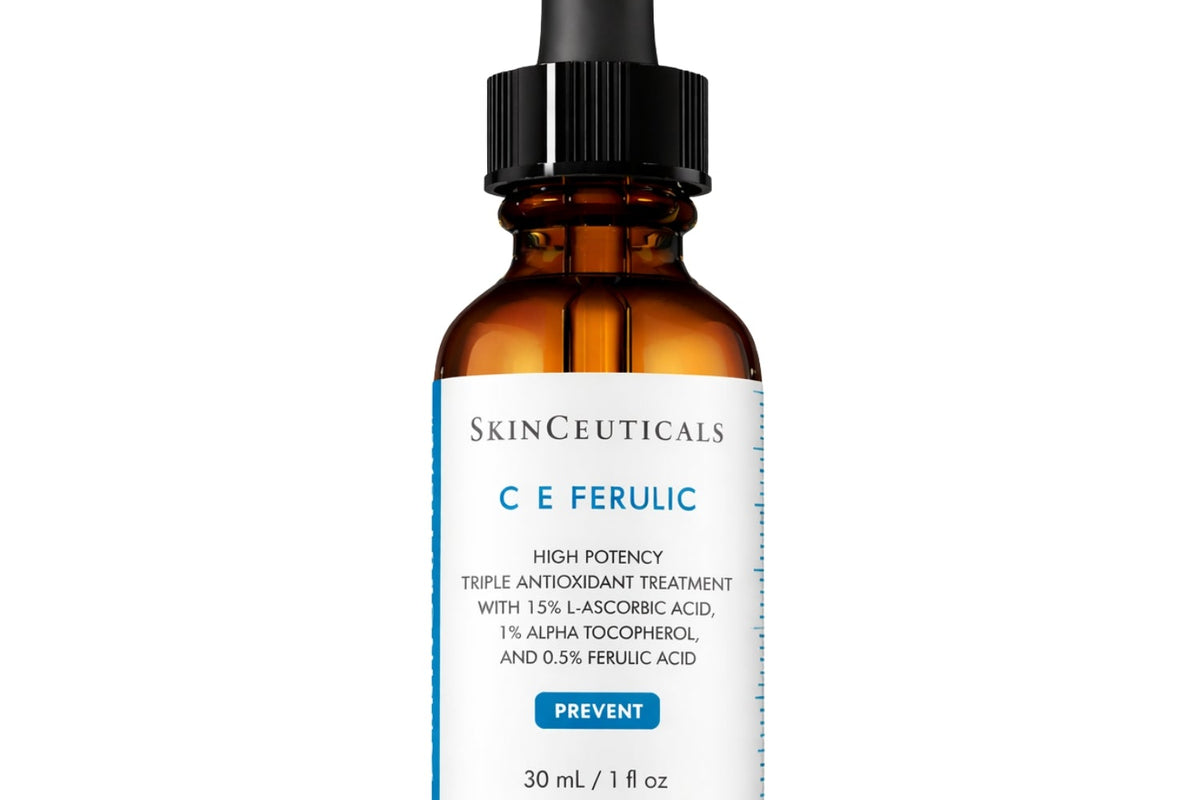
Vitamin C is notoriously unstable as an ingredient so formulation matters enormously. The most clinically validated products tend to use L-ascorbic acid at a concentration of between 10 and 20 percent in a low pH base. The SkinCeuticals C E Ferulic serum, which contains 15% L-ascorbic acid alongside vitamin E and ferulic acid to dramatically improve its stability and efficacy, is one of the most studied vitamin C formulations available. It is a consistent first recommendation for anyone dealing with uneven skin tone, dullness or sun damage.

For those with dry or sensitive skin who find higher strength L-ascorbic acid formulas reactive, the Image Skincare Vital C Hydrating Anti Ageing Serum offers stabilised vitamin C alongside hyaluronic acid and nourishing botanical extracts. It delivers antioxidant and brightening benefits in a considerably more comfortable format.
Retinol, a derivative of vitamin A, accelerates the skin's natural cell turnover cycle. As fresher cells move to the surface more quickly, areas of hyperpigmentation are shed more rapidly and overall skin tone becomes more uniform. Retinol also stimulates collagen production, which means it addresses skin texture and fine lines alongside pigmentation concerns.
The Obagi Retinol 1.0 Cream is a high strength retinol formula that uses a time released delivery system to reduce the likelihood of the irritation and dryness that can accompany stronger retinoids. For anyone who has built up a tolerance to lower concentrations, this is a genuinely results oriented next step.
It is worth noting that retinol requires consistent and patient use. Visible improvement in pigmentation typically takes a minimum of eight to twelve weeks. Sun protection is non negotiable when using retinol as the skin becomes more photosensitive during the process.
Niacinamide, a form of vitamin B3, has become one of the most widely used brightening actives in modern skincare and for good reason. It works at a different stage of the melanin production process, blocking the transfer of melanin to the surface of the skin cells rather than inhibiting its production. This means it complements rather than competes with vitamin C or retinol in a routine.
Niacinamide is also exceptional at reducing redness and post blemish marks, improving the skin barrier and regulating sebum production. It is remarkably well tolerated across skin types including those prone to sensitivity.
The Anua Niacinamide 10% + TXA 4% Dark Spot Correcting Serum pairs a high concentration of niacinamide with tranexamic acid, which further suppresses melanin transfer, and arbutin, which is a gentler alternative to hydroquinone. It is a thoughtfully formulated and accessible entry point into targeted pigmentation correction.
Tranexamic acid has emerged as one of the most promising ingredients for stubborn and hormonally driven pigmentation including melasma. It works via multiple mechanisms simultaneously, inhibiting melanin synthesis, reducing UV induced pigmentation and calming the inflammatory signals that trigger excess melanin production. Clinical studies have demonstrated its efficacy even in cases where other actives have had limited success.
It is also notably gentle, making it suitable for skin types that cannot tolerate higher strength actives or that are dealing with sensitivity alongside their pigmentation concerns.
A Note on Barrier Integrity
None of the above ingredients can work effectively if the skin barrier is compromised. A damaged barrier means greater transepidermal water loss, increased sensitivity and a reduced ability to tolerate active ingredients. A cleanser that maintains rather than disrupts the skin's natural microbiome is therefore genuinely important in any pigmentation routine.
The BIOJUVE Conditioning Cleanse supports the skin's microbiome, which is the community of beneficial bacteria that helps regulate barrier function and immunity, while removing impurities without stripping. It is a considered first step that protects the foundation all subsequent actives are building on.
For skin that needs additional calming support, particularly where post blemish marks are combined with ongoing sensitivity or redness, the Dr. Althea 345 Relief Cream contains niacinamide alongside soothing botanical ingredients. It helps reduce visible redness and supports barrier recovery in one straightforward step.

Common Mistakes That Slow Progress
- Skipping SPF is the most common and most significant error. SPF should be the final morning step in any routine targeting pigmentation, every single day regardless of weather or season. UV light does not require direct sunshine to trigger melanin production.
- Overloading on actives is another frequent misstep. More is not more when it comes to pigmentation. Stacking too many exfoliating or melanin inhibiting ingredients simultaneously can push the skin into a state of irritation, which paradoxically leads to more post inflammatory pigmentation. A thoughtfully chosen routine of two or three targeted actives used consistently will always outperform a chaotic approach.
- Expecting rapid results sets many people back. Pigmentation develops over time and fades over time. A realistic expectation for visible improvement is eight to twelve weeks of consistent use.
- Picking at blemishes is one of the most direct routes to lasting post inflammatory marks. Every time a healing blemish is disturbed the inflammatory response is extended and the likelihood of prolonged discolouration increases significantly.
- Switching products too frequently means the skin never has the opportunity to respond to anything. Choose your routine, commit to it and give it time.
A Pigmentation Routine That Actually Works
Morning
Cleanse with the BIOJUVE Conditioning Cleanse. Follow with the Anua Niacinamide 10% + TXA 4% Dark Spot Correcting Serum, allowing it to absorb fully before layering the SkinCeuticals C E Ferulic serum. Finish with SPF 30 or higher.
Evening
Cleanse again. On nights you use retinol, apply the Obagi Retinol 1.0 Cream after any lighter serums and allow it to absorb before moisturising. Begin with two to three nights per week and build frequency gradually based on how your skin responds. On alternate evenings the Dr. Althea 345 Relief Cream makes an excellent calming and supportive option for skin that needs recovery time between actives.
The Takeaway
Treating pigmentation effectively is a long game but it is entirely winnable with the right approach. Understanding the type of pigmentation you are dealing with, building a routine around clinically supported ingredients and protecting your results with SPF every single day creates the conditions for real and lasting improvement. Consistency matters far more than complexity.
Explore the full Pigmentation Collection at SkinShop.ie and find the routine that works for your skin.
FAQs
How long does it take to see results when treating pigmentation?
Most people begin to notice visible improvement after eight to twelve weeks of consistent use. Some deeper or more established pigmentation may take longer. The key is maintaining the routine and protecting results with daily SPF.
Can I use vitamin C and niacinamide together?
Yes. Despite an outdated concern that they could interact negatively, current formulations are designed to work alongside each other without issue. Using them together can actually enhance results as they target melanin production through different mechanisms.
Is retinol safe to use if I have sensitive skin?
Retinol can be used on sensitive skin but requires a more gradual introduction. Starting with one to two applications per week and building slowly over several months allows the skin to adapt. Using a moisturiser that supports the skin barrier alongside it helps minimise dryness or reactivity.
What is the difference between post inflammatory hyperpigmentation and melasma?
Post inflammatory hyperpigmentation is discolouration caused by inflammation or trauma to the skin, most commonly after acne. Melasma is driven by hormonal changes combined with UV exposure and typically appears symmetrically across the face. Melasma tends to be more persistent and may require longer or more targeted treatment.
Does pigmentation come back after treatment?
It can if the underlying triggers are not managed. Daily SPF is the most important preventative measure. For hormonally driven melasma, managing exposure to heat and UV while maintaining a consistent routine significantly reduces the likelihood of recurrence.
Which pigmentation ingredient should I start with if I am new to actives?
Niacinamide is the most accessible starting point. It is well tolerated across virtually all skin types, compatible with most other actives and addresses multiple pigmentation mechanisms simultaneously. The Anua Niacinamide 10% + TXA 4% Dark Spot Correcting Serum is a strong introductory choice.


