

There is a particular kind of fatigue that arrives with a long, hot day. The kind that makes the idea of a full summer nighttime skincare routine feel like one task too many. And yet summer nights are precisely when skin is doing its most important work, quietly repairing everything the day has thrown at it: sun, sweat and sunscreen.
What follows is not an extra step. It is the step that decides how your skin actually looks come September.
Why summer skin needs a different nighttime skincare routine after dark
By evening, skin has typically spent hours managing UV exposure, perspiration and a steady top up of SPF. All of which settles, quite literally, on the surface. The skin barrier, that essential outer layer responsible for keeping moisture in and everything else out, tends to feel a little more compromised than it does in cooler months. Pores can feel congested. Skin can look tired rather than radiant.
Night, fortunately, is when skin does its best repair work. Cell turnover increases once the sun goes down and any actives applied in the evening get hours of uninterrupted time to do their job, free from the interference of daylight. Which makes the case for a considered summer nighttime skincare routine rather convincing.

What genuinely helps, according to the skin itself
A few principles separate a routine that works from one that simply exists.
Cleansing properly matters more than usual. A single cleanse rarely shifts a full day of SPF, sweat and city air. An oil or balm cleanser followed by something gentler tends to do the job without leaving skin feeling stripped.
Lightweight hydration outperforms heavy layering. Skin that has spent the day in heat is not usually asking for richness. Formulas built around humectants, ingredients that draw water into the skin, tend to suit warm evenings far better than anything dense or occlusive.
Repair should come before intensity. A day of genuine sun exposure is not the moment to introduce a new acid or a stronger retinoid. Supporting the barrier matters more than testing it.
Antioxidants are usually framed as a daytime job, neutralising the free radical damage that builds up from UV and pollution exposure. That is true, but it is not the whole picture. Certain formulas are specifically built for the evening, working alongside the skin's natural repair cycle rather than its daytime defences. SkinCeuticals Resveratrol B E is the clearest example on the shelf, a night concentrate designed to support firmness and repair while skin rests rather than to shield it from the day ahead.
Retinol earns its place here too, with one caveat. Summer is not the season to introduce a strong retinoid or push frequency. For anyone starting out, or anyone whose skin runs more reactive through the warmer months, Medik8 Crystal Retinal 3 is a sensible entry point, formulated at a lower strength specifically to ease skin in without overwhelming a barrier that is already managing heat and sun exposure.
Where LED fits into a summer evening
LED has no sun sensitivity to factor in, which makes it one of the more straightforward additions to a summer evening routine. The Omnilux Contour Face Mask uses red and near infrared light to support collagen and elastin, suiting the repair window skin opens up at night without adding any actives that need to be managed around daylight.

The myths worth retiring
Oilier summer skin does not mean less moisture is required. Skipping moisturiser tends to do the opposite of what people intend, prompting skin to overcompensate and produce more oil rather than less.
There is also a habit of carrying an unchanged exfoliating or retinoid routine straight through summer at full strength, without adjusting for increased sun sensitivity. Reducing frequency, rather than abandoning the ingredient altogether, tends to be the more sensible approach, alongside consistent SPF each following morning.
And then there is the assumption that the evening routine is secondary to the morning one. It is not. A flawless SPF routine cannot undo what an inconsistent night routine allows to build up.

Building the summer nighttime skincare routine, step by step
- Oil or balm cleanse. This is the step that actually dissolves SPF, sebum and the accumulation of the day, before anything else even begins.
- Gentler second cleanse. This finishes the work without unsettling the skin barrier further. Dermalogica's gentler formulas suit this particularly well for skin that runs warm through summer.
- Hydrating toner or essence. Korean skincare does this better than almost anyone. Beauty of Joseon and Anua both produce lightweight toners that hydrate rather than tighten, which suits summer skin that has had quite enough astringency for one day.
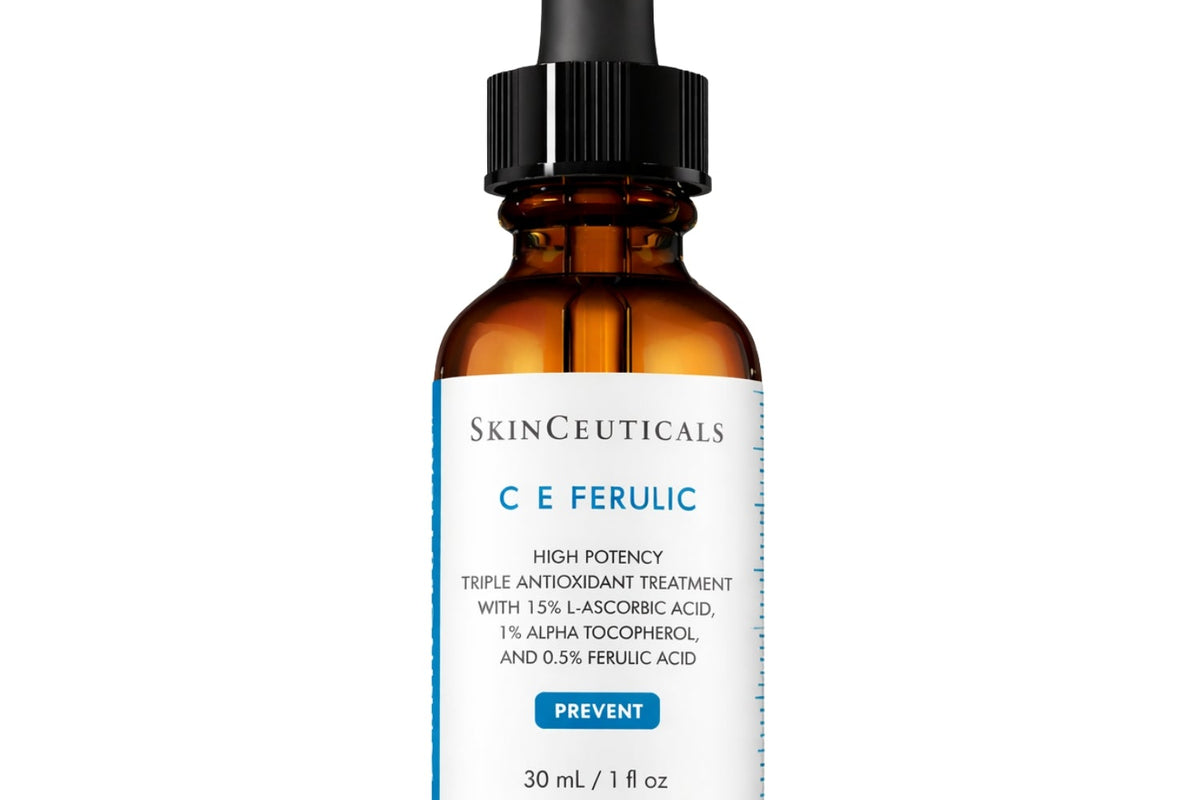
- A serum with purpose. This is where ingredient logic earns its place. A night specific antioxidant such as Resveratrol B E supports skin that has had genuine sun exposure while it continues repairing through the night. For skin that leans more dehydrated or congested in the warmer months, something focused on barrier support rather than aggressive treatment tends to be the wiser evening choice.
- Something lighter to finish. Rich creams rarely feel pleasant in summer heat. A gel based or hydration focused moisturiser tends to sit far better beneath bedding on a warm night.
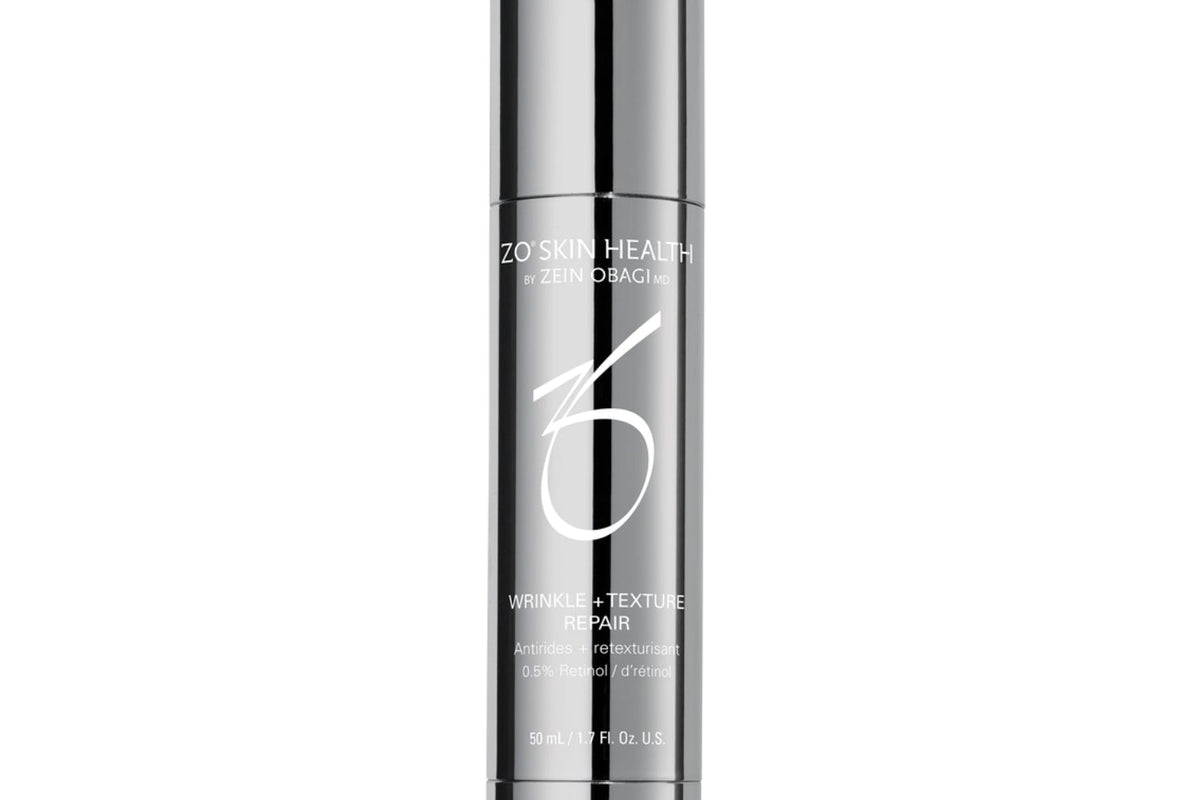
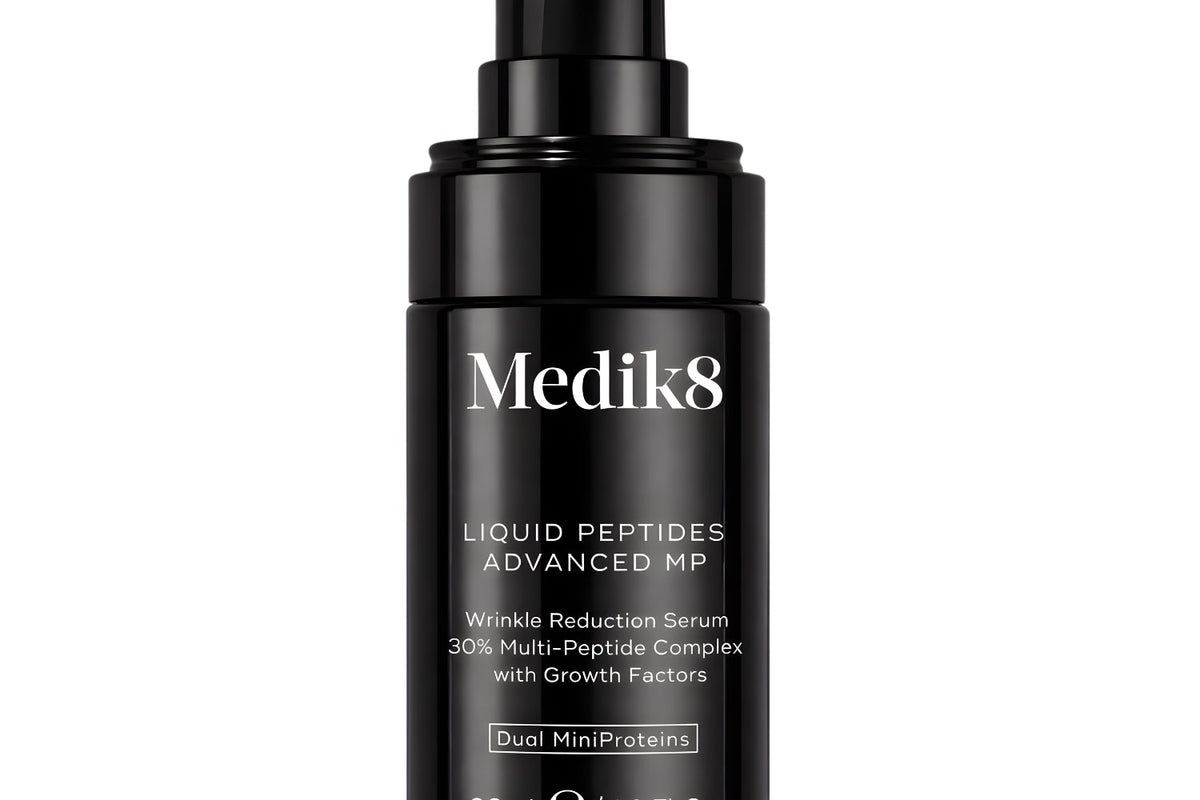
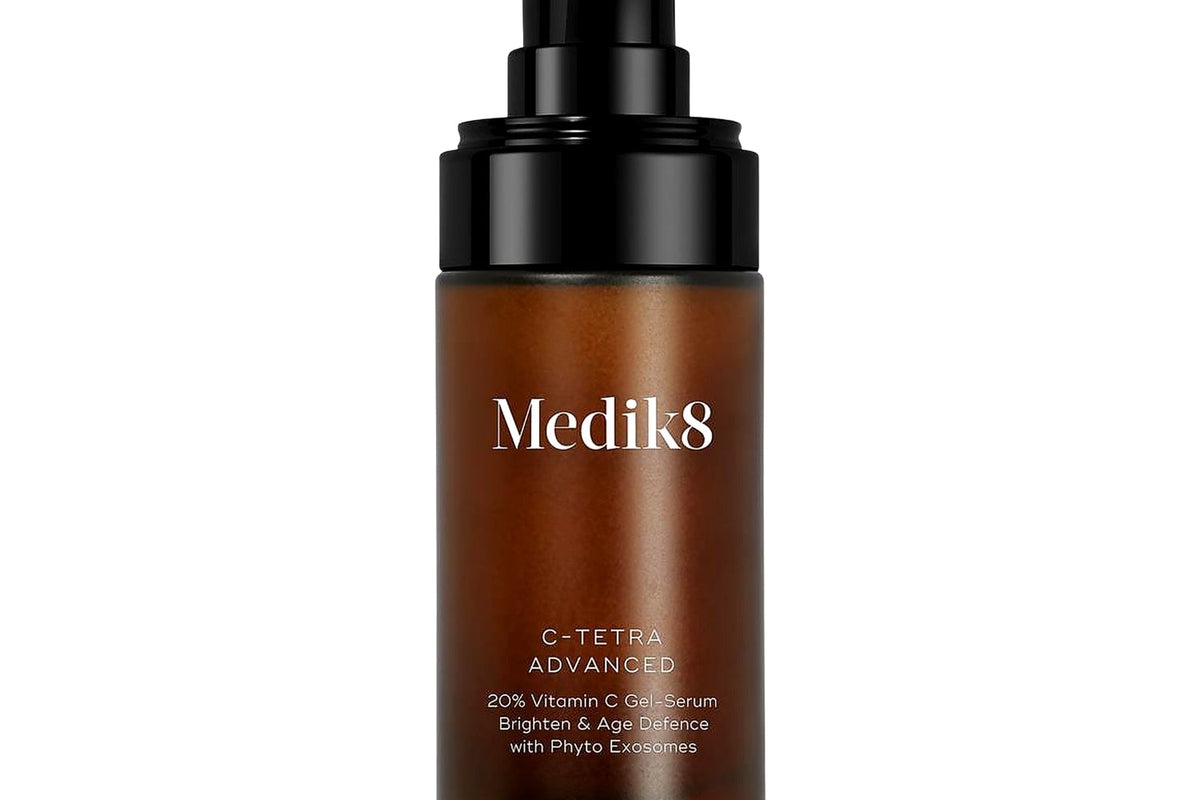
- Targeted treatment, when the skin allows it. On nights when skin has not been freshly sun exposed, this is where Medik8's retinol or peptide formulas can earn a place, used a few times a week rather than nightly through the height of summer. LED, including the Omnilux Contour Face Mask, fits neatly here too on the nights an active feels like too much.
The takeaway on your summer nighttime skincare routine
Here is where theory becomes practice. The edit below gathers everything needed to put that evening order into action, from the first cleanse through to the final, lighter finish. Each piece earns its place for a reason rather than habit, so building this routine is simply a matter of working through it in sequence.
Does my moisturiser need to change for summer nights?
Generally, yes. Skin tends to respond better to something lighter and more hydration focused in summer than the richer creams suited to colder months.
Can retinoids still feature in a summer nighttime skincare routine?
They can, though many find it sensible to reduce frequency and remain diligent with SPF the following morning, given how reactive skin can be after sun exposure.
Why does skin feel oilier at night despite regular moisturising?
This often points to insufficient hydration during the day, which can prompt skin to produce more oil in an attempt to compensate.
Is double cleansing essential every night through summer?
For most people wearing daily SPF, yes. A single cleanse rarely removes sunscreen and the day's residue fully, which can lead to congestion over time.
Can the same serum be used morning and night across summer?
It depends on the formula. Antioxidant serums often suit both, while stronger actives are generally better kept for the evening, particularly through the warmer months.

