

There is a section in most people's bathroom cabinet that quietly accumulates products they are not entirely sure how to use. Mists and serums tend to live there. They get layered in with good intentions, used in the wrong order or skipped entirely because the logic behind them was never properly explained. That ends here. Mists and serums are two of the most useful categories in skincare when you understand what they are actually doing.
What mists and serums have in common
Both mists and serums are lightweight, leave-on formats designed to deliver active ingredients efficiently into the skin. Neither is a cleanser, neither is a moisturiser and neither is optional once you understand what they bring. The difference is in concentration, delivery method and the job they are being asked to do.
Serums are concentrated. They contain higher levels of active ingredients than a moisturiser or cleanser would, which is why they come in small bottles and why a few drops is usually enough. The texture is typically thin, which allows ingredients to penetrate more efficiently rather than sitting on the skin's surface. This is where the targeted work happens: brightening, firming, hydrating at a cellular level, correcting pigmentation or supporting barrier recovery.
Mists are more immediate. A good facial mist is not just water in a bottle. The best formulas contain active ingredients including humectants such as hyaluronic acid that draw water into the skin, soothing botanicals, barrier supporting ceramides or brightening extracts, all delivered in a fine, even spray that refreshes the complexion and can be used at multiple points throughout the day. Some mists are also serum mists, hybrid formulas that sit between the two categories and offer the ingredient density of a serum in a spray format.

Who needs a serum
The honest answer is most people. If you are dealing with any specific skin concern including dehydration, dullness, uneven texture, fine lines, pigmentation or a compromised barrier, a serum is where you address it. A moisturiser alone is not designed to correct. It is designed to seal and protect. The corrective work belongs to serums.
The question is not whether you need one but which one. This is where skincare can feel unnecessarily complicated, but the logic simplifies quickly once you think about your primary concern.
For hydration and barrier support, a hyaluronic acid serum is usually the most effective starting point. The SkinCeuticals Hydrating B5 Gel is a long-standing favourite for good reason. It combines hyaluronic acid with vitamin B5, which supports tissue repair and helps restore the skin's barrier function. The result is skin that feels genuinely replenished rather than temporarily plumped.
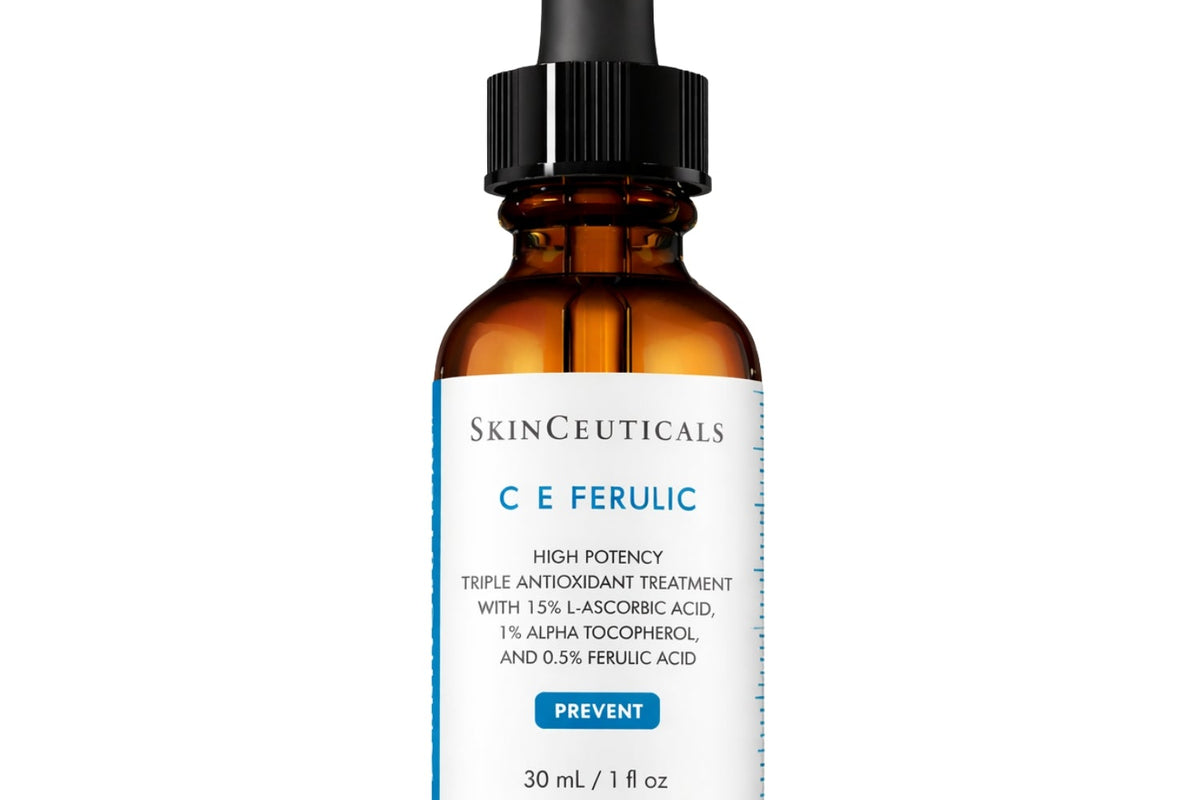
For antioxidant protection and brightness, a vitamin C serum used in the morning is one of the most evidence-led steps you can add to any routine. The SkinCeuticals C E Ferulic combines 15% pure vitamin C with vitamin E and ferulic acid, a combination that significantly extends the antioxidant activity of the formula and provides meaningful defence against the environmental damage that causes dullness and accelerated ageing over time.
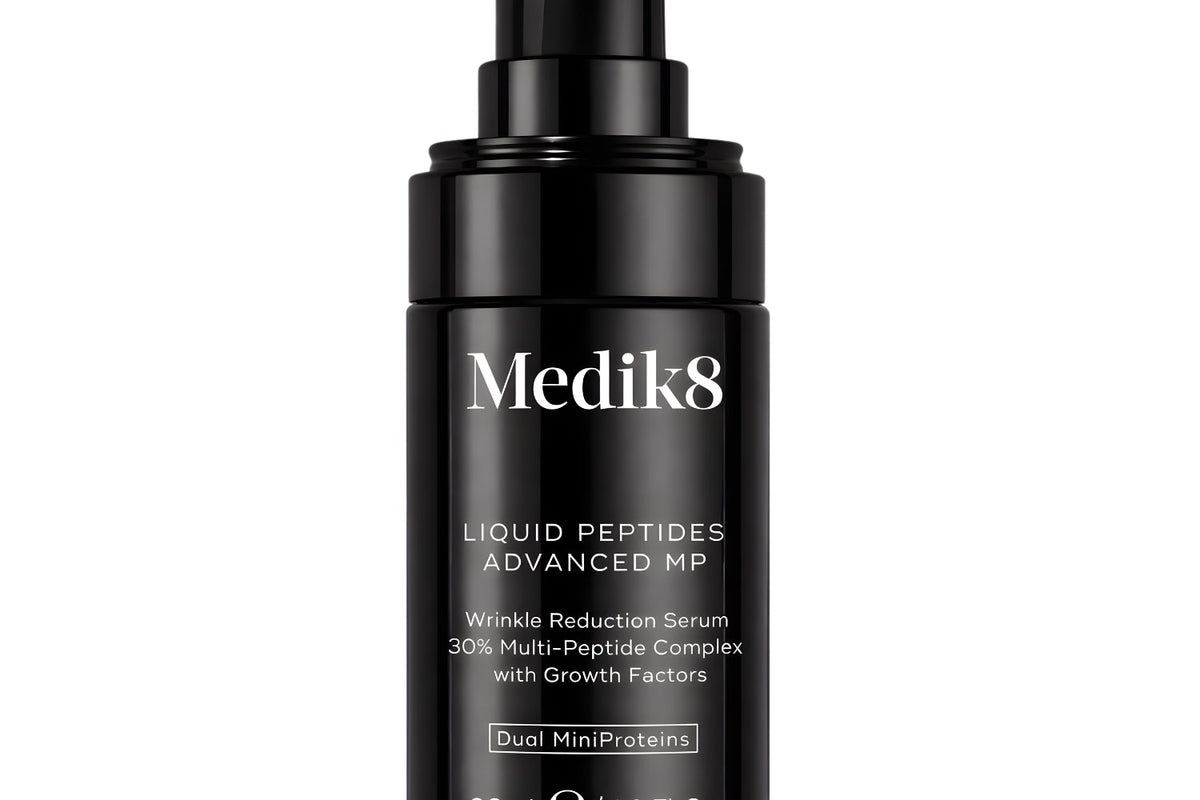
For visible signs of ageing, peptide serums offer a targeted approach without the irritation associated with more aggressive actives. Peptides are short chains of amino acids that signal to the skin to produce collagen and support structural repair. The Medik8 Liquid Peptides Advanced MP is a well-formulated option for those focused on firmness and expression lines, while the SkinCeuticals H.A. Intensifier Multi-Glycan works specifically to boost the skin's own hyaluronic acid production for a visible volumising effect.
Simply put: a serum delivers concentrated active ingredients to address a specific concern. Think of it as the part of your routine that actually changes your skin over time, rather than maintaining it.
Who needs a mist
Anyone with skin that loses hydration throughout the day, feels tight in low humidity environments, wants a mid-routine hydration layer or simply needs a moment of refresh during or after sun exposure.
Mists are also particularly useful in Irish weather. The combination of central heating indoors and unpredictable outdoor conditions creates real daily stress for the skin barrier. A good mist replenishes that lost hydration without disrupting makeup or requiring you to redo your entire routine.
The SkinCeuticals Phyto Corrective Essence Mist brings more than basic hydration. It contains botanical extracts with a calming, brightening effect and works well for reactive or post-treatment skin. For a K-beauty approach to the category, the Haruharu Wonder Black Rice Probiotics Barrier NAD+ Serum Mist is an excellent option. Fermented black rice and NAD+, a coenzyme that supports cellular energy and skin repair, work together to brighten and strengthen the barrier in a single lightweight mist.
For oily or acne-prone skin, the Dermalogica Clear Start Micro-Pore Mist is a more targeted choice. Niacinamide reduces the appearance of pores, witch hazel and green tea extracts provide a pore-tightening effect and wild rose hip extract controls oil from the first use.
The layering question everyone gets wrong
Mists and serums both follow cleansing and precede moisturiser. Within that, the general rule is thinnest to thickest, but there is nuance here depending on the type of mist you are using.
A hydrating mist applied before serum application creates a damp base that can improve absorption of water-loving actives like hyaluronic acid. This is a common K-beauty technique and the science supports it. Hyaluronic acid works by drawing moisture into the skin, and applying it to already-damp skin gives it more to work with.
Mists can also be used as a final hydration layer over everything else, including makeup. In this case, choose a formula with a fine, even spray to avoid disrupting what is beneath it.
Common mistakes worth knowing about
Skipping serums entirely and expecting moisturiser to do everything. Moisturisers are not formulated to correct. They are formulated to seal in what is already there. If the serums are not doing anything, there is less for the moisturiser to protect.
Using too much product. With serums especially, more is not better. A few drops is the correct amount. Applying more does not improve efficacy and can compromise the skin barrier when overloading with actives.
Choosing a mist for the packaging. It is worth reading the ingredients. A mist that is primarily water and alcohol provides a momentary refresh and nothing more. A formula built around ceramides, hyaluronic acid or fermented extracts is actually doing something.
Layering incompatible actives. Most serums and mists work well together but some combinations need spacing. Vitamin C is best used in the morning. Retinol belongs at night. Acids and retinol used together on the same evening is generally too much for most skin types.
A simple starting point
If you are building from scratch, start with one serum that addresses your primary concern and a mist you will actually reach for. Complexity can come later. The fundamentals are: cleanse, mist or serum, moisturiser and SPF in the morning. Everything else builds from there.
The full edit is available now at SkinShop.ie, with options across every concern and skin type. You can also browse the full serums collection to find the right formula for your routine.
FAQs
Do I need both a mist and a serum in my routine?
Not necessarily both at once, but they serve different purposes. A serum targets a specific skin concern with concentrated ingredients. A mist provides hydration and refresh that a serum is not designed to deliver. Many people find both useful depending on their skin and lifestyle, but neither is essential at every stage.
When should I apply a mist in my routine?
It depends on the formula. A hydrating mist applied to cleansed skin before your serum can improve absorption of water-binding actives. A serum mist can replace your first serum step entirely. A setting mist goes on last, over everything including makeup. Always check the product directions for the intended use.
Can I use a serum and a mist from different brands together?
Yes, in most cases. Focus on the actives rather than the brands. If both products contain high concentrations of the same active, you may be overloading. If they target different concerns or skin layers, they generally work well together.
How long does it take to see results from a serum?
It depends on the active. Hydration serums show a visible difference within a few days. Brightening and pigmentation serums typically show meaningful results after four to six weeks of consistent use. Peptide and firming serums often take eight to twelve weeks. Consistent daily use matters more than anything else.
Are serum mists as effective as traditional serums?
The best serum mists contain comparable active ingredient concentrations to traditional serums. The spray format can also improve even coverage across the face. They are not a compromise. They are a different delivery method and for some skin types and routines they are actually the better choice.
Can oily skin use a mist without making things worse?
Yes, provided the formula is right. Avoid mists with heavy oils or occlusives if you are oily. Look for formulas built around niacinamide, lightweight humectants or pore-refining ingredients like the Dermalogica Clear Start Micro-Pore Mist, which is specifically designed to control shine rather than add to it.

