

There is a specific kind of tired that has nothing to do with sleep. You look fine. You have slept eight hours, drunk the water, done everything right and still the mirror hands back something flat, something a shade duller than the version of your skin you know is in there. This is the moment most people start typing "brightening serum" into a search bar at midnight, half convinced they are chasing something cosmetic when really they are chasing something closer to vitality.
Here is the part nobody puts in the marketing. A brightening serum cannot manufacture the glow that comes from sleep, water and a good week. What it can do, quietly and over time, is work with skin's own machinery, its renewal cycle, its pigment regulation, so that tone evens out and texture starts catching the light properly again. Less magic wand, more long game. Which, if you have spent any time around skincare that actually works, tends to be exactly the kind of promise worth trusting.
Why skin loses its glow before you even reach for a brightening serum
Dullness rarely arrives with an explanation. It just settles in and by the time you notice it, several things have usually been building underneath. Sun exposure is the main culprit behind uneven pigmentation, coaxing melanin to cluster unevenly across the face until you are left with patches darker than everything around them. Old blemishes leave their own quiet trace, a shadow long after the spot itself has gone. Add slower cell turnover, the kind that arrives gradually with age and dead skin cells linger on the surface longer than they should, flattening the whole complexion. Dehydrated skin makes it worse again, since thirsty skin simply cannot bounce light back the way well hydrated skin does.
Simply put: dullness is largely sluggish cell turnover and pigmentation is melanin gathering unevenly in response to triggers like sun or inflammation. This is precisely the terrain a good brightening serum is built to work on.

What a brightening serum is actually doing under the surface
Two ingredients tend to do the real work here, and both have earned their reputation the hard way, through decades of research rather than a single viral moment. Vitamin C is an antioxidant first, defending skin against everyday environmental stress, but it also interrupts the pathway responsible for excess pigment production. Niacinamide, a form of vitamin B3, works differently, supporting the skin barrier while slowing the transfer of pigment up to the surface. Tranexamic acid, increasingly paired with niacinamide in more targeted formulas, goes after stubborn discolouration by calming the inflammatory response that keeps triggering new pigment in the first place.
What matters more than any of these ingredients individually is whether you can actually stick with them. A gentle ten percent vitamin C brightening serum used every single day will always outperform a punishing twenty percent version used twice before it is abandoned in a drawer. Visible change in tone takes weeks, not days, which is longer than most people want to hear and exactly why so many good routines get given up on too soon.
The brightening serum myths worth retiring
Somewhere along the way, brightening became confused with lightening and the two are not the same thing. A brightening serum works on excess or irregular pigment. It does nothing to your natural undertone and any product implying otherwise deserves a raised eyebrow. Then there is the layering trap, vitamin C stacked on strong exfoliating acids in the name of doing more, which tends to end in irritation rather than results. And the one mistake that undoes everything else, skipping sunscreen while using a brightening serum. New pigment is largely sun triggered, so one unprotected afternoon can quietly reverse a month of progress.
Building an actual routine around your brightening serum
Timing and layering matter almost as much as the formula itself. A brightening serum goes onto clean, slightly damp skin, straight after cleansing and before moisturiser. Vitamin C earns its place in the morning, partly for the antioxidant protection and partly because it works beautifully underneath a mineral sunscreen. Niacinamide and tranexamic acid formulas are more forgiving, slotting into morning or evening depending on the rest of the routine.
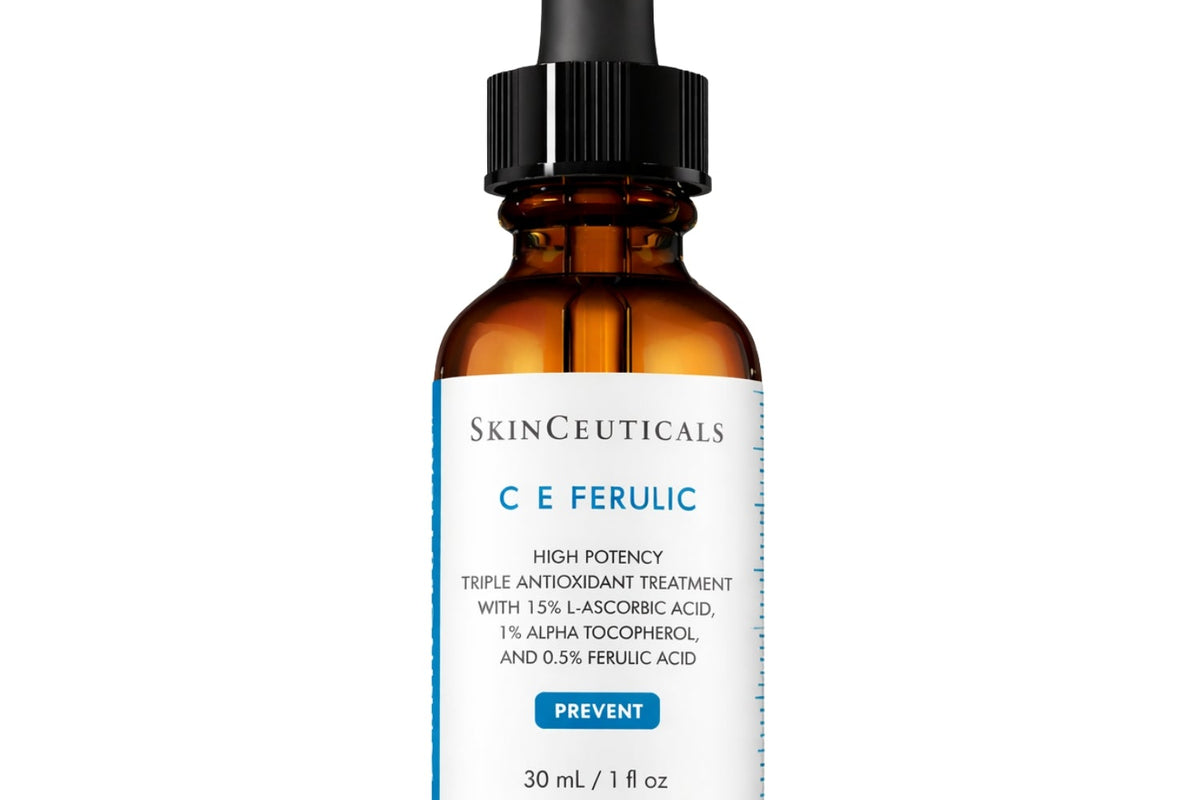
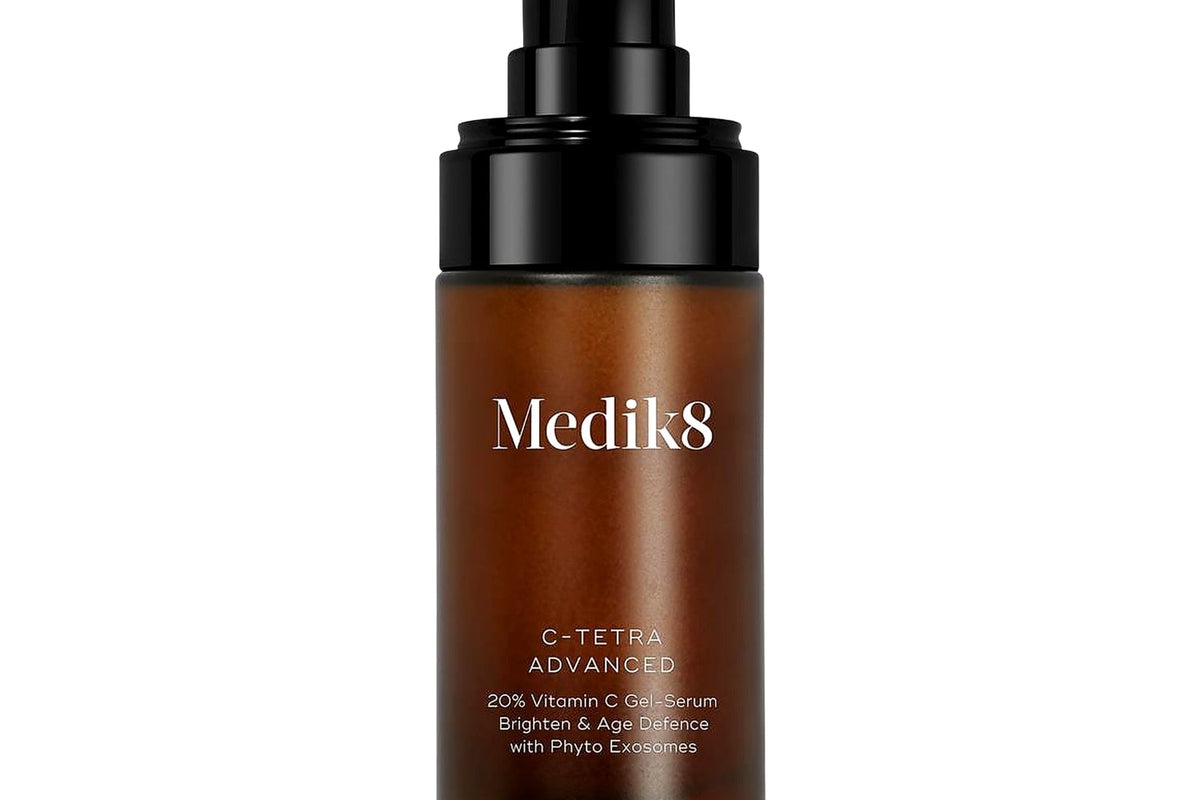
For a formula with genuine clinical pedigree, SkinCeuticals C E Ferulic remains something of a reference point, combining pure vitamin C with vitamin E and ferulic acid for both environmental defence and visible brightening. Medik8 Super C Ferulic offers a comparable high strength vitamin C experience at a gentler price point, with results on dark spots that tend to show within days rather than weeks.
For pigmentation that needs a more targeted approach, SkinCeuticals Discoloration Defense brings niacinamide, tranexamic acid and kojic acid together specifically for stubborn dark spots and lingering post acne marks. Anua Niacinamide 10% + TXA 4% Dark Spot Correcting Serum takes a similar formulation approach in a lighter, fast absorbing K-Beauty base that tends to suit even reactive skin.
If you are newer to actives, or simply want something calmer, SKIN1004 Madagascar Centella Tone Brightening Capsule Jumbo Ampoule pairs brightening ingredients with centella asiatica so it soothes as it works, making it a forgiving entry point. AXIS-Y Dark Spot Correcting Glow Serum is another accessible option, fading the look of dark spots while staying firmly on the hydrating side rather than anything stripping.

Finding the right brightening serum for your skin
There is no brightening serum that works overnight and anyone promising one is not being straight with you. What you get instead, with the right formula and enough patience, is something better, a slow and genuine improvement in tone and clarity that actually holds. The formula matters, but consistency and daily sun protection matter just as much. The full edit of brightening serums, along with everything else mentioned here, is at SkinShop.ie, chosen with exactly this kind of long term skin health in mind.
Can I use a vitamin C serum and a niacinamide brightening serum together?
Yes. The two work well side by side and are often used within the same routine, typically vitamin C in the morning with niacinamide layered underneath or saved for the evening.
How long does it take to see results from a brightening serum?
Most people notice a shift in tone and clarity after four to six weeks of consistent use, though deeper pigmentation can take longer still.
Are brightening serums suitable for sensitive skin?
Many are, particularly niacinamide based formulas, though any new active is worth introducing gradually and patch testing first.
Do I still need sunscreen if I use a brightening serum?
Yes, more than almost anything else in the routine. Unprotected sun exposure triggers fresh pigment and can undo weeks of a brightening serum's progress in one afternoon.
Can a brightening serum replace my moisturiser?
No. A serum delivers active ingredients and should always be followed by a moisturiser to support the skin barrier and lock in hydration.
What is the difference between brightening and whitening?
Brightening evens out dullness and irregular pigment. Whitening implies altering skin's natural colour altogether, which is not what these formulas are designed to do.


