

GLP-1 is changing bodies quickly. Skin, not so much.
As treatments like semaglutide and tirzepatide become more widely used, the conversation is starting to shift. Not just around weight loss, but around what happens after.
Because while the number on the scale moves fast, the skin does not always follow at the same pace.
The result is subtle at first. Then suddenly not.
Skin that feels looser, softer, slightly less defined. Not worse, just different. And often, not something your usual routine knows how to handle.
What is actually happening to the skin
This is not traditional ageing, even though it can look similar.
Skin is held in place by a combination of collagen, elastin and underlying fat. When weight loss happens quickly, particularly in the face, that support system shifts. Volume reduces, tension changes and the skin is left adjusting in real time.
This tends to show up as:
Loss of firmness
Reduced elasticity
Changes in facial contours
Fine lines becoming more visible
It is less about surface and more about structure. That is where most routines fall short.
Why it feels like your skincare has stopped working
Most skincare is built around maintenance. Hydration, brightness, texture.
GLP-1 changes the context completely.
When the skin is adapting to a new shape, hydration alone is not enough. Collagen production may already be slowing, especially from your late twenties onwards, and rapid changes in volume do not give the skin much time to respond.
Add in any existing dehydration or barrier weakness, and everything becomes more noticeable.
This is usually the point where people start switching products, layering more, or overcorrecting. It rarely works.

What actually helps
This is where the approach needs to become more intentional.
You are not trying to replace what has been lost. You are supporting the skin so it can adapt, maintain and rebuild where possible.
That means focusing on:
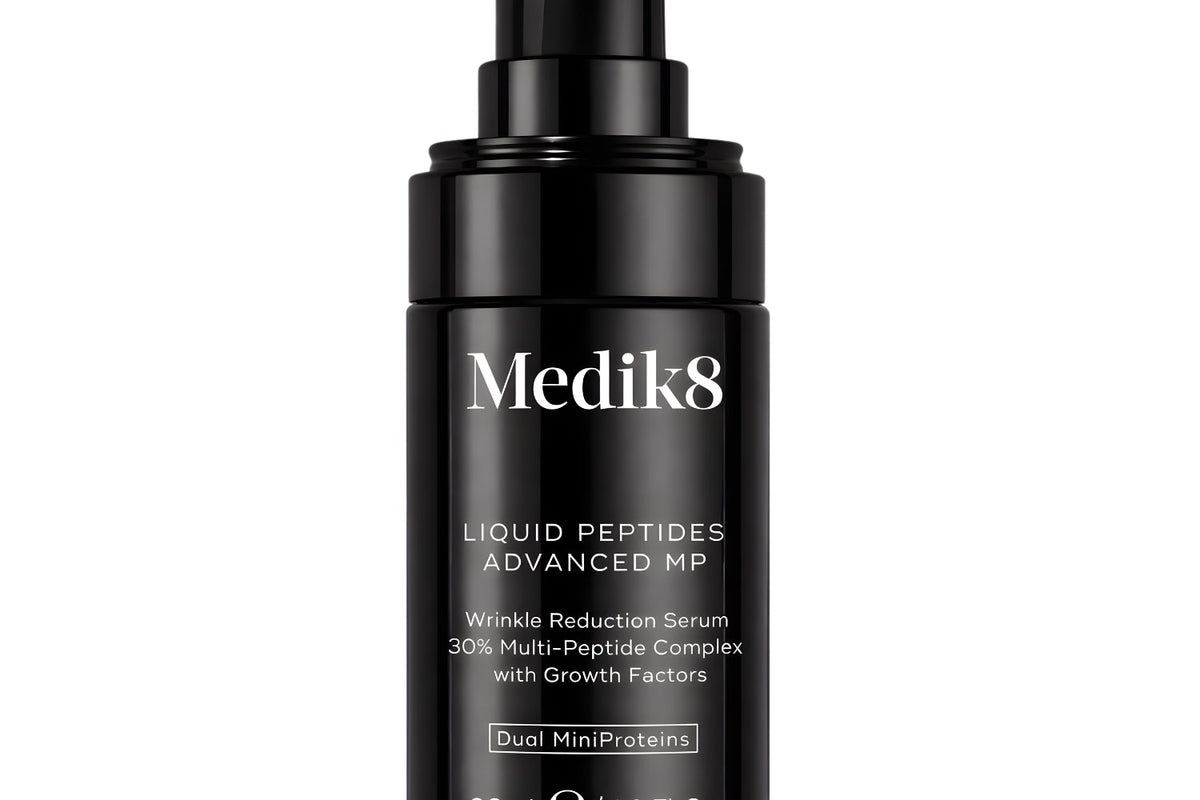
Collagen support through peptides, retinoids and advanced actives
Deep, consistent hydration to improve elasticity
Barrier repair to keep the skin functioning properly under stress
Consistency over quick, reactive changes
This is also where newer, more targeted formulas are starting to sit. Products designed specifically for post-weight loss skin are less about glow and more about resilience, structure and rebound.
The mistakes that make it worse
The instinct is often to do more. More exfoliation, more products, more actives.
In reality, this is where things tend to unravel.
Over exfoliating weakens the barrier, which makes skin look thinner and less supported. Relying only on lightweight hydration can leave the skin feeling temporarily better, but not actually stronger. Constantly changing products interrupts any real progress.
And perhaps the biggest misconception is treating this like standard ageing. It is not the same process, and it does not respond the same way.
What a better routine looks like
The goal here is not complexity. It is balance.
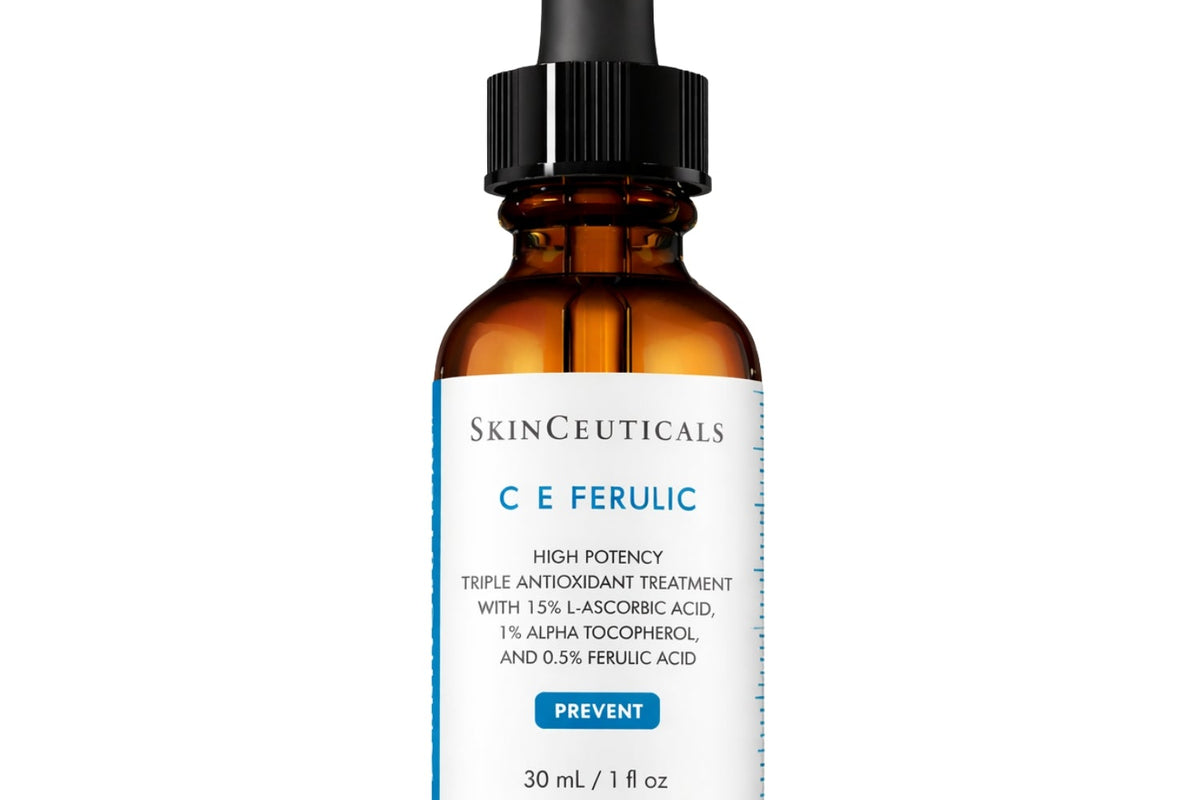
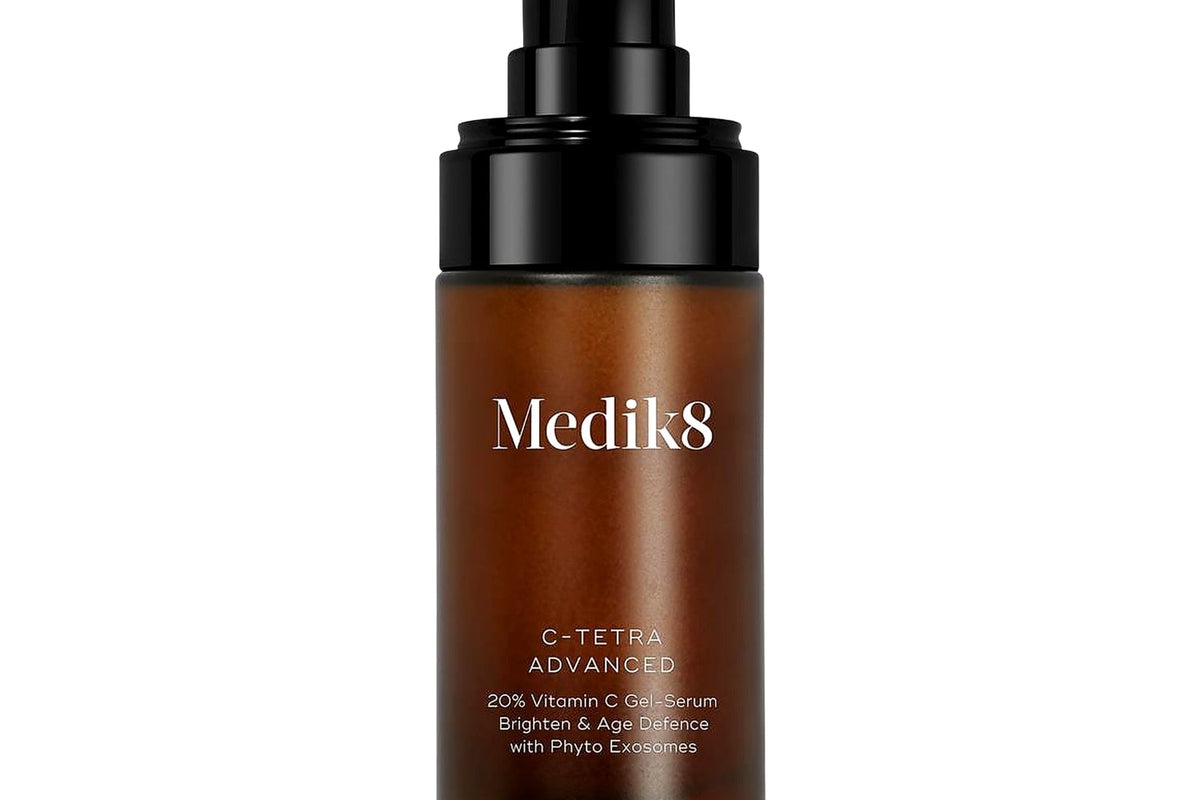
In the morning, think protection and support. A gentle cleanse, an antioxidant to help the skin deal with daily stress, followed by hydration and a moisturiser that reinforces the barrier. SPF is non-negotiable, particularly when collagen support is a priority.
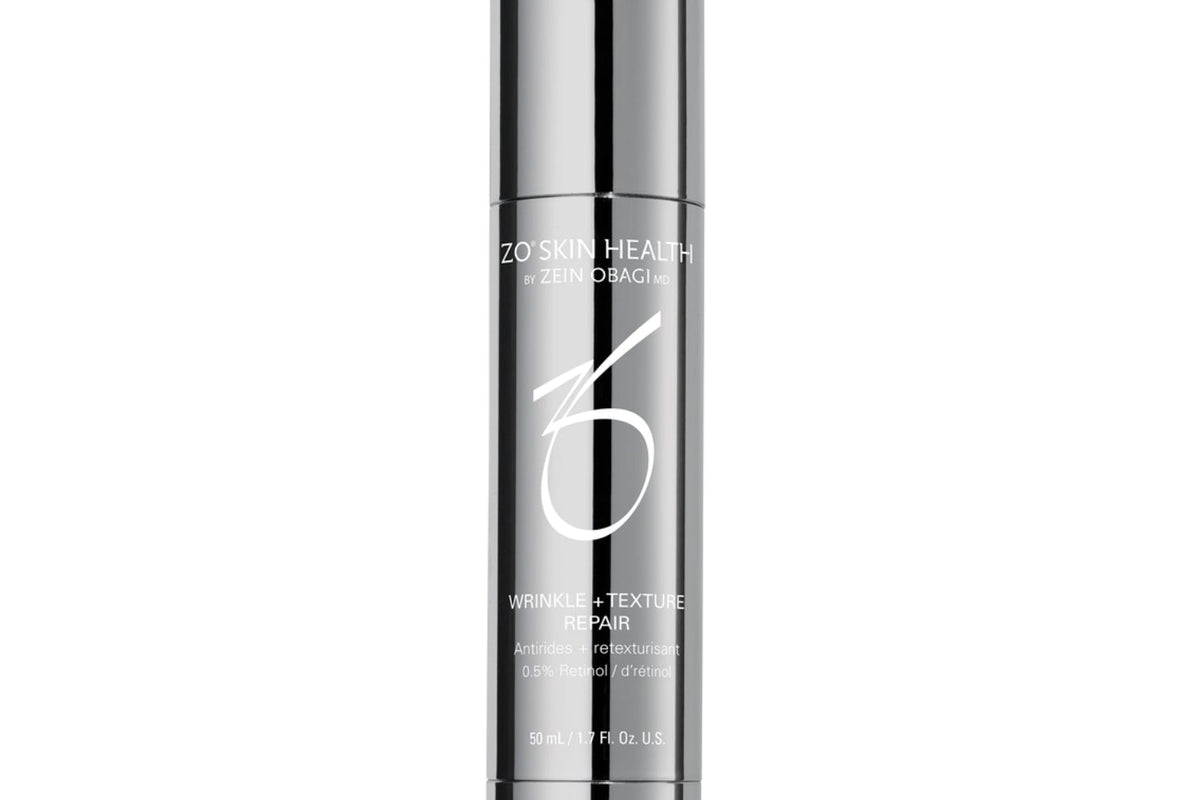
Evening is where you build. A simple cleanse, then a targeted treatment. This is where retinoids or peptide-led formulas come in, depending on what your skin tolerates. Follow with hydration and a nourishing moisturiser to support overnight repair.
For more advanced support, this is where products like VOL.U.LIFT™ GLP-1 4D Skin Rebound Complex come into play. These are designed specifically around how the skin behaves during rapid weight loss, focusing on maintaining structure and helping the skin rebound rather than just temporarily plumping the surface.

Final takeaway
GLP-1 is reshaping more than the body. It is quietly changing how skin behaves, how it responds and what it needs.
The shift is not dramatic, but it is noticeable. And it is not something a standard routine is designed for.
Once your skincare reflects that, the difference tends to follow.
This is the shift. Skincare is catching up. Watch this space. VOL.U.LIFT™ GLP-1 4D Skin Rebound Complex is coming to SkinShop.ie very soon.
What is GLP-1 skin?
It refers to the visible changes in skin that can happen during rapid weight loss, including reduced firmness, elasticity and shifts in facial contours.
Can skincare fix GLP-1 skin?
Skincare cannot replace lost volume, but it can support collagen, hydration and overall skin quality, which helps the skin look and behave better.
How quickly do these skin changes happen?
It varies, but many people notice changes within weeks of significant weight loss, particularly in the face.
Are there products designed specifically for this?
Yes, a newer category is emerging focused on skin rebound and structural support during and after weight loss.
Should I change my routine when starting GLP-1?
It is worth adjusting early. Supporting hydration, barrier function and collagen from the start can help the skin adapt more effectively.


