

SkinShop.ie is here to help you unlock the brightening power of vitamin C serums. This guide covers everything you need to know about adding this powerhouse antioxidant serum into your skincare routine.
From how it works to which formulas to choose, consider this your go-to guide for achieving brighter, smoother, more even-looking skin.
What is Vitamin C?
Vitamin C, also known as ascorbic acid, is one of the most well-researched skincare ingredients.
When applied topically, it acts as a powerful antioxidant, helping to defend the skin against environmental damage caused by pollution and UV rays. It also supports collagen production, helping to improve skin tone, refine skin texture and reduce the appearance of fine lines.
Think of it as your daily defence against dullness, uneven tone and early signs of ageing.
What are the benefits of Vitamin C?
Vitamin C delivers multiple benefits across a wide range of skin concerns:
Protects Against Environmental Damage
Vitamin C helps neutralise free radicals caused by pollution and UV rays, reducing long-term damage to the skin.
Brightens and Evens Skin Tone
It helps improve uneven skin tone and reduce the appearance of pigmentation, revealing a more radiant complexion.
Supports Collagen and Reduces Fine Lines
By supporting collagen production, vitamin C helps smooth fine lines and improve skin firmness over time.
Improves Skin Texture
With consistent use, it helps refine skin texture, making the skin appear smoother and more even.
Supports Dry Skin
Many vitamin C formulations are paired with hydrating ingredients, making them suitable for dry skin when used correctly.
Who Can Benefit from Vitamin C?
Vitamin C is suitable for most skin types and concerns, including dullness, uneven skin tone and fine lines.
For those with dry skin or sensitivity, including conditions such as rosacea or dermatitis, a more gradual approach is recommended:
- Patch test before use
- Start with 2–3 applications per week
- Choose gentler formulas or derivatives
- Pair with hydrating ingredients to support the skin barrier
With the right formulation, even sensitive skin can benefit from vitamin C.
Understanding Vitamin C: Forms and Concentration
Vitamin C comes in different forms, each with varying strength and stability.
L-Ascorbic Acid (Pure Vitamin C)
This is the most potent and researched form. It is highly effective for improving skin tone, targeting fine lines and protecting against environmental damage. Concentrations between 10–20% are typically recommended.
Vitamin C Derivatives
These offer a gentler alternative, making them suitable for sensitive or reactive skin types.
Vitamin C with Vitamin E
Combining vitamin C with Vitamin E enhances antioxidant protection and helps improve stability. This combination offers stronger defence against UV rays and environmental stress.
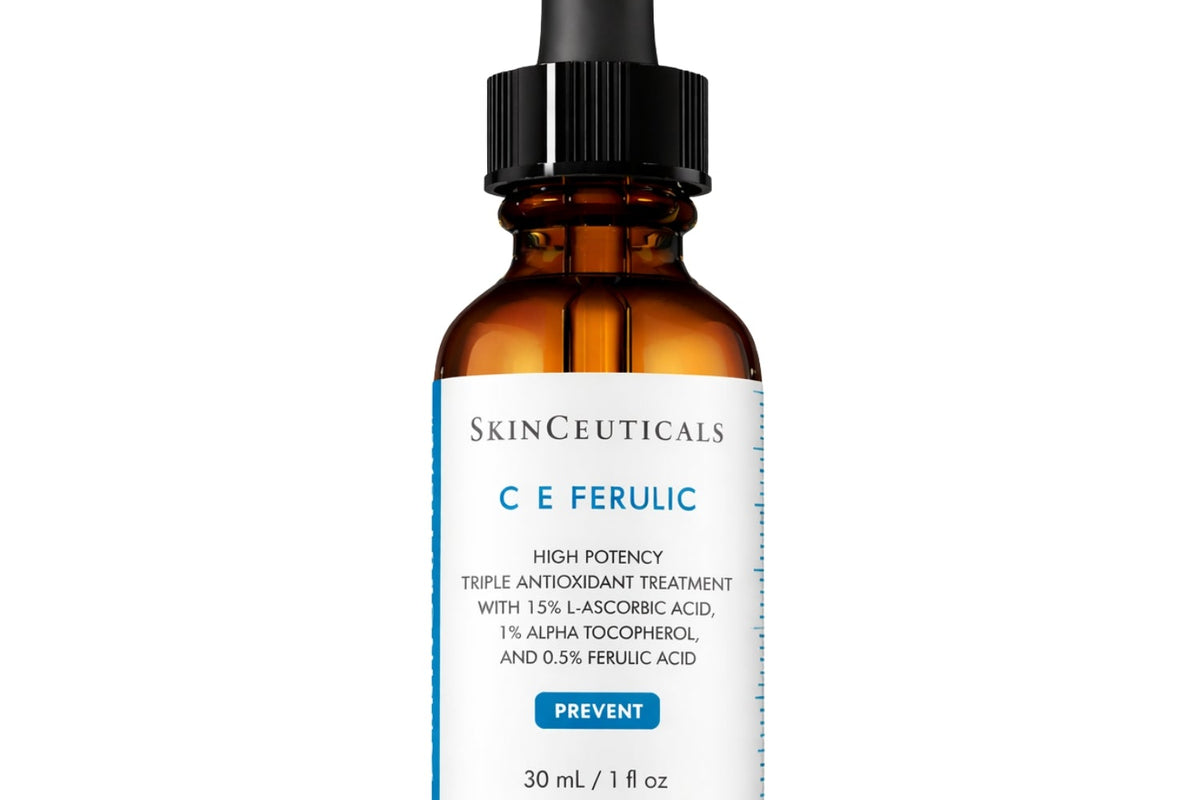
A well-known example is SkinCeuticals C E Ferulic, which combines vitamin C, Vitamin E and ferulic acid to deliver advanced antioxidant protection while improving skin tone and reducing fine lines.

I've read that vitamin C is unstable. What does that mean?
Vitamin C is known to be unstable, meaning it can break down when exposed to light, air and heat.
To maintain its effectiveness:
- Store it in a cool, dark place
- Choose opaque or dark packaging
- Keep the bottle tightly closed after use
A well-formulated serum will maintain its potency for longer.
When do I use vitamin C?
Vitamin C works best in your morning skincare routine, where it helps protect the skin throughout the day.
Morning Routine:
- Cleanse
- Apply your antioxidant serum
- Follow with moisturiser
- Finish with sunscreen and SPF
Sunscreen is essential, as vitamin C enhances protection but does not replace SPF.
Which ingredients work well with Vitamin C?
Vitamin C works well with several complementary skincare ingredients.
Hyaluronic Acid
Helps hydrate the skin and is particularly beneficial for dry skin.
Niacinamide
Supports barrier function, improves skin tone and helps refine skin texture.
Ceramides
Strengthen the skin barrier and reduce the risk of irritation.
Ingredients to use with caution
AHAs and BHAs
Using exfoliating acids alongside vitamin C can increase sensitivity, so it’s best to alternate usage.
Retinol
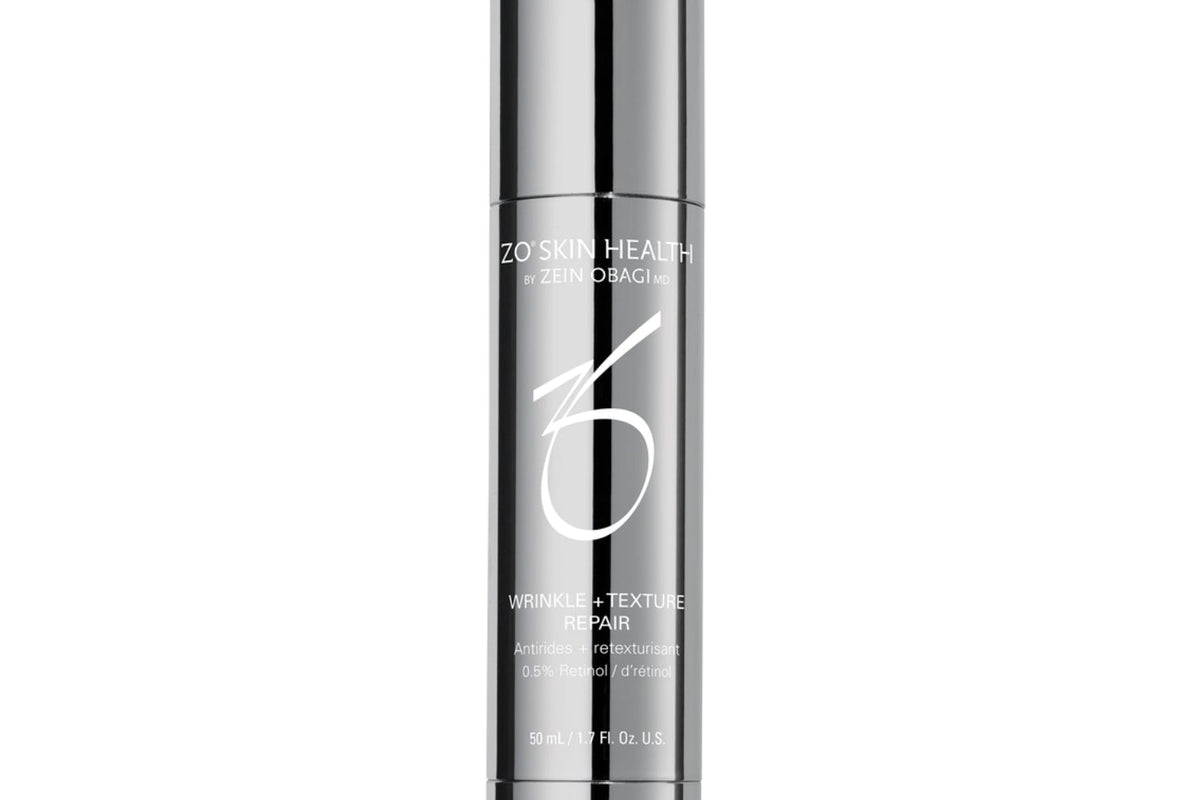
Both are active ingredients. To avoid irritation, use them at different times or on alternate days.
Do I need to introduce it into my skincare routine slowly?
Vitamin C is generally well tolerated, but introducing it gradually can help minimise irritation.
Start by using it a few times per week, then increase frequency as your skin adjusts.
A slight tingling sensation can occur due to its low pH, which is normal for many formulations.
The best Vitamin C Serums to try now!
Choosing the right formula is key to seeing results.
SkinCeuticals C E Ferulic is a clinically proven antioxidant serum designed to improve skin tone, reduce fine lines and protect against environmental damage.
Obagi Professional-C Serum is another high-performance option, available in different strengths to suit various skin types and concerns. It supports brighter skin, improved texture and overall skin health.
Find your perfect Vitamin C match at SkinShop.ie with a full range of expert-led formulas for every skin type and concern.
FAQs
When should I start using vitamin C?
You can start using vitamin C in your early 20s as part of a preventative skincare routine. Because it helps protect against environmental damage and supports collagen production, it’s beneficial before visible signs of ageing appear. However, it’s equally effective when introduced later to target concerns such as uneven skin tone, dullness and fine lines. Consistency matters more than when you start.
Does vitamin C help with wrinkles?
Yes, vitamin C can help improve the appearance of wrinkles. It supports collagen production, which is essential for maintaining firm, smooth skin. Over time, consistent use can help soften fine lines, improve skin texture and reduce visible signs of ageing. While it won’t replace treatments like retinoids, it plays an important role in a well-rounded anti-ageing routine.
What should you not mix with vitamin C serum?
Vitamin C can be used with many ingredients, but some combinations should be approached carefully. Strong exfoliating acids such as AHAs and BHAs can increase sensitivity if applied at the same time. Retinoids may also cause irritation when layered with vitamin C, particularly for sensitive skin. To avoid this, it’s best to use vitamin C in the morning and stronger actives like retinol in the evening.
Is vitamin C serum better than hyaluronic acid?
Vitamin C and hyaluronic acid serve different purposes, so one is not better than the other. Vitamin C is an antioxidant that helps protect against environmental damage, improve skin tone and support collagen. Hyaluronic acid focuses on hydration, helping the skin retain moisture and appear plumper. For best results, they work well together as part of the same skincare routine.


